Next-Generation Ceramics: Unlocking Superior Properties for Industry

PRODUCT PARAMETERS
Description
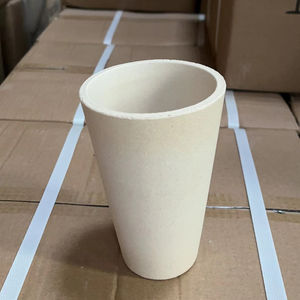
Overview of Refractory Silicon Carbide Ceramic Sisic Rbsic Crucible Sagger
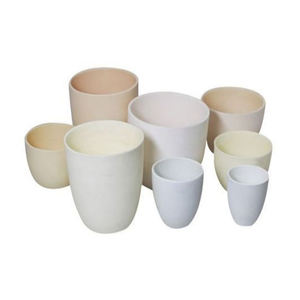
A Ceramic Crucible is a vessel designed to withstand extreme temperatures for melting, calcining, or reacting chemical substances. Advanced ceramic crucibles are engineered from high-purity materials like Alumina, Zirconia, Boron Nitride, or Magnesia, chosen for their ability to contain specific molten materials without contamination or failure.
Features of Refractory Silicon Carbide Ceramic Sisic Rbsic Crucible Sagger
- Extreme Temperature Resistance: Can operate continuously from 1000°C to over 1800°C, depending on the material.
- High Purity & Chemical Inertness: Minimizes reaction with and contamination of the melt (metal, glass, salt, ash).
- Excellent Thermal Shock Resistance: (Grade-dependent) Can withstand rapid heating and cooling cycles.
- Variety of Compositions & Designs: Tailored for specific applications (e.g., BN for reactive metals, ZrO₂ for precious metals, MgO for basic slags).
- Durable & Reusable: High-quality crucibles can survive multiple cycles, providing long service life.
Specifications of Refractory Silicon Carbide Ceramic Sisic Rbsic Crucible Sagger
Refractory Silicon Carbide Ceramic SiSiC/RBSC Crucible & Sagger– Trick Specs
Product Structure
These crucibles and saggers are made from high-purity silicon carbide (SiC). Two major kinds are available: Reaction-Bonded Silicon Carbide (RBSC) and Sintered Siliconized Silicon Carbide (SiSiC). Both offer exceptional thermal stability and strong resistance to chemical rust.
Temperature Resistance
They can work constantly at temperature levels approximately 1,600 ° C(2,912 ° F). Short-term exposure is risk-free even beyond this restriction. The material keeps its form and stamina under severe warm without softening or warping.
Thermal Shock Efficiency
Silicon carbide has excellent thermal shock resistance. These products manage rapid heating and cooling cycles well. They do not crack easily when relocated between cold and hot atmospheres.
Mechanical Strength
The crucibles and saggers show high solidity and strong mechanical toughness. They withstand wear, abrasion, and impact throughout normal use. This makes them suitable for demanding industrial applications.
Chemical Security
They withstand assault from the majority of acids, antacid, and molten metals. This consists of light weight aluminum, zinc, and copper alloys. The surface remains undamaged also after long contact with hostile substances.
Density and Porosity
RBSC variations have a density of about 3.0– 3.1 g/cm five with low open porosity (
Applications of Refractory Silicon Carbide Ceramic Sisic Rbsic Crucible Sagger
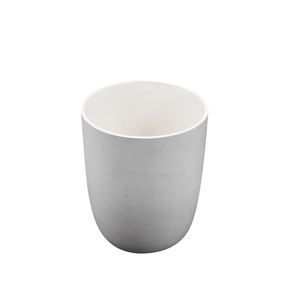
Applications of Refractory Silicon Carbide Ceramic (SiSiC/RBSC) Crucibles and Saggers
High-Temperature Industrial Processing
Refractory silicon carbide ceramics, including reaction-bonded silicon carbide (RBSC) and sintered silicon carbide (SiSiC), are commonly used in extreme warmth atmospheres. Their strong thermal shock resistance and high mechanical stamina make them ideal for crucibles and saggers popular industrial processes.
These parts hold or support materials throughout high-temperature treatments. They are frequently discovered in steel melting operations, particularly for non-ferrous steels like light weight aluminum, copper, and zinc. The product does not respond conveniently with molten metals, which aids keep item purity and prolongs service life.
Ceramics and Powder Sintering
In the manufacturing of technological porcelains and advanced powders, SiSiC and RBSC saggers offer reliable support throughout sintering. They withstand duplicated heating and cooling down cycles without splitting or buckling. This security guarantees constant outcomes batch after batch. Their low thermal growth additionally minimizes distortion of fragile parts put within.
Warm Treatment and Annealing
Heater fixtures made from silicon carbide porcelains execute well in annealing, brazing, and various other heat treatment applications. They provide superb dimensional stability at temperature levels over 1400 ° C. Their high thermal conductivity enables even heat circulation, lowering hot spots that might damage work surfaces.
Chemical and Corrosive Settings
Silicon carbide ceramics stand up to assault from several acids, alkalis, and molten salts. This makes them suitable for use in chemical processing devices or waste incineration systems where deterioration is a major concern. Crucibles built from this product can deal with hostile compounds without breaking down rapidly.
Makers select SiSiC and RBSC crucibles and saggers due to the fact that they last much longer, minimize downtime, and reduced substitute prices. Their efficiency in rough problems supports effective, constant production throughout several industries.

Company Profile
Synthetic-chemical focus on the research and development, production and sales of ceramic products, serving the electronics, ceramics, chemical and other industries. Since its establishment in 2015, the company has been committed to providing customers with the best products and services, and has become a leader in the industry through continuous technological innovation and strict quality management.
Our products includes but not limited to Aluminum Nitride, Aluminum Oxide, Boron Carbide, Boron Nitride, Ceramic Crucible, ect. If you are interested in any type of these, please feel free to contact us.

Payment Methods
T/T, Western Union, Paypal, Credit Card etc.
Shipment Methods
By air, by sea, by express, as customers request.
5 FAQs of Refractory Silicon Carbide Ceramic Sisic Rbsic Crucible Sagger
Frequently Asked Questions About SiC Crucibles and Saggers
What is a SiSiC or RBSiC crucible?
A SiSiC (Siliconized Silicon Carbide) or RBSiC (Reaction-Bonded Silicon Carbide) crucible is a high-performance ceramic container. It holds molten metal, glass, or other hot materials during industrial processes. These crucibles are made by reacting silicon with carbon in a porous SiC body. The result is a material that resists heat, wear, and corrosion better than many metals or standard ceramics.
Why choose SiSiC/RBSiC over other materials?
SiSiC and RBSiC offer excellent thermal shock resistance. They can handle rapid heating and cooling without cracking. They also stay strong at very high temperatures—often above 1,400°C. Their hardness reduces wear, and their chemical stability prevents reactions with most melts. This makes them last longer and perform more reliably than graphite or alumina in harsh conditions.
Can these saggers be reused?
Yes. SiSiC and RBSiC saggers are built for repeated use. Their dense structure resists erosion and contamination. As long as they are handled properly and not exposed to extreme mechanical stress, they can go through many firing cycles without losing shape or performance.
Are there size or shape limits?
Manufacturers can produce SiSiC/RBSiC crucibles and saggers in many standard sizes. Custom shapes are also possible, though complex designs may affect cost and lead time. Wall thickness and geometry must support structural integrity at high temperatures.
How do I clean or maintain these products?
After use, let the item cool slowly. Remove residue with soft brushes or compressed air. Avoid water quenching or aggressive chemicals. Regular inspection for cracks or surface damage helps ensure safe, long-term operation.
REQUEST A QUOTE
RELATED PRODUCTS
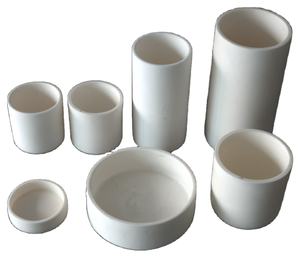
High Quality Glazed Porcelain Crucible for Laboratory Use
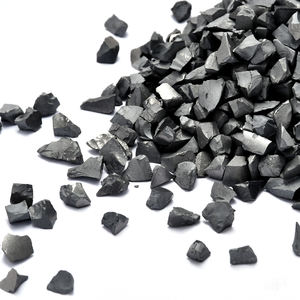
Best ing High Strength Portable 99 Alumina Ceramic Crucible
Whole Heat Resisting Ceramic Graphite Crucible For Induction Melting Gold
High Purity BN Boron Nitride Ceramic Crucible For Melting Metals
Ceramic Crucible for Melting Glass Raw Materials High Temperature