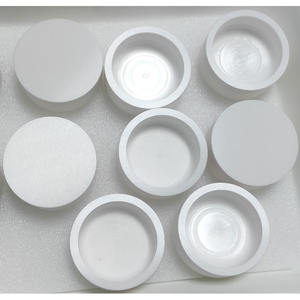
Next-Generation Ceramics: Unlocking Superior Properties for Industry

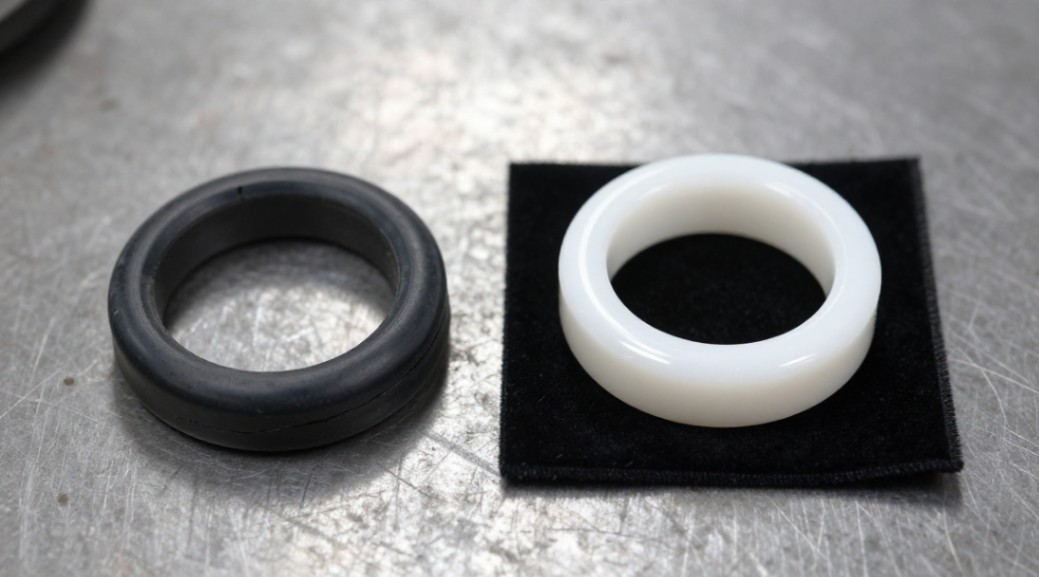
PRODUCT PARAMETERS
Description
Overview of Refractory Zirconia Oxide Ceramic Crucible with High Chemical Inertness
A Ceramic Crucible is a vessel designed to withstand extreme temperatures for melting, calcining, or reacting chemical substances. Advanced ceramic crucibles are engineered from high-purity materials like Alumina, Zirconia, Boron Nitride, or Magnesia, chosen for their ability to contain specific molten materials without contamination or failure.
Features of Refractory Zirconia Oxide Ceramic Crucible with High Chemical Inertness
- Extreme Temperature Resistance: Can operate continuously from 1000°C to over 1800°C, depending on the material.
- High Purity & Chemical Inertness: Minimizes reaction with and contamination of the melt (metal, glass, salt, ash).
- Excellent Thermal Shock Resistance: (Grade-dependent) Can withstand rapid heating and cooling cycles.
- Variety of Compositions & Designs: Tailored for specific applications (e.g., BN for reactive metals, ZrO₂ for precious metals, MgO for basic slags).
- Durable & Reusable: High-quality crucibles can survive multiple cycles, providing long service life.
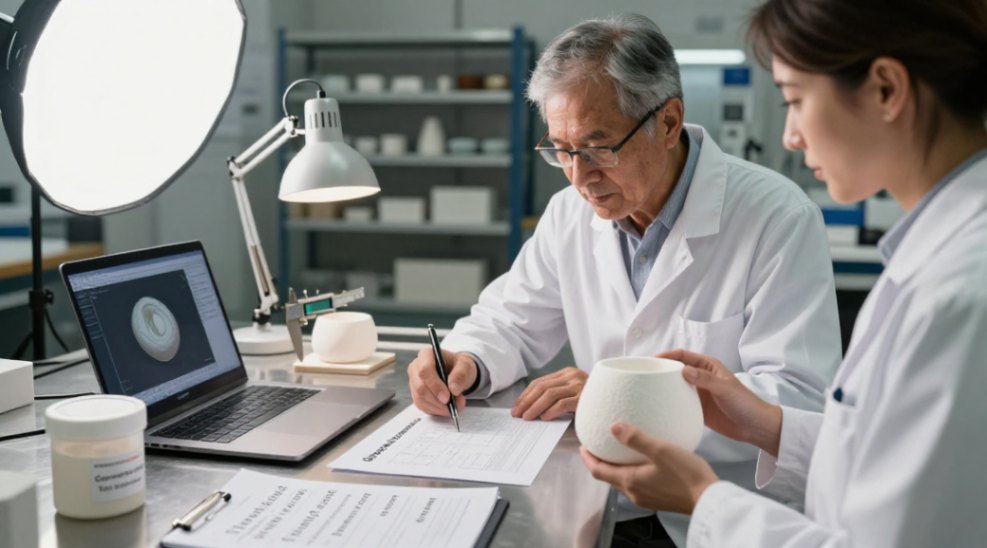
Specifications of Refractory Zirconia Oxide Ceramic Crucible with High Chemical Inertness
Refractory Zirconia Oxide Ceramic Crucible– Constructed for Requiring Settings
Remarkable Chemical Inertness
This crucible is made from high-purity zirconia oxide ceramic. It withstands assault from most acids, alkalis, and molten metals. Also at very high temperatures, it stays stable and does not respond with hostile chemicals. This makes it ideal for use in labs and industrial procedures where contamination need to be stayed clear of.
High-Temperature Performance
The material can deal with continuous use up to 2,200 ° C( 4,000 ° F). It preserves its shape and stamina without softening or breaking. Thermal shock resistance is excellent– sudden temperature adjustments do not trigger damages. You can heat or cool down the crucible swiftly without concern.
Specific Production Specifications
Each crucible is created using sophisticated pushing and sintering strategies. Wall surface density is consistent. The inner surface is smooth to avoid sample attachment. Criterion dimensions vary from 10 mL to 500 mL, with custom measurements offered on demand. Tolerances are tight, guaranteeing consistent performance throughout sets.
Resilience and Long Life Span
Zirconia oxide is exceptionally tough and wear-resistant. The crucible stands up to repeated home heating cycles and mechanical handling. It does not deteriorate in time like graphite or alumina options. Individuals report dramatically much longer life-spans, decreasing replacement costs and downtime.
Tidy and Dependable Outcomes
Due to the fact that the material does not leach ions or pollutants, your examples remain pure. There is no danger of cross-contamination in between runs. This reliability sustains precise analysis in applications such as steel spreading, ash screening, and high-temperature synthesis.
Trick Requirements:
– Product: > 99.5% ZrO ₂ (yttria-stabilized).
– Max Operating Temperature: 2,200 ° C.
– Thickness: ≥ 5.6 g/cm SIX.
– Thermal Conductivity: Low (optimal for warmth retention).
– Color: White to off-white.
– Surface Area End Up: Smooth, non-porous inside.
This crucible delivers unmatched stability where other porcelains stop working. It is a relied on selection for professionals who need reliable performance under extreme problems.
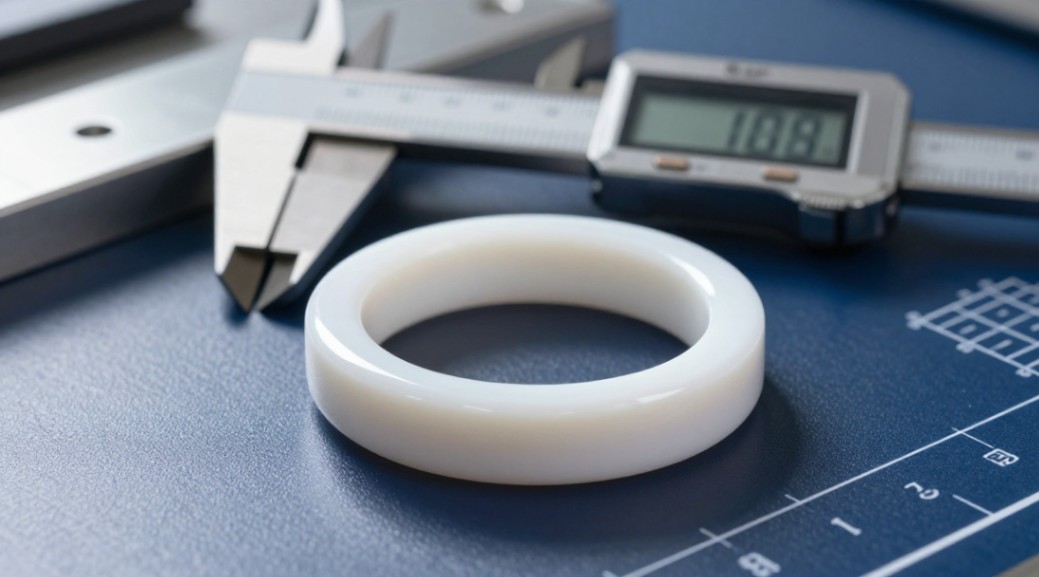
Applications of Refractory Zirconia Oxide Ceramic Crucible with High Chemical Inertness
Applications of Refractory Zirconia Oxide Porcelain Crucible with High Chemical Inertness
Reliable Efficiency in Harsh Environments
Zirconia oxide ceramic crucibles are developed to take care of severe problems. They resist heats without fracturing or deforming. This makes them perfect for melting and handling reactive steels like titanium, zirconium, and unusual planet components. The product remains steady even when revealed to hostile chemical atmospheres.
Crucial in Lab Research
In research study labs, pureness matters. These crucibles do not respond with a lot of acids, bases, or molten salts. Solid resistance to corrosion guarantees sample honesty during high-temperature experiments. Scientists rely upon them for precise results in analytical chemistry, products synthesis, and thermal analysis.
Key Tool in Industrial Production
Makers make use of zirconia crucibles in the production of specialty alloys and advanced porcelains. Their non-reactive nature avoids contamination throughout melting and spreading. This is vital when making high-performance components for aerospace, electronics, and medical gadgets. The crucibles likewise support constant set top quality in industrial-scale operations.
Suitable for Crystal Growth
Growing solitary crystals– such as sapphire or yttrium light weight aluminum garnet (YAG)– requires containers that will not present contaminations. Zirconia oxide crucibles satisfy this need. They preserve architectural strength at temperatures over 2000 ° C while staying chemically neutral. This aids generate clear, defect-free crystals utilized in lasers, optics, and semiconductors.
Long lasting and Resilient
Many thanks to their thick microstructure and reduced thermal conductivity, these crucibles sustain duplicated home heating and cooling down cycles. They reveal minimal wear over time, decreasing replacement frequency and downtime. Individuals take advantage of lower operating expense and trusted efficiency throughout several applications.

Company Profile
Synthetic-chemical focus on the research and development, production and sales of ceramic products, serving the electronics, ceramics, chemical and other industries. Since its establishment in 2015, the company has been committed to providing customers with the best products and services, and has become a leader in the industry through continuous technological innovation and strict quality management.
Our products includes but not limited to Aluminum Nitride, Aluminum Oxide, Boron Carbide, Boron Nitride, Ceramic Crucible, ect. If you are interested in any type of these, please feel free to contact us.

Payment Methods
T/T, Western Union, Paypal, Credit Card etc.
Shipment Methods
By air, by sea, by express, as customers request.
5 FAQs of Refractory Zirconia Oxide Ceramic Crucible with High Chemical Inertness
Frequently Asked Questions About Refractory Zirconia Oxide Ceramic Crucibles
What makes zirconia oxide crucibles chemically inert?
Zirconia oxide (ZrO₂) has a very stable crystal structure. It does not react easily with acids, bases, or molten metals. This stability keeps your samples pure during high-temperature processes.
Can these crucibles handle very high temperatures?
Yes. These crucibles work well up to 2,400°C (4,350°F). They keep their shape and strength even under extreme heat. This makes them ideal for melting, sintering, and ashing applications.
Are they safe for use with reactive materials?
Yes. Because of their high chemical inertness, zirconia crucibles do not contaminate reactive or corrosive substances. You can safely process rare earth metals, glass batches, and aggressive slags without worry.
How long do zirconia crucibles last?
Their lifespan depends on usage conditions. With proper handling and gradual heating, they can be reused many times. Avoid sudden temperature changes and mechanical shocks to extend service life.
Do they require special handling or preparation?
Always preheat the crucible slowly before full use. This removes moisture and reduces thermal stress. Use clean tongs and avoid contact with carbon or reducing atmospheres at very high temperatures, as this may affect performance. Store in a dry place when not in use.
REQUEST A QUOTE
RELATED PRODUCTS
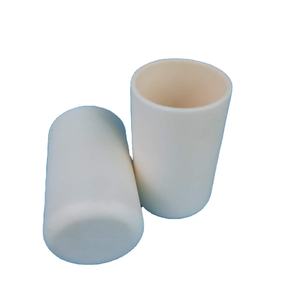
Custom High Temperature Refractory Alumina Ceramic Crucible for Kiln
High Temperature 95 Alumina Ceramic Crucible Sagger Tray For Glass
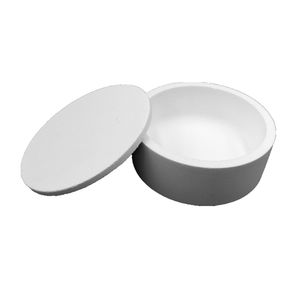
Silica Gold Melting Bowl Ceramic Refractory Crucible for Metal
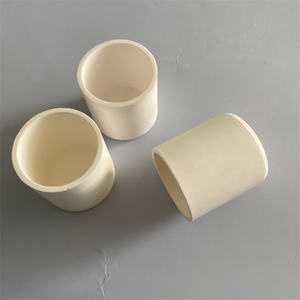
Graphite Gold Melting Crucible with Ceramic Coat for Induction
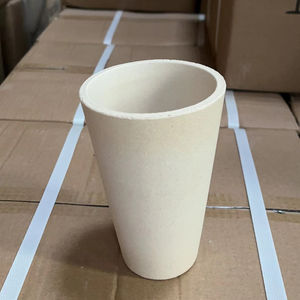
Alumina Ceramic Crucible Commercial Temperature Resistant Corundum