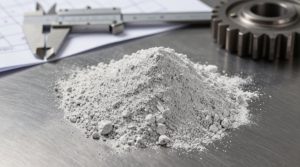
Next-Generation Ceramics: Unlocking Superior Properties for Industry

PRODUCT PARAMETERS
Description
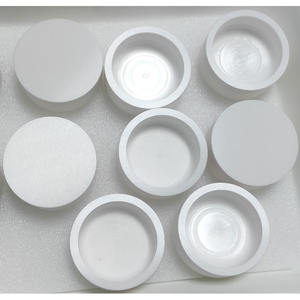
Overview of Volatile Dish Ceramic Alumina Boat Crucible with Lid for Lab
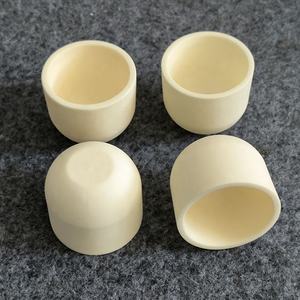
A Ceramic Crucible is a vessel designed to withstand extreme temperatures for melting, calcining, or reacting chemical substances. Advanced ceramic crucibles are engineered from high-purity materials like Alumina, Zirconia, Boron Nitride, or Magnesia, chosen for their ability to contain specific molten materials without contamination or failure.
Features of Volatile Dish Ceramic Alumina Boat Crucible with Lid for Lab
- Extreme Temperature Resistance: Can operate continuously from 1000°C to over 1800°C, depending on the material.
- High Purity & Chemical Inertness: Minimizes reaction with and contamination of the melt (metal, glass, salt, ash).
- Excellent Thermal Shock Resistance: (Grade-dependent) Can withstand rapid heating and cooling cycles.
- Variety of Compositions & Designs: Tailored for specific applications (e.g., BN for reactive metals, ZrO₂ for precious metals, MgO for basic slags).
- Durable & Reusable: High-quality crucibles can survive multiple cycles, providing long service life.
Specifications of Volatile Dish Ceramic Alumina Boat Crucible with Lid for Lab
Specs of Volatile Recipe Ceramic Alumina Watercraft Crucible with Cover for Laboratory
Product and Build Quality
This crucible is made from high-purity alumina ceramic. The material withstands heats and remains secure under severe warmth. It does not respond with most chemicals, so your examples stay pure during testing. The wall surfaces are thick enough to deal with thermal tension without fracturing.
Style and Dimensions
The crucible features a coordinating cover to minimize example loss from evaporation or splatter. Its boat shape makes it simple to load and discharge powders or small solids. Criterion sizes range from 30 mm to 100 mm in length. Midsts vary between 10 mm and 25 mm, relying on the version. Each item is exactly shaped for regular performance in laboratory setups.
Temperature level Resistance
It works safely approximately 1700 ° C in air. This makes it appropriate for ashing, calcining, and various other high-heat treatments. The lid fits snugly to preserve internal conditions while still permitting regulated airing vent when needed.
Cleanliness and Reusability
After usage, clean the crucible with distilled water or moderate acid, then completely dry it extensively. Avoid abrupt temperature level adjustments to avoid damage. With appropriate treatment, it can be recycled often times without shedding integrity.
Packaging and Handling
Each crucible ships in protective product packaging to avoid cracking throughout transit. Manage it with tidy tongs or handwear covers to keep surface areas devoid of oils or impurities. Store in a dry location away from wetness or dust.
Note: Constantly pre-fire new crucibles before first usage. This eliminates any recurring wetness and ensures exact results in sensitive experiments.
Applications of Volatile Dish Ceramic Alumina Boat Crucible with Lid for Lab
Applications of Volatile Meal Ceramic Alumina Watercraft Crucible with Cover for Laboratory
High-Temperature Example Handling
This alumina watercraft crucible is developed to hold examples during high-temperature lab job. It remains secure even when heated over 1600 ° C. Scientist utilize it for ashing, calcining, and firing materials without worrying about contamination or deformation.
Safe Containment of Volatile Substances
The tight-fitting lid assists catch vapors and stop loss of volatile parts. This attribute is important when working with materials that conveniently evaporate or break down under warm. The sealed layout keeps the example intact and shields laboratory tools from harsh fumes.
Purity and Chemical Resistance
Made from high-purity alumina ceramic, this crucible withstands strike from most acids, bases, and molten steels. It does not react with a lot of chemicals, so your outcomes remain precise. Its inert nature makes it suitable for trace analysis and sensitive experiments.
Uniform Heating and Thermal Shock Resistance
The material ensures also heat distribution across the sample. It additionally manages quick temperature changes well, reducing the threat of cracking throughout heating or cooling down cycles. This integrity supports consistent efficiency in repeated usage.
Functional Use Across Labs
You’ll discover this crucible in chemistry, materials science, geology, and ecological testing labs. It works well in muffle heaters, tube furnaces, and various other high-heat setups. Usual jobs consist of deposit screening, oxide prep work, and thermal decomposition researches.
Easy to Clean and Reuse
After usage, the crucible cleanses conveniently with conventional lab techniques. Its smooth surface protects against residue accumulation. With appropriate treatment, it lasts via numerous home heating cycles without losing form or function.
Durability fulfills accuracy in this necessary laboratory device– engineered for requiring thermal applications where control, purity, and dependability issue many.

Company Profile
Synthetic-chemical focus on the research and development, production and sales of ceramic products, serving the electronics, ceramics, chemical and other industries. Since its establishment in 2015, the company has been committed to providing customers with the best products and services, and has become a leader in the industry through continuous technological innovation and strict quality management.
Our products includes but not limited to Aluminum Nitride, Aluminum Oxide, Boron Carbide, Boron Nitride, Ceramic Crucible, ect. If you are interested in any type of these, please feel free to contact us.

Payment Methods
T/T, Western Union, Paypal, Credit Card etc.
Shipment Methods
By air, by sea, by express, as customers request.
5 FAQs of Volatile Dish Ceramic Alumina Boat Crucible with Lid for Lab
Frequently Asked Questions: Volatile Dish Ceramic Alumina Boat Crucible with Lid
What is this crucible made of?
This crucible is made from high-purity alumina ceramic. Alumina gives it strong heat resistance and chemical stability. It can handle very high temperatures without breaking down or reacting with most lab chemicals.
Why does it come with a lid?
The lid helps control the environment inside the crucible during heating. It reduces sample loss from evaporation or splattering. The lid also keeps outside contaminants from getting into your sample. This is especially useful when working with volatile or sensitive materials.
What temperatures can it withstand?
This alumina crucible works safely up to 1700°C (3092°F). It stays stable even under rapid heating or cooling cycles. Always check your furnace’s max temperature and follow proper ramping procedures to avoid thermal shock.
Can I use it with acids or bases?
Alumina resists many chemicals, but it is not safe with strong acids like hydrofluoric acid or hot concentrated alkalis. These can damage the crucible over time. For best results, avoid prolonged contact with aggressive reagents.
How do I clean and reuse it?
Let the crucible cool completely before cleaning. Use a soft brush or cloth to remove loose residue. For stuck-on material, soak it in warm water or mild detergent. Do not use metal tools—they can scratch or crack the surface. Rinse well and dry thoroughly before the next use.
REQUEST A QUOTE
RELATED PRODUCTS
High Purity Ceramic Crucible For Gold And Precious Metal Smelting
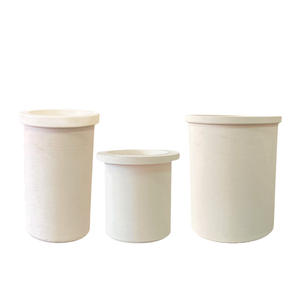
High Temperature Alumina Ceramic Crucible for Muffle Furnace
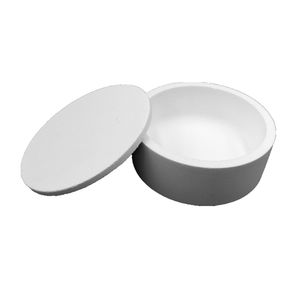
Alumina Combustion Boat Ceramic Crucible with Lid for High Temperature
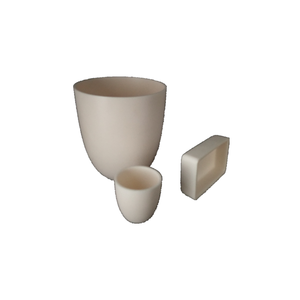
Customization Of Various Shapes Zirconia Ceramic Crucible For Industrial Uses
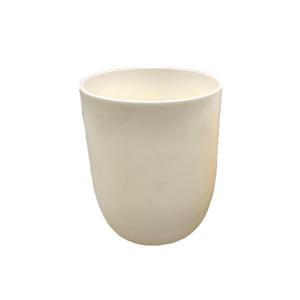
High Thermal Conductivity Silicon Carbide Ceramic Mug Crucible Cup