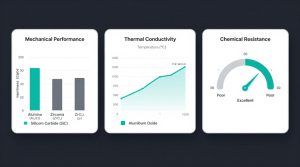
Next-Generation Ceramics: Unlocking Superior Properties for Industry

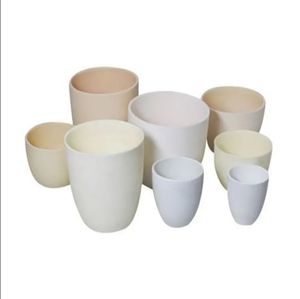
PRODUCT PARAMETERS
Description
Overview of Yttrium Oxide Yttria Ceramic Crucible for High Temperature
A Ceramic Crucible is a vessel designed to withstand extreme temperatures for melting, calcining, or reacting chemical substances. Advanced ceramic crucibles are engineered from high-purity materials like Alumina, Zirconia, Boron Nitride, or Magnesia, chosen for their ability to contain specific molten materials without contamination or failure.
Features of Yttrium Oxide Yttria Ceramic Crucible for High Temperature
- Extreme Temperature Resistance: Can operate continuously from 1000°C to over 1800°C, depending on the material.
- High Purity & Chemical Inertness: Minimizes reaction with and contamination of the melt (metal, glass, salt, ash).
- Excellent Thermal Shock Resistance: (Grade-dependent) Can withstand rapid heating and cooling cycles.
- Variety of Compositions & Designs: Tailored for specific applications (e.g., BN for reactive metals, ZrO₂ for precious metals, MgO for basic slags).
- Durable & Reusable: High-quality crucibles can survive multiple cycles, providing long service life.
Specifications of Yttrium Oxide Yttria Ceramic Crucible for High Temperature
Yttrium Oxide (Yttria) Ceramic Crucible– High-Temperature Specs
Product Composition
This crucible is made from high-purity yttrium oxide (Y ₂ O TWO), additionally referred to as yttria. The product has at least 99.5% pure Y TWO O FOUR. It has really reduced degrees of pollutants like silica, alumina, and iron. These strict purity standards aid prevent contamination during high-temperature procedures.
Temperature level Resistance
The crucible can manage continual use at temperature levels up to 2,400 ° C( 4,352 ° F) in inert or vacuum cleaner settings. It continues to be secure and does not melt, crack, or warp under severe warm. This makes it optimal for thawing rare-earth metals, growing solitary crystals, or sintering advanced ceramics.
Physical Properties
Thickness: 5.0– 5.1 g/cm FOUR.
Firmness: About 8.5 on the Mohs range.
Thermal Expansion Coefficient: ~ 7.5 × 10 ⁻⁶/ ° C (from 25 ° C to
1,000 ° C). Thermal Conductivity: Low, which aids maintain uniform interior temperature level.
The crucible shows superb resistance to thermal shock. It can go from space temperature to over 2,000 ° C without damaging, as long as heating & cooling are controlled correctly.
Chemical Security
Yttria is highly inert. It withstands response with most molten steels, slags, and oxides. It works well with reactive materials like titanium, zirconium, and uranium. Nevertheless, it may react with strong acids or fundamental changes at high temperatures, so those should be avoided.
Readily available Forms
Criterion forms include cylindrical, boat-shaped, and custom designs. Wall surface thickness typically varies from 2 mm to 10 mm, depending on dimension and application. Dimensions differ from tiny lab-scale (10 mL) to commercial quantities (over 500 mL).
All crucibles are produced using accuracy forming and high-temperature sintering. Each item is examined for splits, thickness consistency, and dimensional accuracy prior to delivery.
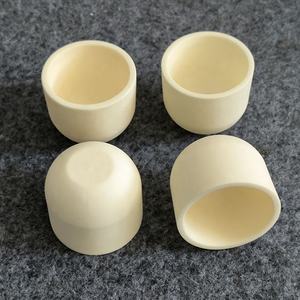
Applications of Yttrium Oxide Yttria Ceramic Crucible for High Temperature
High-Temperature Efficiency of Yttrium Oxide Crucibles
Why Yttria Ceramic Crucibles Stand Out
Yttrium oxide (additionally called yttria) ceramic crucibles take care of severe heat better than many products. They remain stable even over 2,000 ° C. This makes them excellent for melting and processing reactive or high-purity metals like titanium, zirconium, and uncommon earth aspects. These steels react conveniently with various other container products, but yttria does not conflict.
Extraordinary chemical inertness is just one of the greatest benefits. The crucible wall surfaces withstand strike from liquified metals, slags, and hostile atmospheres. This stops contamination and maintains the final product pure. In industries where pureness issues– such as aerospace, electronics, and clinical gadget manufacturing– this attribute is vital.
Key Applications Across Industries
In steel refining, yttria crucibles are utilized to melt and cast specialty alloys without presenting impurities. Their smooth inner surface also helps reduce steel loss during putting.
For crystal growth, specifically in creating sapphire or laser-grade crystals, these crucibles provide a tidy, stable setting. Any foreign component might destroy crystal structure, so the inert nature of yttria is important.
In r & d labs, researchers rely upon yttria crucibles for high-temperature experiments entailing destructive materials. The product’s thermal shock resistance means it will not break easily when temperature levels alter swiftly.
Long life span is an additional benefit. Even after repeated home heating and cooling down cycles, yttria preserves its form and integrity. This lowers substitute frequency and decreases operating expense over time.
Due to these qualities, yttrium oxide crucibles are relied on anywhere extreme warmth, purity, and dependability are non-negotiable. They fix problems that typical ceramics or steels just can not manage.

Company Profile
Synthetic-chemical focus on the research and development, production and sales of ceramic products, serving the electronics, ceramics, chemical and other industries. Since its establishment in 2015, the company has been committed to providing customers with the best products and services, and has become a leader in the industry through continuous technological innovation and strict quality management.
Our products includes but not limited to Aluminum Nitride, Aluminum Oxide, Boron Carbide, Boron Nitride, Ceramic Crucible, ect. If you are interested in any type of these, please feel free to contact us.

Payment Methods
T/T, Western Union, Paypal, Credit Card etc.
Shipment Methods
By air, by sea, by express, as customers request.
5 FAQs of Yttrium Oxide Yttria Ceramic Crucible for High Temperature
Frequently Asked Questions About Yttrium Oxide (Yttria) Ceramic Crucibles
What is a yttria ceramic crucible?
A yttria ceramic crucible is made from high-purity yttrium oxide (Y₂O₃). It can handle very high temperatures without melting or reacting with most materials. This makes it ideal for melting rare-earth metals, growing single crystals, and other extreme-heat applications.
Why choose yttria over other ceramic materials?
Yttria has excellent thermal stability and chemical inertness. It resists reactions with reactive metals like titanium, zirconium, and rare earths. Other ceramics may break down or contaminate the melt at high temperatures. Yttria stays stable and clean.
What temperature range can it handle?
These crucibles work well up to 2,400°C (4,350°F) in vacuum or inert atmospheres. They keep their shape and strength even near their melting point. Always check your specific process conditions to avoid sudden thermal shock.
How long does a yttria crucible last?
Lifespan depends on use. In clean, controlled environments, one crucible may be reused many times. Exposure to moisture, rapid heating, or aggressive melts will shorten its life. Handle it carefully and store it dry when not in use.
Is yttria safe to use?
Yes, when used correctly. Yttria itself is not toxic. However, fine dust from damaged crucibles should not be inhaled. Always wear proper safety gear during handling. Avoid using cracked or chipped crucibles—they may fail during heating.
REQUEST A QUOTE
RELATED PRODUCTS
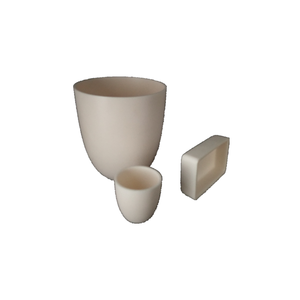
Custom Large Capacity Zirconia Ceramic Melting Crucible Pot
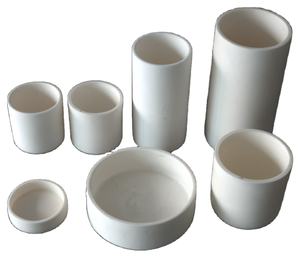
High Temperature Resistant Alumina Ceramic Crucible for Furnace

High Temperature Resistant Alumina Ceramic Crucible for Industrial Applications
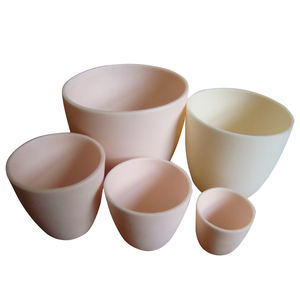
Fused Silica Ceramic Quartz Crucible Bowl for Jewelry
HIGH QUALITY CRUCIBLE for GOLD SMELTING Ceramic Fire Assay Crucibles