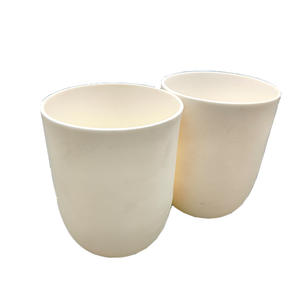
Next-Generation Ceramics: Unlocking Superior Properties for Industry

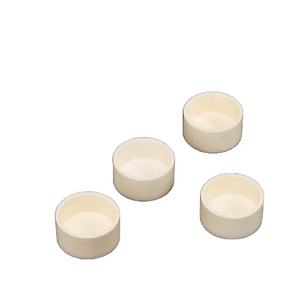
PRODUCT PARAMETERS
Description
Overview of Max Temperature 1600 C Polycrystalline Mullite Ceramic Fiber Board
Mullite is a high-performance, aluminosilicate advanced ceramic renowned for its exceptional stability in extreme environments. It is engineered to excel where thermal shock resistance, high-temperature strength, and chemical inertness are critical. Composed primarily of 3Al₂O₃·2SiO₂, mullite ceramic is a premier choice for demanding industrial applications, from furnace components to aerospace thermal protection systems.
Features of Max Temperature 1600 C Polycrystalline Mullite Ceramic Fiber Board
- Superior Thermal Shock Resistance: Withstands rapid temperature changes without cracking, ideal for cyclic heating processes.
- Excellent High-Temperature Stability: Maintains structural integrity and creep resistance at temperatures up to 1650°C and above.
- Low Thermal Expansion & High Melting Point: Ensures dimensional stability and longevity in severe thermal conditions.
- Outstanding Chemical & Corrosion Resistance: Performs reliably in corrosive atmospheres and against molten metals/salts.
- Good Electrical Insulation Properties: Effective as an insulating material in high-temperature electrical applications.
- High Refractoriness & Mechanical Strength: Offers excellent load-bearing capability in furnace settings and thermal processing.
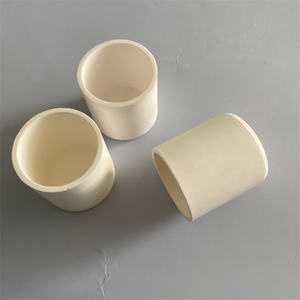
Specification of Max Temperature 1600 C Polycrystalline Mullite Ceramic Fiber Board
Polycrystalline Mullite Porcelain Fiber Board– Max Temperature 1600 °
C High-Temperature Performance You Can Trust Fund This ceramic fiber board is built for severe heat. It takes care of constant consume to 1600 ° C without losing shape or strength. The core product is polycrystalline mullite, recognized for security at really high temperatures. Unlike conventional alumina-silica boards, it stands up to shrinking and cracking even after lengthy direct exposure to intense heat. Light-weight Yet Durable The board remains light-weight while providing
solid mechanical assistance
. It cuts easily and suits limited areas. Despite its reduced thickness, it stands up well under stress and resonance. This makes it suitable for lining heaters, kilns, and various other high-heat devices where weight matters. Superb Thermal Insulation Heat loss goes down considerably with this board.
Its reduced thermal conductivity keeps energy inside the system. That indicates better gas effectiveness and lower operating expense. The material also responds promptly to temperature changes without damages. Chemical and Deterioration Resistance It withstands extreme atmospheres. The board withstands attack from a lot of acids, slags, and metal vapors. It will not break down in minimizing or
oxidizing environments. This dependability prolongs life span in demanding industrial settings like metal processing and glass production. Clean and Safe Handling The board consists of no organic binders. It releases very little dirt throughout setup. Workers can cut, shape, and mount it with
standard tools. No special safety gear beyond basic security is needed. Key Features:- Continuous use up to 1600 ° C . -Low thermal conductivity. -High compressive strength.- Excellent chemical security.
– Easy to fabricate and mount. Utilize this board wherever severe heat, energy financial savings, and lasting durability matter.
It’s a clever choice for contemporary high-temperature applications.
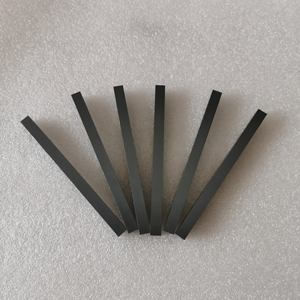
Applications of Max Temperature 1600 C Polycrystalline Mullite Ceramic Fiber Board
Applications of Max Temperature Level 1600 ° C Polycrystalline Mullite Ceramic Fiber Board
High-Temperature Industrial Furnaces
This ceramic fiber board works well in commercial heaters that run at really heats. It remains steady and solid even when the warmth gets to 1600 ° C. Factories use it to line furnace walls, roof coverings, and doors. The board aids maintain heat inside, which conserves power and improves effectiveness.
Petrochemical and Refining Equipment
Refineries and chemical plants need materials that can handle severe heat without breaking down. This board withstands thermal shock and chemical rust. It is typically made use of around radicals, crackers, and other high-heat processing devices. Its durability reduces maintenance costs and downtime.
Warm Treatment Equipments
Steel heat treatment requires regular high temperatures over long periods. The polycrystalline mullite board gives reliable insulation for annealing, solidifying, and sintering tools. It keeps temperature level uniform and safeguards structural components from overheating.
Ceramics and Glass Manufacturing
In kilns and glass-melting storage tanks, temperature level control is vital. This fiber board uses reduced thermal conductivity and high purity. It protects against contamination of delicate products like technological ceramics or optical glass. Its stability guarantees consistent item top quality.
Aerospace and Advanced Products Testing
Checking facilities for jet engines or brand-new heat-resistant products require trustworthy insulation. The board does dependably in test chambers and simulators that imitate severe conditions. It supports precise, repeatable outcomes without breaking down.
Back-up Insulation in Vital Equipments
Some systems use this board as a safety layer behind primary insulation. If the main layer falls short, the ceramic fiber board prevents sudden heat loss or devices damages. It adds an added degree of defense where failure is not an alternative.

Company Profile
Synthetic-chemical focus on the research and development, production and sales of ceramic products, serving the electronics, ceramics, chemical and other industries. Since its establishment in 2015, the company has been committed to providing customers with the best products and services, and has become a leader in the industry through continuous technological innovation and strict quality management.
Our products includes but not limited to Aluminum Nitride, Aluminum Oxide, Boron Carbide, Boron Nitride, Ceramic Crucible, ect. If you are interested in any type of these, please feel free to contact us.

Payment Methods
T/T, Western Union, Paypal, Credit Card etc.
Shipment Methods
By air, by sea, by express, as customers request.
5 FAQs of Max Temperature 1600 C Polycrystalline Mullite Ceramic Fiber Board
Frequently Asked Questions: Max Temperature 1600°C Polycrystalline Mullite Ceramic Fiber Board
What is this ceramic fiber board made of?
This board uses polycrystalline mullite fibers. These fibers are strong and stable at very high temperatures. The material contains no organic binders, so it stays clean and safe during use.
How hot can it handle?
It works safely up to 1600°C (2912°F). That makes it one of the best choices for extreme heat environments like furnaces, kilns, and high-temperature reactors.
Why choose this over other insulation materials?
Most insulation breaks down near 1200°C. This board keeps its shape and strength even at 1600°C. It also has low thermal conductivity, so it saves energy and improves efficiency.
Is it easy to cut or install?
Yes. The board is rigid but can be cut with standard tools like saws or knives. It fits tightly into place without extra support. Always wear gloves and eye protection when handling.
Where is it commonly used?
Industries like steel, glass, petrochemicals, and ceramics rely on this board. It lines high-temperature furnaces, protects equipment, and acts as a fire barrier. Labs and aerospace applications also use it for thermal shielding.
REQUEST A QUOTE
RELATED PRODUCTS
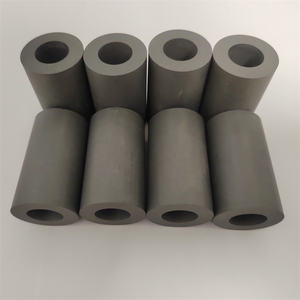
High Heat Resistance Mullite element Cordierite Corundum Mullite Ceramic Tube
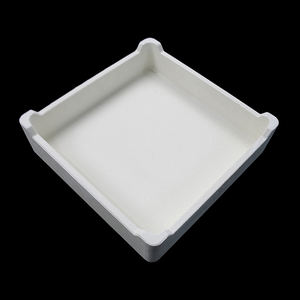
High Purity 99 Alumina Ceramic Square Crucible For Lab High Temperature Experiment Corundum Mullite Ceramic Heat Resistant
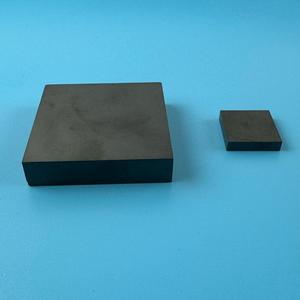
High-Temperature Cordierite Mullite Ceramic Refractory Bearing Board Welding/Cutting Service Plate for Roller Kilns
High-Temperature Alumina Ceramic Tube Cordierite Ceramic Tube Mullite Ceramic Pipe
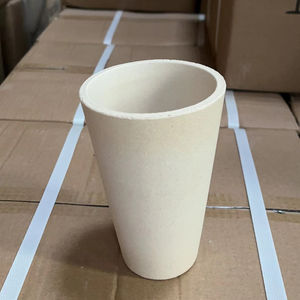
Heat Resistant Industrial Cordierite Ceramic Tube Mullite Ceramic Pipe