Next-Generation Ceramics: Unlocking Superior Properties for Industry

Mullite Ceramic
High Grade Whole Eco Friendly Mullite Ceramic Sand Art Paint for Repair Ceramic Kiln Shelf High Pressure Refractory
Refractory High Al2O3 Alumina Kiln Shelves Corundum Mullite Ceramic Solid Plate Kiln Furniture
High Temperature Polycrystalline Mullite Ceramic Insulation Board Heat Resistant Ceramic Fiber Boards for Kilns
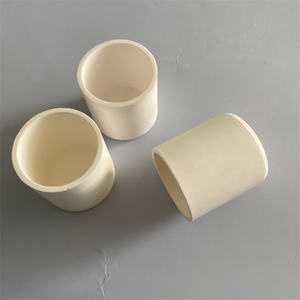
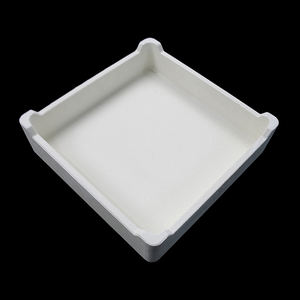
Rectangular Corundum Mullite Ceramic Sagger Tray Crucible for Refractory Kiln
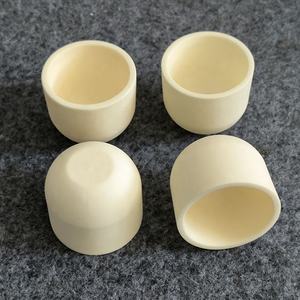
High-Temp Cordierite-Mullite Ceramic Kiln Shelves Durable Refractory Supports for Pottery & Ceramics
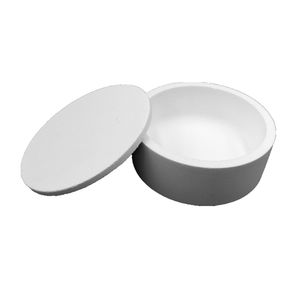
Refractory Polycrystalline Mullite Ceramic Fiber Board for Kiln Oven
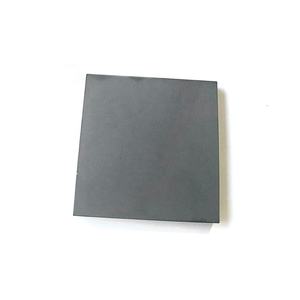
Customized Mullite Ceramic Brick Refractory Cordierite Ceramic Kiln Board
High Temperature Furnace Cordierite Mullite Ceramic Refractory Plate Board

High Temperature Corundum Mullite Ceramic Spiral Tube Alumina Content >60% High Strength Good Thermal Shock Resistance for Wire
Cordierite Ceramic Electric Heating Threaded Tube Mullite Ceramic Heating Tube High Temperature Resistant Ceramic Threaded Tube
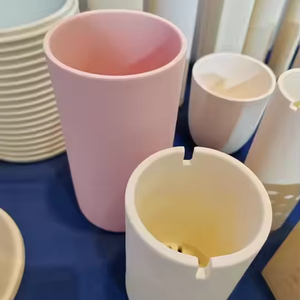
Refractory Kiln Shelf Slab Cordierite Mullite Ceramic Plates support For Pottery Kiln Furniture
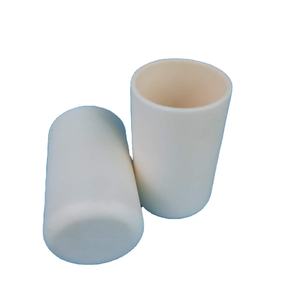
1800C High Temperature Polycrystalline Mullite Ceramic Insulation Board Heat Resistant Ceramic Fiber Boards for Kilns
Overview of Mullite Ceramic
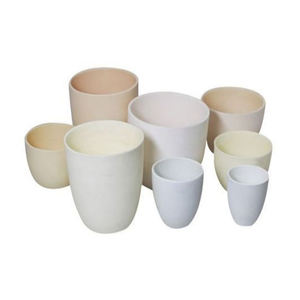
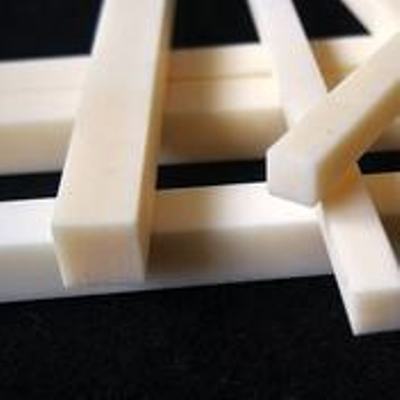
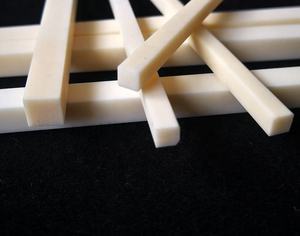
Mullite ceramic, with the chemical composition 3Al₂O₃·2SiO₂, is a high-performance aluminosilicate material distinguished by its exceptional balance of properties. It is predominantly synthetic, produced by firing high-purity alumina and silica at elevated temperatures to form its characteristic stable crystal structure.
The primary advantage of mullite lies in its outstanding high-temperature stability. It maintains structural integrity up to approximately 1700°C in oxidizing atmospheres without disruptive phase transformations. This is complemented by an intrinsically low coefficient of thermal expansion, which grants it superior resistance to thermal shock—a critical feature for components undergoing rapid heating or cooling cycles.
Furthermore, mullite exhibits excellent creep resistance under mechanical load at high temperatures, good chemical inertness against many corrosive slags and atmospheres, and remains an effective electrical insulator. Its versatility stems from this unique combination, making it not just a traditional refractory workhorse but also an enabling material for advanced technical applications. Ongoing research continues to refine its microstructure and processing to meet increasingly demanding challenges in extreme environments.
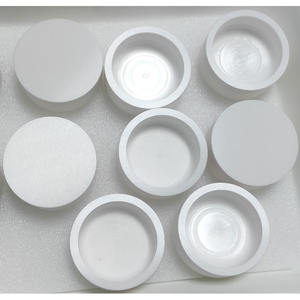
Features of Mullite Ceramic
- High-Temperature Stability
- Low Thermal Expansion
- Excellent Creep Resistance
- Good Thermal Shock Resistance
- Superior Chemical & Corrosion Resistance
Applications of Mullite Ceramic
- Industrial Furnace linings and kiln furniture.
- Thermocouple Protection Tubes
- Refractory Components for iron and steel production.
- Advanced Structural Parts in aerospace and chemical processing.
- Foundry Core for investment casting.
- Composite Reinforcements

Company Profile
Synthetic-chemical focus on the research and development, production and sales of ceramic products, serving the electronics, ceramics, chemical and other industries. Since its establishment in 2015, the company has been committed to providing customers with the best products and services, and has become a leader in the industry through continuous technological innovation and strict quality management.
Our products includes but not limited to Aluminum Nitride, Aluminum Oxide, Boron Carbide, Boron Nitride, Ceramic Crucible, ect. If you are interested in any type of these, please feel free to contact us.

Payment Term
L/C, T/T, Western Union, Paypal, Credit Card etc.

Shipment Term
By sea, by air, by express, as customers request.
5 FAQs of Mullite Ceramic
1. What is mullite ceramic made from?
It is primarily synthesized from alumina (Al₂O₃) and silica (SiO₂).
2. What is mullite's maximum use temperature?
It can be used in oxidizing atmospheres up to approximately 1700°C.
3. Is mullite ceramic electrically insulating?
Yes, it is an excellent electrical insulator, even at high temperatures.
4. How does mullite compare to alumina?
Mullite generally has better thermal shock resistance and lower thermal expansion, while alumina often has higher mechanical strength and hardness.
5. Can mullite be machined?
Yes, but it is very hard and abrasive, requiring diamond tooling for precision machining.