Next-Generation Ceramics: Unlocking Superior Properties for Industry

PRODUCT PARAMETERS
Description
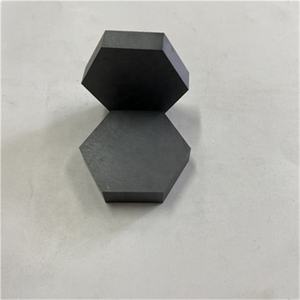
Overview of Refractory Corundum Mullite Ceramic Block
Mullite is a high-performance, aluminosilicate advanced ceramic renowned for its exceptional stability in extreme environments. It is engineered to excel where thermal shock resistance, high-temperature strength, and chemical inertness are critical. Composed primarily of 3Al₂O₃·2SiO₂, mullite ceramic is a premier choice for demanding industrial applications, from furnace components to aerospace thermal protection systems.
Features of Refractory Corundum Mullite Ceramic Block
- Superior Thermal Shock Resistance: Withstands rapid temperature changes without cracking, ideal for cyclic heating processes.
- Excellent High-Temperature Stability: Maintains structural integrity and creep resistance at temperatures up to 1650°C and above.
- Low Thermal Expansion & High Melting Point: Ensures dimensional stability and longevity in severe thermal conditions.
- Outstanding Chemical & Corrosion Resistance: Performs reliably in corrosive atmospheres and against molten metals/salts.
- Good Electrical Insulation Properties: Effective as an insulating material in high-temperature electrical applications.
- High Refractoriness & Mechanical Strength: Offers excellent load-bearing capability in furnace settings and thermal processing.
Specification of Refractory Corundum Mullite Ceramic Block
Refractory Diamond Mullite Ceramic Block– Item Spec
Material Structure
Refractory diamond mullite ceramic blocks are made from high-purity alumina and synthetic mullite. The mix consists of carefully selected raw materials to make sure consistent performance. These blocks contain over 75% Al Two O FOUR, providing superb heat resistance and structural stamina at heats.
Key Qualities
These blocks supply high thermal security. They can function continually at temperatures up to 1650 ° C (3000 ° F). Their reduced thermal conductivity helps in reducing warmth loss in industrial heaters. The product shows strong resistance to thermal shock, chemical deterioration, and abrasion. This makes the blocks suitable for harsh operating atmospheres.
Physical Qualities
The typical bulk thickness varies from 2.6 to 2.9 g/cm TWO. Cold squashing strength is commonly above 80 MPa. Porosity is kept listed below 18% to keep durability and limit slag infiltration. Each block is exactly formed with tight dimensional tolerances for easy installment and reputable fit.
Usual Applications
These ceramic blocks are commonly utilized in steel, glass, cement, and petrochemical markets. They line kilns, furnaces, incinerators, and various other high-temperature equipment. Their performance makes sure longer life span and reduced upkeep costs contrasted to conventional refractories.
Personalization Options
Blocks can be produced in various shapes and sizes based on customer requirements. Unique formulas are available for specific operating conditions, such as greater load-bearing needs or boosted corrosion resistance. All items satisfy global top quality criteria and undertake stringent screening before distribution.
Applications of Refractory Corundum Mullite Ceramic Block
Applications of Refractory Diamond Mullite Porcelain Block
High-Temperature Industrial Furnaces
Refractory diamond mullite ceramic blocks job well in high-temperature commercial furnaces. These blocks take care of warm up to 1,700 ° C without breaking down. They line the walls and floors of melting heating systems, heat-treatment chambers, and sintering kilns. Their strong structure maintains the furnace secure during long terms.
Metallurgy and Foundries
In steel and non-ferrous metal production, these blocks safeguard devices from liquified steel and slag. They stand up to chemical attacks and thermal shock. This makes them ideal for ladles, tundishes, and pouring networks. Their toughness cuts downtime and upkeep prices.
Cement and Lime Kilns
Concrete plants use these blocks in rotary kilns and preheaters. The product stands up to unpleasant raw meals and harsh alkali vapors. It likewise takes care of constant temperature level modifications. This aids keep kiln linings intact with time.
Glass Manufacturing
Glass containers need products that will not infect liquified glass. Diamond mullite obstructs fulfill this requirement. They supply reduced porosity and high pureness. Workers mount them in checkers, regenerators, and throat locations where warm and rust are worst.
Chemical and Petrochemical Plants
These blocks line reactors, reformers, and burners in chemical facilities. They resist acids, antacid, and various other severe chemicals at heats. Their stability makes certain secure, continual operation even under challenging problems.
Power Generation
In coal-fired central heating boilers and waste-to-energy plants, the blocks protect important parts from ash build-up and erosion. They aid keep efficiency and extend equipment life. Their efficiency remains stable with repeated home heating and cooling down cycles.

Company Profile
Synthetic-chemical focus on the research and development, production and sales of ceramic products, serving the electronics, ceramics, chemical and other industries. Since its establishment in 2015, the company has been committed to providing customers with the best products and services, and has become a leader in the industry through continuous technological innovation and strict quality management.
Our products includes but not limited to Aluminum Nitride, Aluminum Oxide, Boron Carbide, Boron Nitride, Ceramic Crucible, ect. If you are interested in any type of these, please feel free to contact us.

Payment Methods
T/T, Western Union, Paypal, Credit Card etc.
Shipment Methods
By air, by sea, by express, as customers request.
5 FAQs of Refractory Corundum Mullite Ceramic Block
Frequently Asked Questions About Refractory Corundum Mullite Ceramic Blocks
What are corundum mullite ceramic blocks made of?
These blocks contain high-purity alumina, corundum, and mullite. The mix gives them strong heat resistance and structural stability. Manufacturers fire them at very high temperatures to create a dense, durable material.
Where are these blocks used?
They work well in high-temperature industrial settings. Common uses include kiln linings, furnace walls, and areas near molten metal or glass. Their thermal shock resistance makes them ideal for places with rapid temperature changes.
Why choose corundum mullite over other refractories?
They last longer under extreme heat and chemical exposure. Their low porosity helps block slag and gas penetration. This means less wear, fewer replacements, and lower long-term costs compared to standard firebricks.
How do I install these blocks?
Use high-temperature mortar designed for dense ceramics. Make sure joints are tight and even. Follow the manufacturer’s layout guide to avoid stress points. Let the structure cure fully before heating it up slowly.
Can these blocks handle thermal cycling?
Yes. Their mullite content gives them good thermal shock resistance. They can go through repeated heating and cooling without cracking easily. Still, sudden extreme changes should be avoided to maximize service life.
REQUEST A QUOTE
RELATED PRODUCTS
High Temperature Resistance Refractory Porous Mullite Ceramics
Industrial Refractory Mullite Ceramic Cordierite Honeycomb Ceramics Heat Accumulator
High Temperature Resistance Insulating Corundum Mullite Ceramic Screws
Wear-resistant Mullite Ceramics Pieces for Oven
High Purity Cordierite Mullite Ceramic Plate Kiln Shelves 1370C Refractory Support Ceramic Oven Parts