Next-Generation Ceramics: Unlocking Superior Properties for Industry

PRODUCT PARAMETERS
Description
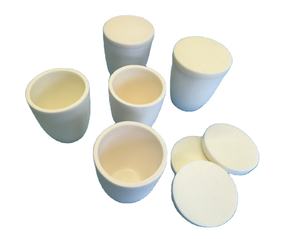
Overview of Ceramic Crucibles Silica Quartz Dish for Melting Precious Metals
Quartz ceramics, also known as fused silica ceramics or re-bonded quartz products, are a high-performance advanced ceramic material. Unlike traditional clay-based ceramics, they are not made by sintering clay, but rather from high-purity fused silica (silicon dioxide, SiO₂) that is crushed, shaped, and then sintered at high temperatures.
Their core appeal lies in their unique combination of the excellent properties of fused silica glass (such as extremely low thermal expansion coefficient and excellent thermal shock stability) and the structural strength and versatility of ceramics (they can be made into crucibles, rollers, and irregularly shaped parts), overcoming the limitations of fused silica glass in terms of difficulty in manufacturing large sizes and complex shapes, and its high cost.
Quartz ceramics perform exceptionally well in harsh environments involving high temperatures, rapid temperature changes, and chemical corrosion, and are widely used in solar photovoltaics (crucibles for polycrystalline silicon ingot furnaces), semiconductors, aerospace, metallurgy and casting, the glass industry, and laboratories.
Main Characteristics of Ceramic Crucibles Silica Quartz Dish for Melting Precious Metals
Excellent Thermal Shock Stability: They have an extremely low thermal expansion coefficient, generating almost no thermal stress during rapid temperature changes, and can withstand rapid cooling from extremely high temperatures to room temperature without cracking.
Extremely High Temperature Resistance and Thermal Stability: They can be used continuously at temperatures of 1100°C – 1350°C, and can even withstand higher temperatures for short periods. They do not soften or deform at high temperatures and maintain good dimensional stability.
Excellent Chemical Inertness and Corrosion Resistance: Except for hydrofluoric acid and hot concentrated phosphoric acid, they have strong resistance to most acids, salt solutions, and molten metals (such as aluminum, copper, gold, silver, and platinum), making them ideal melting and containment vessels.
Low Thermal Conductivity and Good Electrical Insulation: They have low thermal conductivity, making them excellent thermal insulation materials. They also maintain good electrical insulation properties at high temperatures.
High Purity and Low Contamination Risk: Made from high-purity quartz sand, they do not contaminate the high-purity molten metals or semiconductor materials they come into contact with, ensuring process cleanliness.
Moderate Mechanical Strength: Compared to most engineering ceramics, their mechanical strength at room temperature is relatively low; they are brittle materials. However, their strength is sufficient under their designed operating conditions (high-temperature insulation, thermal shock resistance). Its strength can be improved by optimizing the formula and manufacturing process.
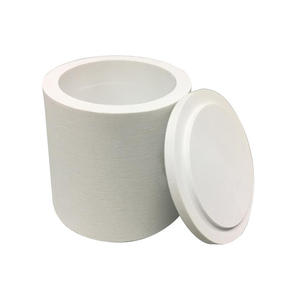
Specifications of Ceramic Crucibles Silica Quartz Dish for Melting Precious Metals
Specs of Ceramic Crucibles– Silica Quartz Recipe for Melting Precious Metals
Product and Composition
These crucibles are made from high-purity fused silica quartz. The product contains over 99.9% SiO TWO. This makes sure excellent resistance to thermal shock and chemical deterioration. It stays secure even when exposed to aggressive fluxes or liquified steels.
Temperature Resistance
Optimum operating temperature: 1,200 ° C( 2,192 °F). Short-term optimal temperature: up to 1,400 ° C (2,552 ° F).
The crucible maintains architectural integrity throughout quick heating and cooling cycles. This makes it optimal for repeated use in factory and refining applications.
Physical Measurements
Offered in several dimensions:
– Capacity: 10 ml to 500 ml
– Height: 25 mm to 100 mm
– Outer size: 30 mm to 120 mm
Wall surface density ranges from 3 mm to 6 mm, relying on dimension. Thicker walls use far better sturdiness for high-volume melts.
Key Features
Reduced thermal expansion: Minimizes splitting under abrupt temperature level modifications.
Non-reactive surface area: Stops contamination of precious metals like gold, silver, platinum, and palladium.
Smooth indoor coating: Permits simple pouring and reduces metal loss during spreading.
Lightweight yet solid: Easier to handle than graphite or clay-graphite alternatives, without giving up efficiency.
Recommended Utilizes
Designed especially for melting and holding precious metals in jewelry workshops, small refineries, and lab setups. Ideal for induction heaters, gas lanterns, and electric kilns. Not recommended for use with alkaline substances or solid bases, as these can degrade the quartz surface over time.
Treatment and Handling
Always pre-heat the crucible gradually before full heating. Prevent direct call with cold surfaces while warm. Store in a dry location to avoid wetness absorption. Take care of with clean tongs to stay clear of surface contamination or mechanical anxiety.
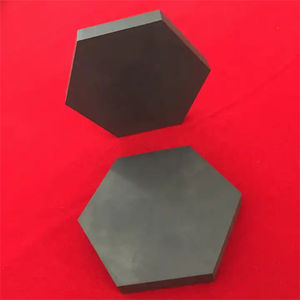
Applications of Ceramic Crucibles Silica Quartz Dish for Melting Precious Metals
Applications of Ceramic Crucibles: Silica Quartz Meal for Melting Valuable Metals
High-Temperature Performance You Can Trust
Silica quartz crucibles are made to take care of extreme heat. They work well in environments that get to over 1,600 ° C (2,912 ° F). This makes them suitable for thawing precious metals like gold, silver, platinum, and palladium. Their structure stays secure also under duplicated heating and cooling cycles.
Pure Results with Marginal Contamination
These crucibles are crafted from high-purity integrated silica. That implies they include practically no pollutants to your steel throughout melting. Much less contamination leads to cleaner thaws and better final products. Jewelers, refiners, and lab technicians depend on this pureness for consistent results.
Built for Repeated Use
Silica quartz meals stand up to thermal shock much better than numerous various other ceramic materials. They will not split easily when relocated from hot to cold swiftly. This toughness aids you conserve money over time since you replace them much less typically. Just stay clear of abrupt impacts or rough handling.
Perfect Fit for Small-Scale and Precision Work
Their compact dimension suits little factories, fashion jewelry workshops, and research labs. You can melt just the correct amount of steel without waste. The smooth inner surface area likewise makes putting easier and minimizes metal loss. Lots of customers locate them simple to clean and get ready for the following batch.
Compatibility with Usual Melting Tools
These crucibles function well with induction furnaces, gas torches, and electrical kilns. They fit basic configurations without needing special adapters. Constantly check your tools’s max temperature to make sure risk-free use. Proper positioning inside the furnace additionally assists expand the crucible’s life.
Using a silica quartz crucible offers you manage, reliability, and top quality when collaborating with valuable steels. Whether you’re casting fine jewelry or recouping scrap metal, this tool supports accuracy and efficiency at every step.

Company Profile
Synthetic-chemical focus on the research and development, production and sales of ceramic products, serving the electronics, ceramics, chemical and other industries. Since its establishment in 2015, the company has been committed to providing customers with the best products and services, and has become a leader in the industry through continuous technological innovation and strict quality management.
Our products includes but not limited to Aluminum Nitride, Aluminum Oxide, Boron Carbide, Boron Nitride, Ceramic Crucible, ect. If you are interested in any type of these, please feel free to contact us.

Payment Methods
T/T, Western Union, Paypal, Credit Card etc.
Shipment Methods
By air, by sea, by express, as customers request.
5 FAQs of Ceramic Crucibles Silica Quartz Dish for Melting Precious Metals
Common Questions About Ceramic Crucibles – Silica Quartz Dish for Melting Precious Metals
What is a silica quartz crucible made of?
This crucible is made from high-purity fused silica (quartz). It contains very few impurities. That makes it safe for melting gold, silver, platinum, and other precious metals without adding unwanted elements.
Why choose quartz over other ceramic materials?
Quartz handles extreme heat very well. It can work continuously at temperatures up to 1,200°C (2,192°F) and even higher for short periods. It also resists thermal shock better than many other ceramics. This means it won’t crack easily when heated or cooled quickly.
Can I reuse the crucible after melting metal?
Yes, you can reuse it if handled properly. After each use, let it cool slowly. Clean off any leftover metal or slag gently. Avoid sudden temperature changes or rough handling. With care, one crucible lasts through many melting cycles.
Will the crucible react with my metal?
High-purity silica quartz is chemically stable. It does not react with most precious metals during normal melting. However, avoid using it with strong alkalis or certain reactive alloys like aluminum or titanium—they may damage the crucible.
How do I heat the crucible safely?
Always preheat the crucible slowly before full heating. Place it in a cold furnace or start with low flame. Raise the temperature gradually over 15–30 minutes. This prevents cracks from thermal stress. Never drop it or expose it to water while hot.
REQUEST A QUOTE
RELATED PRODUCTS
Hot Portable Ceramic Tile Display Stand for Quartz Stone Granite
Mini Ceramic Ball Mill for Small Scale for Quartz Rock Sand
Powerful Polishing Chemicals for Quartz Tile and Ceramic Tile
Manual Quartz Portable Stone Slab Cutting Machine for Ceramic Tile
Customizable Size Long Life Quartz Ceramic Crucible for Dental Lab