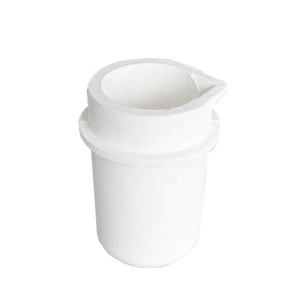
Next-Generation Ceramics: Unlocking Superior Properties for Industry

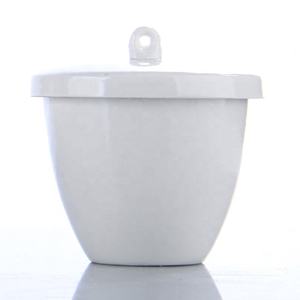
PRODUCT PARAMETERS
Description
Overview of China Ball Mill Machine Laboratory Ceramic for Quartz
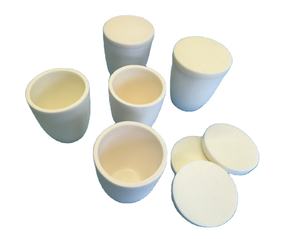
Quartz ceramics, also known as fused silica ceramics or re-bonded quartz products, are a high-performance advanced ceramic material. Unlike traditional clay-based ceramics, they are not made by sintering clay, but rather from high-purity fused silica (silicon dioxide, SiO₂) that is crushed, shaped, and then sintered at high temperatures.
Their core appeal lies in their unique combination of the excellent properties of fused silica glass (such as extremely low thermal expansion coefficient and excellent thermal shock stability) and the structural strength and versatility of ceramics (they can be made into crucibles, rollers, and irregularly shaped parts), overcoming the limitations of fused silica glass in terms of difficulty in manufacturing large sizes and complex shapes, and its high cost.
Quartz ceramics perform exceptionally well in harsh environments involving high temperatures, rapid temperature changes, and chemical corrosion, and are widely used in solar photovoltaics (crucibles for polycrystalline silicon ingot furnaces), semiconductors, aerospace, metallurgy and casting, the glass industry, and laboratories.
Main Characteristics of China Ball Mill Machine Laboratory Ceramic for Quartz
Excellent Thermal Shock Stability: They have an extremely low thermal expansion coefficient, generating almost no thermal stress during rapid temperature changes, and can withstand rapid cooling from extremely high temperatures to room temperature without cracking.
Extremely High Temperature Resistance and Thermal Stability: They can be used continuously at temperatures of 1100°C – 1350°C, and can even withstand higher temperatures for short periods. They do not soften or deform at high temperatures and maintain good dimensional stability.
Excellent Chemical Inertness and Corrosion Resistance: Except for hydrofluoric acid and hot concentrated phosphoric acid, they have strong resistance to most acids, salt solutions, and molten metals (such as aluminum, copper, gold, silver, and platinum), making them ideal melting and containment vessels.
Low Thermal Conductivity and Good Electrical Insulation: They have low thermal conductivity, making them excellent thermal insulation materials. They also maintain good electrical insulation properties at high temperatures.
High Purity and Low Contamination Risk: Made from high-purity quartz sand, they do not contaminate the high-purity molten metals or semiconductor materials they come into contact with, ensuring process cleanliness.
Moderate Mechanical Strength: Compared to most engineering ceramics, their mechanical strength at room temperature is relatively low; they are brittle materials. However, their strength is sufficient under their designed operating conditions (high-temperature insulation, thermal shock resistance). Its strength can be improved by optimizing the formula and manufacturing process.
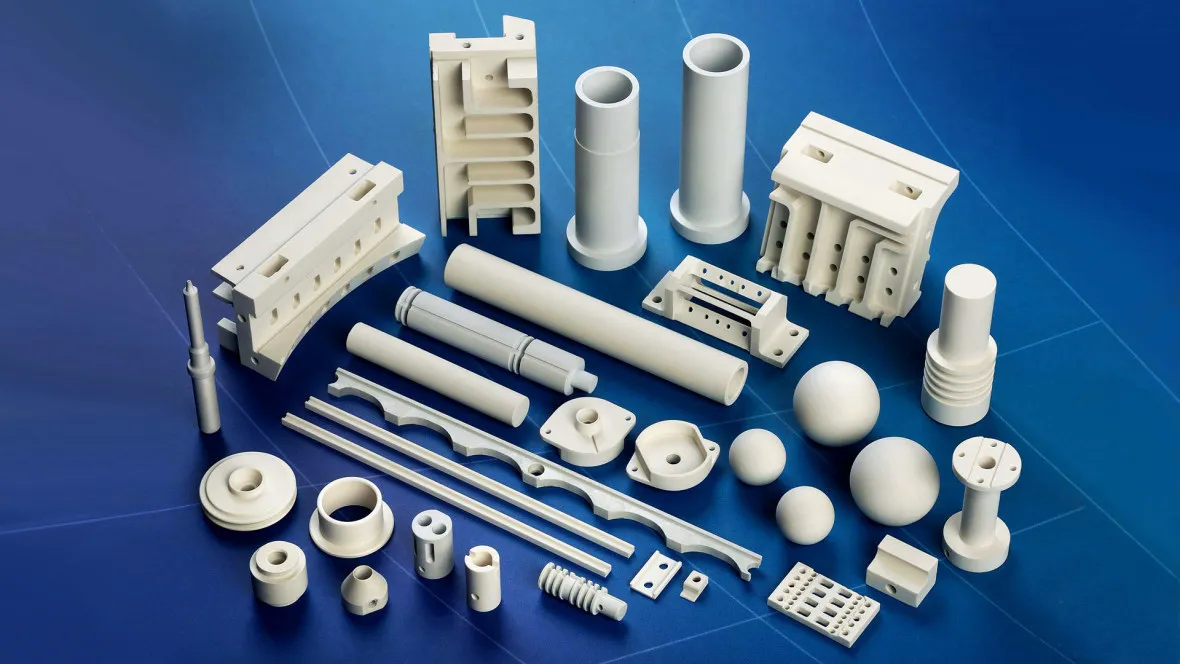
Specifications of China Ball Mill Machine Laboratory Ceramic for Quartz
China Round Mill Machine– Lab Ceramic for Quartz
Secret Specs
This sphere mill device is constructed for research laboratory usage. It grinds quartz and various other difficult products into great powder. The grinding chamber is made from high-purity ceramic. This prevents contamination during the milling procedure. The ceramic cellular lining is solid and resists wear.
The machine operates on a 220V power supply. It uses a peaceful, brushless motor. Power consumption remains low while performance remains steady. Turning speed varies from 50 to 300 RPM. Individuals can change the speed based upon product kind and preferred excellence.
Design and Capacity
The standard design holds up to 1 liter of material. Custom dimensions are likewise readily available upon demand. The jar seals snugly to prevent leakages or dirt escape. A safety lock quits procedure if the lid opens up during running.
All parts touching the example are ceramic. No steel is available in call with the material. This makes the mill perfect for sensitive applications like electronic devices, porcelains, or chemical study.
Operation and Safety
Simple controls let individuals establish time and speed easily. The digital timer works up to 99 hours. The equipment stops instantly when time finishes. Overheat defense keeps the electric motor risk-free during long terms.
Low noise layout enables usage in common laboratory areas. Resonance is very little many thanks to well balanced rotation and solid base support. Cleaning fasts– simply wash the ceramic jar with water or solvent.
Long lasting building guarantees lengthy life span. The body is made of coated steel. Feet are anti-slip to keep the device steady on any flat surface. Regular upkeep is not required past basic cleansing.
This ball mill meets usual laboratory standards for dependability and sanitation. It suits universities, proving ground, and small manufacturing facilities working with quartz, feldspar, pigments, or similar breakable materials.
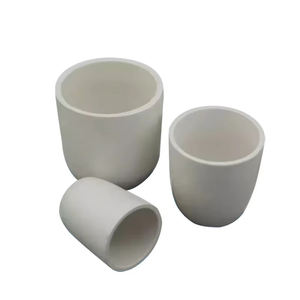
Applications of China Ball Mill Machine Laboratory Ceramic for Quartz
Applications of China Ball Mill Maker– Research Laboratory Ceramic for Quartz
Grinding and Pulverizing Quartz Samples
The China ball mill machine with a ceramic chamber is widely used in labs to grind quartz right into fine powder. Quartz is a difficult mineral. It requires strong and wear-resistant equipment for regular results. The ceramic lining inside the mill avoids contamination. This is important when high-purity samples are required.
Mineral Handling Research
Researchers use this sphere mill to research exactly how quartz acts throughout size reduction. The machine aids prepare uniform particle dimensions for screening. Consistent particles enhance the accuracy of experiments. Labs working with mineral processing rely on this devices for repeatable results.
Product Scientific Research and Ceramics Development
In product science, finely ground quartz is a vital ingredient in making innovative porcelains. The lab-scale round mill ensures the quartz remains pure during grinding. No metal parts touch the sample. This stays clear of undesirable chain reaction or impurities that might influence final product quality.
Geological and Ecological Checking
Geologists and ecological scientists utilize the ceramic ball mill to prepare dirt or rock examples having quartz. These examples have to be ground without including foreign components. The all-ceramic design meets this requirement. It sustains tidy analysis of trace elements and mineral composition.
Pharmaceutical and Chemical Applications
Some pharmaceutical and chemical processes require ultra-fine quartz as a filler or additive. The round mill’s mild yet efficient grinding action protects the quartz structure. At the exact same time, it accomplishes the needed fineness. This makes the equipment appropriate for sensitive solutions where pureness matters most.
Secret Attributes:
– All-ceramic grinding chamber
– Reduced contamination risk
– Peaceful procedure
– Easy to clean and maintain
– Perfect for small-batch lab job
This sphere mill is built for laboratories that demand accuracy, cleanliness, and integrity when collaborating with quartz and similar hard products.

Company Profile
Synthetic-chemical focus on the research and development, production and sales of ceramic products, serving the electronics, ceramics, chemical and other industries. Since its establishment in 2015, the company has been committed to providing customers with the best products and services, and has become a leader in the industry through continuous technological innovation and strict quality management.
Our products includes but not limited to Aluminum Nitride, Aluminum Oxide, Boron Carbide, Boron Nitride, Ceramic Crucible, ect. If you are interested in any type of these, please feel free to contact us.

Payment Methods
T/T, Western Union, Paypal, Credit Card etc.
Shipment Methods
By air, by sea, by express, as customers request.
5 FAQs of China Ball Mill Machine Laboratory Ceramic for Quartz
Frequently Asked Questions About China Laboratory Ceramic Ball Mill for Quartz
What is a ceramic ball mill used for?
A ceramic ball mill grinds quartz and other hard materials into fine powder. It uses ceramic jars and balls to avoid metal contamination. This makes it ideal for labs that need pure samples for testing or research.
Why choose a ceramic ball mill over a steel one?
Ceramic parts do not rust or react with most chemicals. They also prevent iron or other metals from mixing into your sample. For quartz processing—where purity matters—ceramic is the safer choice.
How long does a grinding cycle take?
Grinding time depends on the material amount and desired fineness. Most quartz samples take 1 to 4 hours. You can adjust speed and time based on your lab’s needs.
Is the machine easy to clean and maintain?
Yes. The ceramic jar and balls can be rinsed with water or cleaned with mild solvents. No special tools are needed. Regular cleaning keeps performance steady and avoids cross-contamination.
Can this ball mill handle other materials besides quartz?
Absolutely. It works well with feldspar, silica, pigments, ceramics, and many non-metallic minerals. Just make sure the material hardness suits ceramic grinding media to avoid excessive wear.
REQUEST A QUOTE
RELATED PRODUCTS
Customized Floor Standing Ceramic Tile Granite Quartz Display Racks
4 Inch 3 Step Dry Diamond Polishing Pad for Ceramic Marble Quartz
Inert Gas Atmosphere Furnace with Quartz Alumina Ceramic Tube
Direct Factory Push Pull Panel Ceramic Tile Quartz Display Rack
Silica Sand Quartz Stone for the Ceramic Industry