Next-Generation Ceramics: Unlocking Superior Properties for Industry

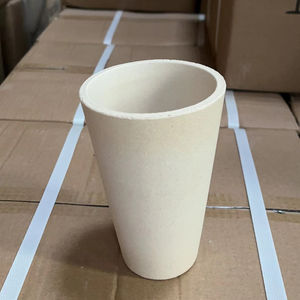
PRODUCT PARAMETERS
Description
Overview of Limestone Silica Sand Quartz Horizontal Ceramic Ball Mill
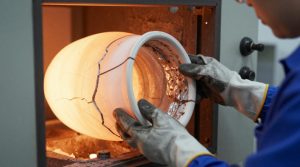
Quartz ceramics, also known as fused silica ceramics or re-bonded quartz products, are a high-performance advanced ceramic material. Unlike traditional clay-based ceramics, they are not made by sintering clay, but rather from high-purity fused silica (silicon dioxide, SiO₂) that is crushed, shaped, and then sintered at high temperatures.
Their core appeal lies in their unique combination of the excellent properties of fused silica glass (such as extremely low thermal expansion coefficient and excellent thermal shock stability) and the structural strength and versatility of ceramics (they can be made into crucibles, rollers, and irregularly shaped parts), overcoming the limitations of fused silica glass in terms of difficulty in manufacturing large sizes and complex shapes, and its high cost.
Quartz ceramics perform exceptionally well in harsh environments involving high temperatures, rapid temperature changes, and chemical corrosion, and are widely used in solar photovoltaics (crucibles for polycrystalline silicon ingot furnaces), semiconductors, aerospace, metallurgy and casting, the glass industry, and laboratories.
Main Characteristics of Limestone Silica Sand Quartz Horizontal Ceramic Ball Mill
Excellent Thermal Shock Stability: They have an extremely low thermal expansion coefficient, generating almost no thermal stress during rapid temperature changes, and can withstand rapid cooling from extremely high temperatures to room temperature without cracking.
Extremely High Temperature Resistance and Thermal Stability: They can be used continuously at temperatures of 1100°C – 1350°C, and can even withstand higher temperatures for short periods. They do not soften or deform at high temperatures and maintain good dimensional stability.
Excellent Chemical Inertness and Corrosion Resistance: Except for hydrofluoric acid and hot concentrated phosphoric acid, they have strong resistance to most acids, salt solutions, and molten metals (such as aluminum, copper, gold, silver, and platinum), making them ideal melting and containment vessels.
Low Thermal Conductivity and Good Electrical Insulation: They have low thermal conductivity, making them excellent thermal insulation materials. They also maintain good electrical insulation properties at high temperatures.
High Purity and Low Contamination Risk: Made from high-purity quartz sand, they do not contaminate the high-purity molten metals or semiconductor materials they come into contact with, ensuring process cleanliness.
Moderate Mechanical Strength: Compared to most engineering ceramics, their mechanical strength at room temperature is relatively low; they are brittle materials. However, their strength is sufficient under their designed operating conditions (high-temperature insulation, thermal shock resistance). Its strength can be improved by optimizing the formula and manufacturing process.
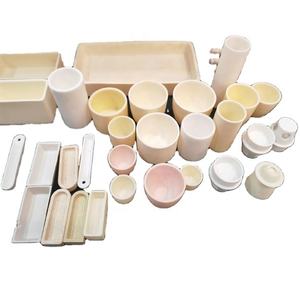
Specifications of Limestone Silica Sand Quartz Horizontal Ceramic Ball Mill
Specs of Limestone Silica Sand Quartz Horizontal Ceramic Round Mill
Layout and Building and construction
This straight ceramic sphere mill is developed for grinding sedimentary rock, silica sand, quartz, and similar tough products. The drum revolves on a horizontal axis and makes use of ceramic cellular lining to avoid contamination. All wetted components are made from high-purity alumina ceramic or wear-resistant materials. This ensures lengthy service life and tidy outcome.
Ability and Efficiency
The mill comes in numerous sizes with working volumes from 50 litres to 5,000 liters. It runs at rates in between 20 and 60 rpm, depending on the version. The rotation speed is flexible to match various material kinds and excellence requirements. Feed size must be under 10 mm. Final product can reach a fineness of 200 mesh or finer.
Drive System and Power
A typical electric motor powers the mill with an equipment reducer or belt drive. Motor power varies from 3 kW to 75 kW based on ability. The system includes overload protection and smooth start-up control. All electric parts fulfill worldwide safety and security requirements.
Sealing and Procedure
The mill features double mechanical seals or vibrant securing systems to maintain dust and wetness out. It sustains both completely dry and wet grinding procedures. Loading and discharging are done via committed ports. Optional functions consist of automatic feeding, discharge shutoffs, and temperature surveillance.
Applications
This ball mill is optimal for industries that require ultra-clean grinding. Typical usages consist of producing glass resources, ceramics, pigments, electronic powders, and refractory items. Its non-metallic building avoids iron contamination, which is essential for high-purity applications.
Setup and Upkeep
The device is mounted on a steel structure for easy installment. Routine upkeep includes examining seals, lubricating bearings, and examining ceramic linings for wear. No unique tools are required for many solution tasks. Extra parts are conveniently offered.
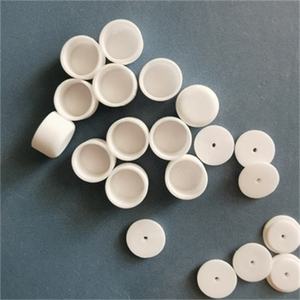
Applications of Limestone Silica Sand Quartz Horizontal Ceramic Ball Mill
Applications of Sedimentary Rock, Silica Sand, and Quartz in Horizontal Ceramic Sphere Mills
Why Make Use Of a Horizontal Ceramic Ball Mill?
A straight ceramic round mill is built for grinding difficult materials. It makes use of ceramic lining and grinding media to avoid metal contamination. This makes it suitable for refining pure, top notch minerals like limestone, silica sand, and quartz.
Limestone Processing
Limestone is widely made use of in building and construction, farming, and chemical sectors. In a ceramic ball mill, limestone is ground into fine powder without presenting iron or other steels. This pureness matters for items like concrete ingredients, dirt conditioners, and fillers in paints or plastics.
Silica Sand Refinement
Silica sand need to be spick-and-span for usage in glassmaking, foundry molds, and water filtration. The ceramic interior of the mill avoids discoloration and contaminations. As the sand topples within, it damages down uniformly right into regular grain dimensions. This uniformity boosts performance in end-use applications.
Quartz Grinding for High-Tech Uses
Quartz is necessary in electronics, solar panels, and fiber optics. Also small steel traces can destroy its performance. A straight ceramic sphere mill grinds quartz securely while keeping its chemical structure intact. The result is ultra-pure quartz powder suitable for innovative production.
The straight style allows constant feeding and continual operation. Material relocations efficiently with the drum, making certain even put on and constant output. Ceramic elements additionally resist deterioration and last longer than steel alternatives, especially when dealing with unpleasant or acidic materials.
Operators value these mills for their reliability and low upkeep. They run silently and produce less heat, which aids protect sensitive products. Whether you need fine powders for industrial usage or resources for specialized items, this kind of mill delivers tidy, effective grinding each time.

Company Profile
Synthetic-chemical focus on the research and development, production and sales of ceramic products, serving the electronics, ceramics, chemical and other industries. Since its establishment in 2015, the company has been committed to providing customers with the best products and services, and has become a leader in the industry through continuous technological innovation and strict quality management.
Our products includes but not limited to Aluminum Nitride, Aluminum Oxide, Boron Carbide, Boron Nitride, Ceramic Crucible, ect. If you are interested in any type of these, please feel free to contact us.

Payment Methods
T/T, Western Union, Paypal, Credit Card etc.
Shipment Methods
By air, by sea, by express, as customers request.
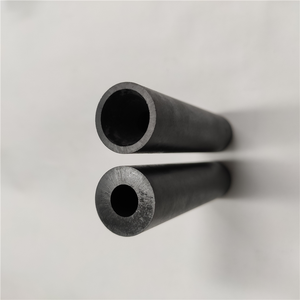
5 FAQs of Limestone Silica Sand Quartz Horizontal Ceramic Ball Mill
Frequently Asked Questions About Limestone Silica Sand Quartz Horizontal Ceramic Ball Mill
What materials can this ball mill process?
This horizontal ceramic ball mill works well with limestone, silica sand, quartz, and similar hard or brittle minerals. It grinds these materials into fine powders without adding metal impurities, thanks to its all-ceramic lining and grinding media.
Why choose a ceramic lining over steel?
Ceramic linings prevent contamination from metal wear. This is important when purity matters—like in glass, ceramics, or electronics production. Ceramic parts also resist corrosion and last longer when handling abrasive or acidic materials.
How does the horizontal design help?
The horizontal layout gives even grinding action and steady material flow. It allows for continuous feeding and discharge, which improves efficiency. This design also supports better control over particle size and reduces energy use.
Is maintenance difficult?
No. The machine has a simple structure with few moving parts. Ceramic components are durable and need little replacement. Regular checks on seals and bearings keep it running smoothly. Cleaning is easy because there are no hidden corners where powder can build up.
Can it handle large production volumes?
Yes. These mills come in different sizes to match your output needs. Whether you run small batches or full-scale operations, you can find a model that fits. The system runs quietly and reliably over long shifts with consistent results.
REQUEST A QUOTE
RELATED PRODUCTS
Vacuum Brazed Curved Chamfer Diamond Disc for Ceramic Marble Quartz
Vacuum Brazed Diamond Triangle Star Cup for Marble Ceramic Quartz
Factory Direct Casting Ceramic Refractory Glass Quartz Sand
250g Quartz Ceramic Crucible Bowl for Melting Gold and Silver
Refractory Gold Melting Quartz Fused Silica Ceramic Crucible Cup