Next-Generation Ceramics: Unlocking Superior Properties for Industry

Quartz Ceramic
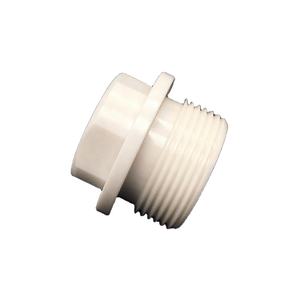
Factory Custom Alumina and Opaque Quartz Ceramic Crucible
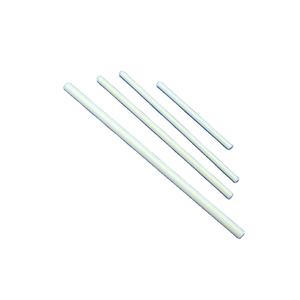
High Purity Fused Quartz for Ceramic Casting and Metallurgy
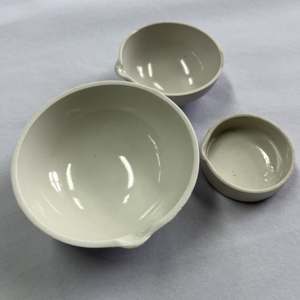
Custom White Ceramic Quartz Kitchen Sink Set
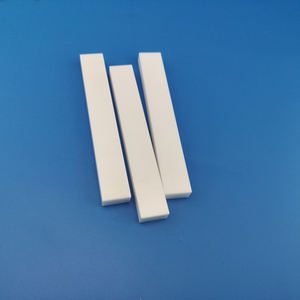
Modern Ceramic Tile and Quartz Stone Sample Display Case
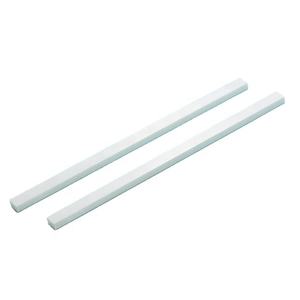
Quartz Ceramic Melting Dishes for Gold and Silver
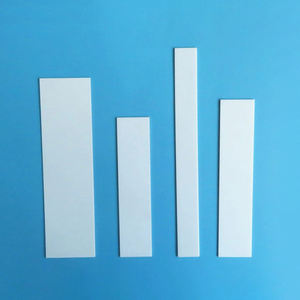
High Temperature Resistant Quartz Ceramic Crucible for Jewelry Making
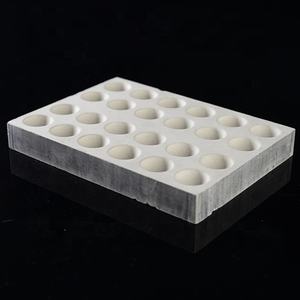
Quartz Ceramic Crucible and Melting Dish for Gold
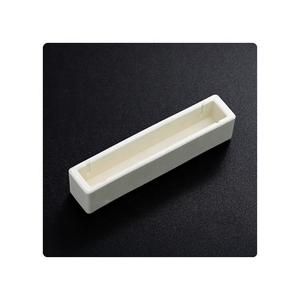
High Quality White Quartz Sand for Ceramic Decoration and Glass
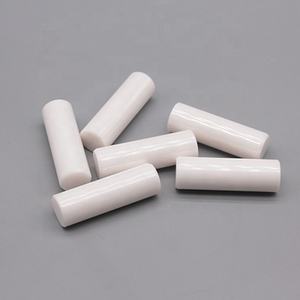
250g Quartz Ceramic Crucible Bowl for Melting Gold and Silver
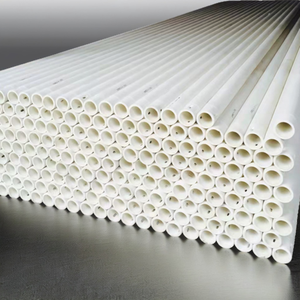
Quartz Silica Sand for the Ceramic Industry and Exporter
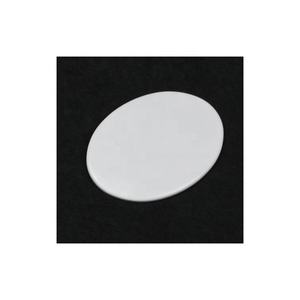
Piezoelectric Quartz Crystal Ceramic
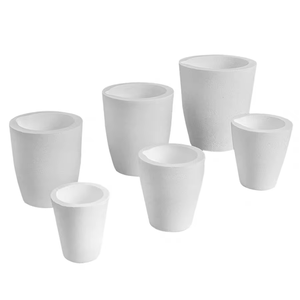
Quartz Ceramic Melting Dishes and Bowls for Platinum
Overview of Quartz Ceramic
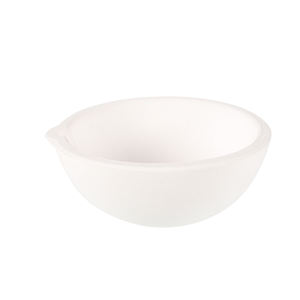
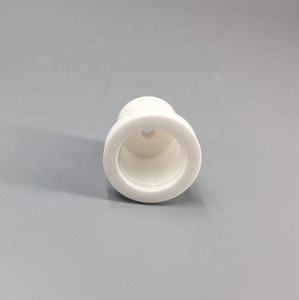
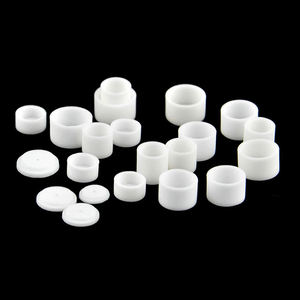
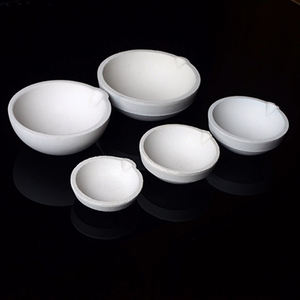
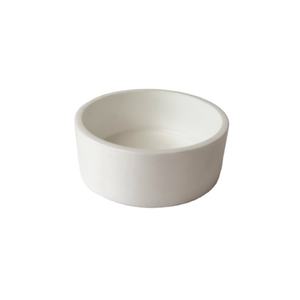
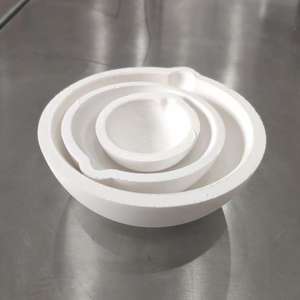
Quartz ceramic, also known as fused silica ceramic or silica glass ceramic, is a unique and advanced engineered material. It is produced by forming and sintering high-purity fused silica (amorphous silicon dioxide) into a fine-grained, completely crystalline structure. This process transforms the glassy state into a polycrystalline ceramic, marrying the best attributes of both worlds. Unlike traditional ceramics, it contains no binders or secondary crystalline phases, maintaining over 99% SiO2 purity. Its most defining characteristic is an extremely low, near-zero coefficient of thermal expansion, a property inherited from its fused silica precursor. This synthetic material is distinct from natural quartz crystal and conventional silicate ceramics, offering superior performance in extreme thermal environments. Developed initially for demanding aerospace applications, its combination of thermal stability, dielectric properties, and chemical inertness has made it a critical material in high-tech industries, bridging the gap between transparent fused silica glass and opaque, high-alumina ceramics.
Features of Quartz Ceramic
- Extremely low thermal expansion
- Exceptional thermal shock resistance
- High chemical purity and corrosion resistance
- Low thermal conductivity
- High service temperature (up to ~1250°C)
- Good electrical insulation
Applications of Quartz Ceramic
- Radomes and antenna windows
- Semiconductor industry fixtures (wafer boats, crucibles)
- Metal casting (foundry cores, risers)
- Kiln furniture and high-temperature furnace linings
- Laser and optical components
- Heat treatment fixtures
Company Profile
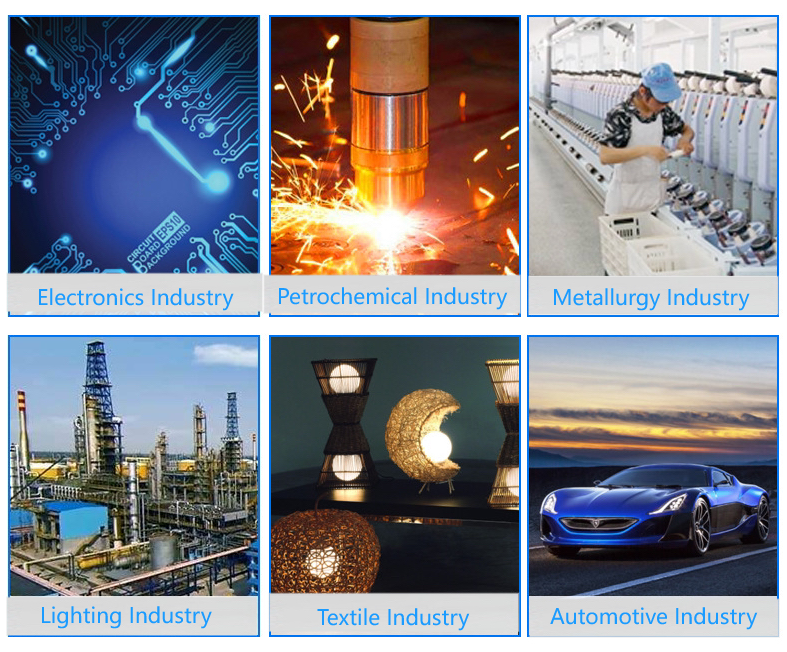
Synthetic-chemical focus on the research and development, production and sales of ceramic products, serving the electronics, ceramics, chemical and other industries. Since its establishment in 2015, the company has been committed to providing customers with the best products and services, and has become a leader in the industry through continuous technological innovation and strict quality management.
Our products includes but not limited to Aluminum Nitride, Aluminum Oxide, Boron Carbide, Boron Nitride, Ceramic Crucible, ect. If you are interested in any type of these, please feel free to contact us.
Payment Term
L/C, T/T, Western Union, Paypal, Credit Card etc.

Shipment Term
By sea, by air, by express, as customers request.
5 FAQs of Quartz Ceramic
- Is quartz ceramic the same as regular quartz? No, it's a polycrystalline ceramic material sintered from fused silica, not a single crystal like natural quartz.
- What is its maximum operating temperature? It can be used continuously up to approximately 1250°C in air.
- How does it handle thermal shock? It is exceptionally resistant due to its near-zero thermal expansion coefficient.
- Is it chemically resistant? Yes, it is highly resistant to acids and molten metals, but vulnerable to strong alkalis.
- Can it be machined? Yes, it can be precision machined into complex shapes in its pre-sintered state.