Next-Generation Ceramics: Unlocking Superior Properties for Industry

PRODUCT PARAMETERS
Description
Overview of Sintered Diamond Grinding Wheel for Ceramic Quartz Glass Chips
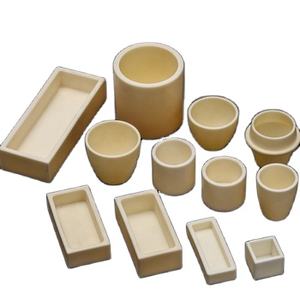
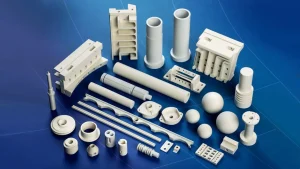
Quartz ceramics, also known as fused silica ceramics or re-bonded quartz products, are a high-performance advanced ceramic material. Unlike traditional clay-based ceramics, they are not made by sintering clay, but rather from high-purity fused silica (silicon dioxide, SiO₂) that is crushed, shaped, and then sintered at high temperatures.
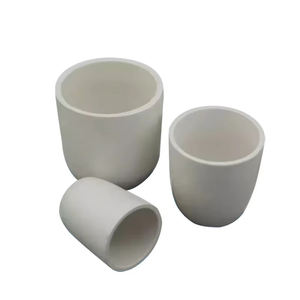
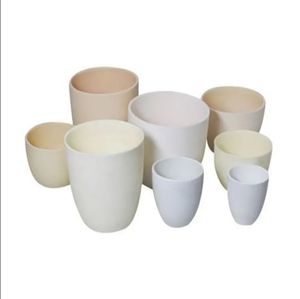
Their core appeal lies in their unique combination of the excellent properties of fused silica glass (such as extremely low thermal expansion coefficient and excellent thermal shock stability) and the structural strength and versatility of ceramics (they can be made into crucibles, rollers, and irregularly shaped parts), overcoming the limitations of fused silica glass in terms of difficulty in manufacturing large sizes and complex shapes, and its high cost.
Quartz ceramics perform exceptionally well in harsh environments involving high temperatures, rapid temperature changes, and chemical corrosion, and are widely used in solar photovoltaics (crucibles for polycrystalline silicon ingot furnaces), semiconductors, aerospace, metallurgy and casting, the glass industry, and laboratories.
Main Characteristics of Sintered Diamond Grinding Wheel for Ceramic Quartz Glass Chips
Excellent Thermal Shock Stability: They have an extremely low thermal expansion coefficient, generating almost no thermal stress during rapid temperature changes, and can withstand rapid cooling from extremely high temperatures to room temperature without cracking.
Extremely High Temperature Resistance and Thermal Stability: They can be used continuously at temperatures of 1100°C – 1350°C, and can even withstand higher temperatures for short periods. They do not soften or deform at high temperatures and maintain good dimensional stability.
Excellent Chemical Inertness and Corrosion Resistance: Except for hydrofluoric acid and hot concentrated phosphoric acid, they have strong resistance to most acids, salt solutions, and molten metals (such as aluminum, copper, gold, silver, and platinum), making them ideal melting and containment vessels.
Low Thermal Conductivity and Good Electrical Insulation: They have low thermal conductivity, making them excellent thermal insulation materials. They also maintain good electrical insulation properties at high temperatures.
High Purity and Low Contamination Risk: Made from high-purity quartz sand, they do not contaminate the high-purity molten metals or semiconductor materials they come into contact with, ensuring process cleanliness.
Moderate Mechanical Strength: Compared to most engineering ceramics, their mechanical strength at room temperature is relatively low; they are brittle materials. However, their strength is sufficient under their designed operating conditions (high-temperature insulation, thermal shock resistance). Its strength can be improved by optimizing the formula and manufacturing process.
Specifications of Sintered Diamond Grinding Wheel for Ceramic Quartz Glass Chips
Sintered Diamond Grinding Wheel for Ceramic, Quartz, and Glass Chips
Key Specs
This sintered ruby grinding wheel is constructed for accuracy service difficult, brittle products like ceramic, quartz, and glass chips. The wheel uses high-grade artificial diamond grit bound through a high-temperature sintering procedure. This produces a solid, long lasting structure that holds up under heavy use.
Grit Dimension: Available in dimensions from 80 # to 600 #. Finer grits (400 #– 600 #) provide smooth coatings. Coarser grits (80 #– 220 #) eliminate product much faster.
Bond Kind: Metal bond. This bond uses superb wear resistance and maintains the ruby fragments strongly in position throughout hostile grinding.
Wheel Measurements: Criterion outer sizes range from 50 mm to 200 mm. Inner bore dimensions are usually 10 mm, 20 mm, or 30 mm. Custom-made sizes can be made upon demand.
Optimum RPM: Varies by size. Smaller sized wheels (50– 100 mm) run securely up to 12,000 RPM. Larger wheels (150– 200 mm) are ranked for approximately 6,000 RPM. Always follow maker and safety guidelines.
Application Examples: Ideal for edge grinding, surface area progressing, and shaping of technological porcelains, fused quartz elements, optical glass items, and semiconductor substratums. Works well on CNC mills, hand-operated bench mills, and specialized glass-processing devices.
Coolant Usage: Wet grinding is suggested. Utilizing coolant minimizes warmth accumulation, stops thermal breaking in sensitive materials, and extends wheel life. Dry grinding is possible but might shorten tool life and influence surface quality.
Efficiency Notes: The sintered structure makes certain regular reducing action over time. Unlike resin-bond wheels, this kind does not soften under warm. It maintains shape and intensity longer, which means less wheel modifications and even more stable outcomes.
Constantly match the wheel requirements to your equipment setup and material type. Correct installing and stabilizing are essential for risk-free, efficient operation.
Applications of Sintered Diamond Grinding Wheel for Ceramic Quartz Glass Chips
Applications of Sintered Diamond Grinding Tires for Porcelain, Quartz, and Glass Chips
Accuracy Grinding for Hard Materials
Sintered ruby grinding wheels are built to deal with the hardest products. They work well on ceramic, quartz, and glass chips– materials recognized for their hardness and brittleness. Standard grinding devices usually wear out fast or trigger splits. These ruby wheels stay sharp longer and provide tidy, precise outcomes.
Constant Performance in Production
In high-volume manufacturing, consistency matters. Sintered ruby wheels keep their form and reducing ability over futures. This implies less tool changes and less downtime. Operators obtain trustworthy surface area coatings without continuous modifications. The bond structure holds rubies securely, so material elimination remains constant from beginning to end.
Handling Delicate Elements
Glass and quartz chips utilized in electronic devices or optics can not afford damaging or thermal damages. The sintered diamond wheel’s great grit and controlled aggression lower heat accumulation and micro-fractures. This secures the integrity of each component while satisfying tight resistance demands.
Adaptability Across Industries
These wheels serve many areas. In semiconductor manufacturing, they shape ceramic substrates. In screen manufacturing, they edge-grind slim glass panels. Labs use them to prepare quartz examples for analysis. Each application take advantage of the wheel’s resilience and accuracy.
Long Life, Low Cost per Component
Because sintered diamond wheels last longer than resin or metal-bond options, they reduced replacement expenses. Much less constant clothing and truing additionally conserve labor. Gradually, this decreases the expense for each ended up item– especially crucial when working with costly resources like optical glass or technological ceramics.
Engineered for effectiveness and reliability, sintered diamond grinding wheels turn tough materials into top notch parts with very little waste.

Company Profile
Synthetic-chemical focus on the research and development, production and sales of ceramic products, serving the electronics, ceramics, chemical and other industries. Since its establishment in 2015, the company has been committed to providing customers with the best products and services, and has become a leader in the industry through continuous technological innovation and strict quality management.
Our products includes but not limited to Aluminum Nitride, Aluminum Oxide, Boron Carbide, Boron Nitride, Ceramic Crucible, ect. If you are interested in any type of these, please feel free to contact us.

Payment Methods
T/T, Western Union, Paypal, Credit Card etc.
Shipment Methods
By air, by sea, by express, as customers request.
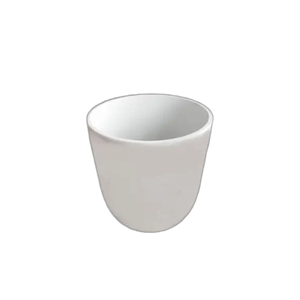
5 FAQs of Sintered Diamond Grinding Wheel for Ceramic Quartz Glass Chips
Frequently Asked Questions About Sintered Diamond Grinding Wheels for Ceramic, Quartz, and Glass
What materials can this grinding wheel work on?
This sintered diamond grinding wheel is made for hard, brittle materials. It works well on ceramic, quartz, and glass chips. The diamond particles stay sharp and cut smoothly without chipping the material.
Why choose a sintered diamond wheel over other types?
Sintered wheels bond diamonds into a metal matrix under high heat and pressure. This makes the wheel very strong and long-lasting. It holds its shape better than resin or electroplated wheels, especially during heavy or continuous use.
Does it need cooling during operation?
Yes. Always use water or coolant when grinding. Cooling keeps the wheel from overheating. It also helps remove debris and prevents cracks in the workpiece. Dry grinding may damage both the wheel and the material.
How long does the wheel last?
Life depends on usage, but sintered diamond wheels last much longer than standard abrasives. Because the diamonds are evenly distributed and firmly held, they wear slowly. With proper cooling and correct speed, one wheel can handle many jobs.
What speed should I run the wheel at?
Check the wheel’s label for the maximum safe RPM. Never go above that number. Most sintered diamond wheels for ceramics and glass work best at medium to high speeds. Too slow, and cutting becomes inefficient. Too fast, and you risk breaking the wheel or damaging your workpiece. Always follow the machine and wheel manufacturer’s guidelines.
REQUEST A QUOTE
RELATED PRODUCTS
Granite Line Polishing Machine for Stone Quartz Ceramic Porcelain
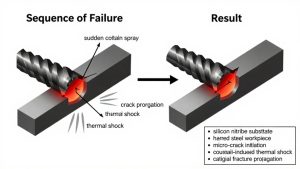
Factory Direct Casting Ceramic Refractory Materials Quartz Sand
High Quality Corrosion Resistant Quartz High Temperature Ceramic

New Automatic Ceramic Tile Marble Quartz Stone Pressing Forming Machine
Store Ceramic Tile Floor Display Rack Stone Sample Quartz Rack