Next-Generation Ceramics: Unlocking Superior Properties for Industry

PRODUCT PARAMETERS
Description
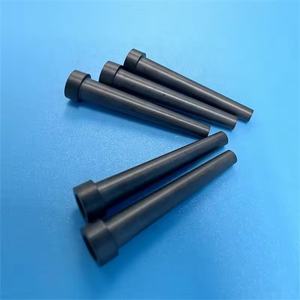
Overview of Ceramic Desulfurization Nozzle Silicon Carbide
Silicon Carbide (SiC) is a super-hard, synthetic ceramic material known for its outstanding thermal conductivity, exceptional wear resistance, and ability to maintain high strength at extreme temperatures. It excels in demanding mechanical, thermal, and corrosive environments where other materials fail.
Features of Ceramic Desulfurization Nozzle Silicon Carbide
- Exceptional Wear & Abrasion Resistance: Extremely hard and durable, ideal for severe wear applications.
- High Thermal Conductivity: Excellent heat dissipation, superior to most metals at high temperatures.
- Superior Chemical Resistance: Resists attack by acids, alkalis, and molten metals.
- High-Temperature Strength: Maintains mechanical strength up to 1650°C.
- Excellent Thermal Shock Resistance: Withstands rapid temperature changes far better than Alumina.
- Semiconducting Properties: Can be engineered as an electrical conductor or insulator.
Specification of Ceramic Desulfurization Nozzle Silicon Carbide
Specification of Ceramic Desulfurization Nozzle– Silicon Carbide
Material and Building
This desulfurization nozzle is made from high-purity silicon carbide (SiC). The material provides outstanding hardness, strong resistance to use, and outstanding thermal security. Each nozzle is developed through innovative sintering techniques. This guarantees a thick, uniform framework without any internal cracks or pores.
Efficiency Features
The nozzle provides constant spray patterns under high-pressure problems. It handles rough slurries and destructive flue gases without destruction. Its smooth inner surface area lowers clogging and keeps flow performance over long service periods. Running temperatures can reach up to 1,300 ° C without loss of architectural honesty.
Layout Information
Readily available in numerous spray angles– 60 °, 90 °, and 120 °– to fit different tower setups. The inlet connection complies with common pipe thread dimensions for simple installment. Wall surface thickness varies from 8 mm to 15 mm, relying on model size. All systems undergo stringent dimensional checks to assure accurate fit and alignment.
Applications
Strong efficiency makes this nozzle suitable for wet flue gas desulfurization (WFGD) systems in power plants, steel mills, and chemical handling facilities. It functions well with limestone or lime-based scrubbing options. The style supports both vertical and horizontal mounting positionings.
Life Span and Upkeep
Thanks to its robust ceramic construct, the nozzle lasts substantially longer than steel or polymer choices in extreme environments. Routine assessment is basic. Cleaning needs just water flushing or light cleaning. No unique devices are required for substitute.
Quality Assurance
Every set fulfills ISO 9001 criteria. Products are checked for stress tolerance, thermal shock resistance, and chemical direct exposure before delivery. Certifications of conformity and product examination records are provided upon demand.
Applications of Ceramic Desulfurization Nozzle Silicon Carbide
Applications of Ceramic Desulfurization Nozzle Made from Silicon Carbide
Why Silicon Carbide Functions Well in Flue Gas Cleaning
Nuclear power plant and commercial facilities melt gas that launch sulfur dioxide. This gas hurts the atmosphere. To minimize air pollution, they use flue gas desulfurization (FGD) systems. These systems need strong components that can deal with tough problems. That is where silicon carbide ceramic nozzles can be found in.
Silicon carbide is exceptionally tough and stands up to wear. It also deals with high temperatures without splitting. In FGD towers, nozzles spray a slurry– normally limestone combined with water– to catch sulfur dioxide. The slurry is rough. Steel nozzles break quickly. Plastic ones thaw or deform. Silicon carbide lasts a lot longer.
Where These Nozzles Are Used
These nozzles are common in coal-fired power plant. They likewise appear in waste-to-energy plants, steel mills, and chemical factories. Any type of area that creates acidic, hot, or sandy exhaust gases can gain from them.
Their smooth internal surface keeps flow constant. This helps develop penalty, even sprays. Better spray implies far better call between gas and slurry. That enhances sulfur elimination efficiency. Fewer obstructions happen as well, which reduces downtime for cleansing or substitute.
Maintenance costs drop because these nozzles rarely stop working. Operators do not need to close down systems as frequently. That saves money and maintains production running smoothly.
Silicon carbide nozzles likewise stand up to corrosion from acids created throughout desulfurization. Various other materials corrode over time. These stay undamaged. Their long service life makes them a wise option for extreme commercial setups.
Plants that switch over to silicon carbide nozzles typically see much more secure procedures. Spray patterns stay regular. System efficiency boosts. Workers spend much less time dealing with busted components. Every person benefits– from engineers to ecological supervisors.

Company Profile
Synthetic-chemical focus on the research and development, production and sales of ceramic products, serving the electronics, ceramics, chemical and other industries. Since its establishment in 2015, the company has been committed to providing customers with the best products and services, and has become a leader in the industry through continuous technological innovation and strict quality management.
Our products includes but not limited to Aluminum Nitride, Aluminum Oxide, Boron Carbide, Boron Nitride, Ceramic Crucible, ect. If you are interested in any type of these, please feel free to contact us.

Payment Methods
T/T, Western Union, Paypal, Credit Card etc.
Shipment Methods
By air, by sea, by express, as customers request.
5 FAQs of Ceramic Desulfurization Nozzle Silicon Carbide
Frequently Asked Questions About Ceramic Desulfurization Nozzles (Silicon Carbide)
What is a ceramic desulfurization nozzle made of?
These nozzles are made from silicon carbide (SiC). This material is very hard and resists wear. It also handles high temperatures well. That makes it ideal for tough flue gas desulfurization systems.
Why choose silicon carbide over other materials?
Silicon carbide lasts longer than metals or standard ceramics in corrosive environments. It does not rust. It also keeps its shape under heat and pressure. This means fewer replacements and lower maintenance costs.
Where are these nozzles used?
They are mainly used in power plants and industrial facilities. These places run flue gas desulfurization (FGD) systems to remove sulfur dioxide from exhaust gases. The nozzles spray liquid absorbents evenly inside scrubbers.
How do I install and maintain the nozzle?
Follow the manufacturer’s instructions carefully during installation. Make sure the alignment is correct and connections are tight. For maintenance, check regularly for clogs or surface damage. Clean with water or approved cleaning agents. Avoid using metal tools that could scratch the surface.
Can the nozzle handle high-pressure operations?
Yes. Silicon carbide nozzles are built to work under high pressure. They keep stable spray patterns even when system pressure changes. This helps maintain efficient desulfurization performance over time.
REQUEST A QUOTE
RELATED PRODUCTS
Ceramic Balls Silicon Carbide Ball for Bearings
Boron Carbide Silicon Carbide Ceramic Sand Blasting Nozzle

Silicon Carbide Ceramic Flat Membrane Made in China
Customized SSIC Silicon Carbide Ceramic Plate and Tiles
Customizable High Quality Black Silicon Carbide Ceramic Blasting Media