Next-Generation Ceramics: Unlocking Superior Properties for Industry

PRODUCT PARAMETERS
Description
Overview of High Temperature Resistance Silicon Carbide Ceramic Plate Part
Silicon Carbide (SiC) is a super-hard, synthetic ceramic material known for its outstanding thermal conductivity, exceptional wear resistance, and ability to maintain high strength at extreme temperatures. It excels in demanding mechanical, thermal, and corrosive environments where other materials fail.
Features of High Temperature Resistance Silicon Carbide Ceramic Plate Part
- Exceptional Wear & Abrasion Resistance: Extremely hard and durable, ideal for severe wear applications.
- High Thermal Conductivity: Excellent heat dissipation, superior to most metals at high temperatures.
- Superior Chemical Resistance: Resists attack by acids, alkalis, and molten metals.
- High-Temperature Strength: Maintains mechanical strength up to 1650°C.
- Excellent Thermal Shock Resistance: Withstands rapid temperature changes far better than Alumina.
- Semiconducting Properties: Can be engineered as an electrical conductor or insulator.
Specification of High Temperature Resistance Silicon Carbide Ceramic Plate Part
High-Temperature Resistance Silicon Carbide Porcelain Plate
Product and Efficiency
This plate is made from high-purity silicon carbide (SiC). It offers outstanding resistance to heat, wear, and deterioration. The product remains solid also at temperature levels above 1,600 ° C. It does not soften, warp, or split under extreme thermal anxiety. Its thermal conductivity is high, which helps spread out warmth equally and avoid locations.
Trick Includes
Resilience: Silicon carbide is just one of the hardest known porcelains. This makes the plate extremely resistant to abrasion and mechanical impact.
Thermal Stability: The plate maintains its shape and size throughout duplicated home heating and cooling cycles. Thermal development is very low.
Chemical Inertness: It resists attack from acids, alkalis, and molten metals. This guarantees long service life in rough chemical settings.
Accuracy Engineering: Each plate is made to limited resistances. Surface area finish and monotony meet commercial criteria for requiring applications.
Usual Applications
These plates are utilized in high-temperature heating systems, semiconductor handling equipment, and aerospace parts. They likewise work as wear-resistant linings in commercial equipment. In labs and study settings, they work as secure platforms for thermal testing. Their reliability makes them optimal for continuous operation in challenging conditions.
Technical Facts
– Thickness: ≥ 3.10 g/cm FIVE.
– Solidity (Vickers): ≥ 2,800 HV.
– Max. Continuous Use Temperature: 1,650 ° C in inert ambience.
– Thermal Conductivity: ~ 120 W/m · K at room temperature.
– Coefficient of Thermal Expansion: ~ 4.5 × 10 ⁻⁶/ ° C (25– 800 ° C).
The plate can be found in standard sizes and can be personalized to fit details designs. All devices go through stringent quality checks before shipping to ensure constant efficiency.
Applications of High Temperature Resistance Silicon Carbide Ceramic Plate Part
High-Temperature Silicon Carbide Porcelain Plates: Developed for Extreme Conditions
Unmatched Warmth Resistance
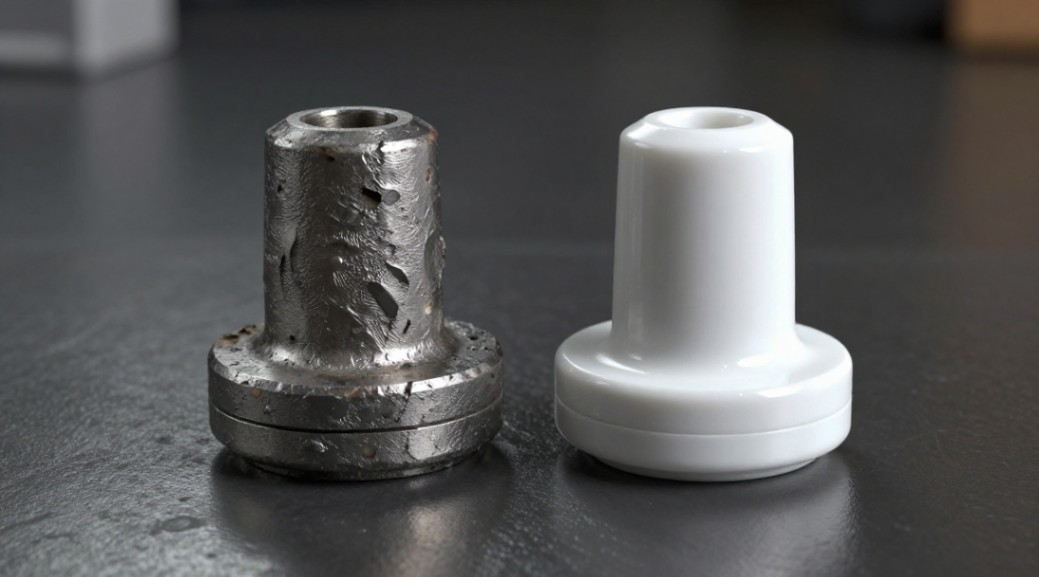
Silicon carbide ceramic plates deal with extremely heats without losing stamina. They remain stable also over 1,600 ° C. This makes them ideal where metals or basic ceramics would fail. Their framework does not warp, crack, or deteriorate under intense warmth.
Solid and Resilient Efficiency
These plates are very hard and withstand wear far better than most products. They additionally take on thermal shock– sudden temperature modifications do not harm them. In industrial settings, this means fewer replacements and less downtime.
Secret Applications Throughout Industries
In metallurgy, they sustain heater cellular linings and serve as setters for sintering trays. Their security ensures constant steel handling results. In the semiconductor sector, they function as wafer handling parts throughout high-temperature manufacture actions. Cleanliness and accuracy issue right here– and silicon carbide provides both.
For aerospace and defense, these plates shield sensitive components in jet engines and missile systems. They shield versus extreme warmth while remaining lightweight. In energy manufacturing, specifically in solar and nuclear fields, they operate as shielding or structural components inside activators and receivers. Their dependability helps maintain system safety and efficiency.
Why Pick Silicon Carbide?
Beyond heat resistance, these plates use exceptional chemical inertness. They do not react with acids, alkalis, or molten metals most of the times. This attribute expands their service life in corrosive settings. Their high thermal conductivity likewise helps spread warm evenly, reducing hot spots that might weaken various other materials.
Makers count on silicon carbide ceramic plates because they carry out consistently under pressure, warm, and time. Whether made use of in research labs or heavy market, they offer a reputable option where failing is not an alternative.

Company Profile
Synthetic-chemical focus on the research and development, production and sales of ceramic products, serving the electronics, ceramics, chemical and other industries. Since its establishment in 2015, the company has been committed to providing customers with the best products and services, and has become a leader in the industry through continuous technological innovation and strict quality management.
Our products includes but not limited to Aluminum Nitride, Aluminum Oxide, Boron Carbide, Boron Nitride, Ceramic Crucible, ect. If you are interested in any type of these, please feel free to contact us.

Payment Methods
T/T, Western Union, Paypal, Credit Card etc.
Shipment Methods
By air, by sea, by express, as customers request.
5 FAQs of High Temperature Resistance Silicon Carbide Ceramic Plate Part
Frequently Asked Questions About High-Temperature Resistance Silicon Carbide Ceramic Plates
What makes silicon carbide ceramic plates heat resistant?
These plates are made from pure silicon carbide. This material keeps its strength even at very high temperatures—up to 1600°C (2912°F). It does not melt, warp, or crack easily under extreme heat. That’s why it works well in furnaces and other hot environments.
Where are these ceramic plates commonly used?
You’ll find them in industrial kilns, semiconductor manufacturing tools, aerospace parts, and metal processing equipment. They also serve as supports or insulators in high-heat zones where regular metals or ceramics would fail.
Are silicon carbide plates brittle?
Yes, like most ceramics, they can break if hit hard or dropped. But they are much tougher than many other ceramic types. Their strong atomic bonds give them good resistance to thermal shock and mechanical stress—just handle them with care during installation.
Do these plates resist chemical corrosion?
Yes. Silicon carbide stands up well against acids, alkalis, and molten metals. It stays stable in harsh chemical settings. This makes it ideal for use in chemical processing plants or waste incineration systems.
How long do these plates last?
Their lifespan depends on operating conditions. In steady high-heat environments with no sudden temperature swings or physical impacts, they can last for years. Regular inspection helps catch any small cracks early. Replace them only when performance drops or damage appears.
REQUEST A QUOTE
RELATED PRODUCTS
Excellent Wear Resistant Silicon Carbide Ceramic Strips
Combination of Reaction Sintered Silicon Carbide Ceramic Components
Ceramic Fiber Disc s Produce Silicon Carbide Disc
High Performance Silicon Carbide Ceramic Crucible Dish
Refractory Silicon Carbide Ceramic Beam