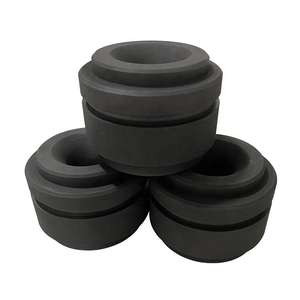
Next-Generation Ceramics: Unlocking Superior Properties for Industry

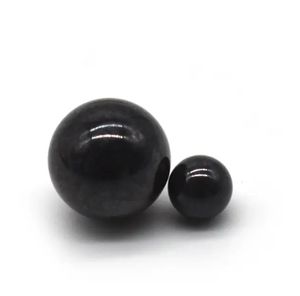
PRODUCT PARAMETERS
Description
Overview of High Temperature Resistant Silicon Carbide Ceramic Plate
Silicon Carbide (SiC) is a super-hard, synthetic ceramic material known for its outstanding thermal conductivity, exceptional wear resistance, and ability to maintain high strength at extreme temperatures. It excels in demanding mechanical, thermal, and corrosive environments where other materials fail.
Features of High Temperature Resistant Silicon Carbide Ceramic Plate
- Exceptional Wear & Abrasion Resistance: Extremely hard and durable, ideal for severe wear applications.
- High Thermal Conductivity: Excellent heat dissipation, superior to most metals at high temperatures.
- Superior Chemical Resistance: Resists attack by acids, alkalis, and molten metals.
- High-Temperature Strength: Maintains mechanical strength up to 1650°C.
- Excellent Thermal Shock Resistance: Withstands rapid temperature changes far better than Alumina.
- Semiconducting Properties: Can be engineered as an electrical conductor or insulator.
Specification of High Temperature Resistant Silicon Carbide Ceramic Plate
High-Temperature Resistant Silicon Carbide Porcelain Plate
Product and Performance
This ceramic plate is made from high-purity silicon carbide. It offers superb resistance to warmth, wear, and corrosion. The product maintains its toughness also at temperature levels above 1,400 ° C. Thermal shock does not conveniently split or damage it. Its thermal conductivity is high, which assists spread out warmth uniformly across the surface area.
Trick Features
Severe heat tolerance: Functions dependably in continuous high-temperature settings up to 1,600 ° C in inert ambiences.
Reduced thermal development: Increases really little when warmed, decreasing tension and distortion during rapid temperature changes.
High hardness and tightness: Stands up to scraping, abrasion, and deformation under heavy tons.
Chemical security: Stays untouched by many acids, antacid, and molten metals, making it ideal for severe industrial settings.
Usual Applications
These plates are extensively made use of in furnace elements, kiln furniture, semiconductor handling equipment, and aerospace components. They likewise offer well as wear-resistant linings, burner nozzles, and warm exchangers. Industries like metallurgy, glass manufacturing, and energy depend on them for trustworthy performance under challenging conditions.
Technical Details
Regular density varieties from 3.05 to 3.15 g/cm THREE. Flexural toughness exceeds 350 MPa. Compressive stamina is over 2,000 MPa. Porosity is maintained listed below 2% to ensure structural stability and resistance to liquid penetration. Surface surface can be tailored based on application needs– alternatives consist of ground, washed, or refined surface areas.
Makers produce these plates in various sizes and thicknesses. Customized forms and tight dimensional resistances are available upon request. Each set goes through strict quality assurance to fulfill international requirements for efficiency and integrity.
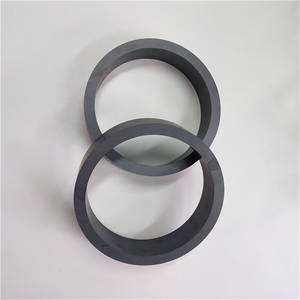
Applications of High Temperature Resistant Silicon Carbide Ceramic Plate
Applications of High-Temperature Resistant Silicon Carbide Porcelain Plate
Industrial Furnace Elements
Silicon carbide ceramic plates handle severe warm without buckling or cracking. Manufacturing facilities use them as kiln shelves, heater nozzles, and assistance beam of lights inside high-temperature heaters. These parts stay strong even after lengthy direct exposure to temperature levels over 1,400 ° C. Their stability assists maintain regular item high quality during metal spreading, glass forming, and ceramic sintering.
Aerospace and Defense Solutions
Airplane and rocket systems need materials that make it through intense thermal tension. Solid silicon carbide plates function as thermal barrier, nose cones, and engine parts. They resist oxidation and maintain their shape under quick home heating and cooling down cycles. This makes them optimal for components that face straight fire or re-entry rubbing.
Semiconductor Manufacturing
Clean, secure surface areas are essential in chip production. Silicon carbide ceramic plates act as wafer dealing with trays and chamber linings in diffusion and etching tools. They do not release bits or gases when heated up. Their smooth surface stops contamination, which protects fragile microcircuits during fabrication.
Power and Power Generation
In coal gasification and nuclear reactors, tools has to endure severe chemical and thermal problems. These ceramic plates line reactors, support catalyst beds, and type protective barriers around sensing units. They use lengthy life span with very little maintenance, minimizing downtime and replacement prices.
Wear-Resistant Tools
Beyond warm resistance, silicon carbide is extremely difficult. Mining, concrete, and slurry processing plants utilize these plates as liners for chutes, hoppers, and pumps. They withstand constant abrasion from sand, rock, and other rugged materials. This toughness cuts wear-related failings and increases operational performance.

Company Profile
Synthetic-chemical focus on the research and development, production and sales of ceramic products, serving the electronics, ceramics, chemical and other industries. Since its establishment in 2015, the company has been committed to providing customers with the best products and services, and has become a leader in the industry through continuous technological innovation and strict quality management.
Our products includes but not limited to Aluminum Nitride, Aluminum Oxide, Boron Carbide, Boron Nitride, Ceramic Crucible, ect. If you are interested in any type of these, please feel free to contact us.

Payment Methods
T/T, Western Union, Paypal, Credit Card etc.
Shipment Methods
By air, by sea, by express, as customers request.
5 FAQs of High Temperature Resistant Silicon Carbide Ceramic Plate
Frequently Asked Questions About High-Temperature Resistant Silicon Carbide Ceramic Plates
What makes silicon carbide ceramic plates heat resistant?
Silicon carbide has a very strong atomic structure. This lets it stay stable at high temperatures. Most plates can handle heat up to 1600°C without cracking or deforming.
Where are these ceramic plates used?
They are common in industries like metal processing, aerospace, and semiconductor manufacturing. You’ll find them in furnaces, kilns, and as protective shields in high-heat environments.
How do they compare to regular ceramics?
Regular ceramics often break under sudden temperature changes. Silicon carbide plates resist thermal shock much better. They also last longer and stay strong even when hot.
Are they safe for repeated heating and cooling?
Yes. These plates handle repeated heating and cooling cycles well. Their low thermal expansion means they expand and shrink very little. This reduces stress and prevents cracks over time.
Do they need special handling or maintenance?
Not really. Just avoid sharp impacts during installation. Once in place, they require little upkeep. Clean them with dry air or soft brushes. Never use water on hot plates—it can cause damage.
REQUEST A QUOTE
RELATED PRODUCTS
Whole Refractory Silicon Carbide Ceramic Thin Plate
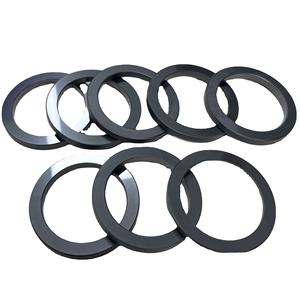
Mirror Polished Silicon Carbide Ceramic Plate for Precision Applications
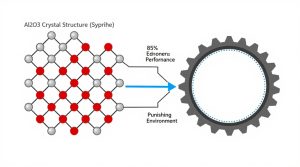
Silicon Carbide Ceramic Batts Beam Tube Roller Pipe
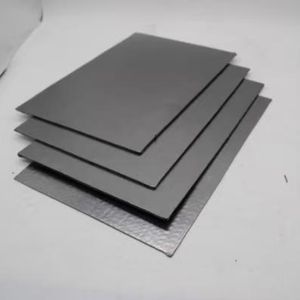
High Quality High Temperature Resistant Silicon Carbide Ceramic Plate
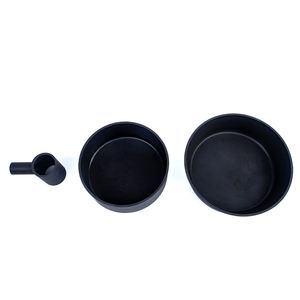
Silicon Carbide Ceramic Bushing Mechanical Seal Ring