Next-Generation Ceramics: Unlocking Superior Properties for Industry

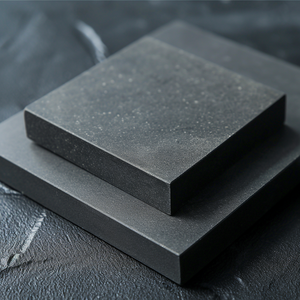
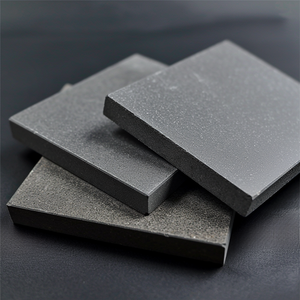
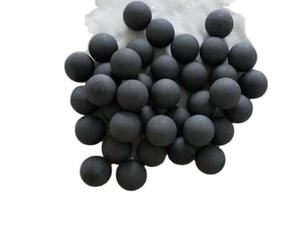
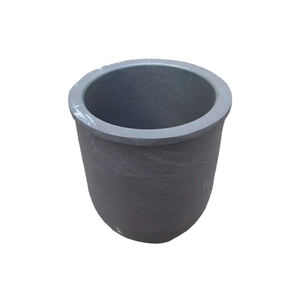
Silicon Carbide Ceramic
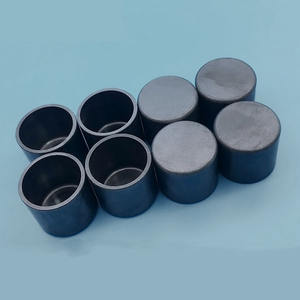
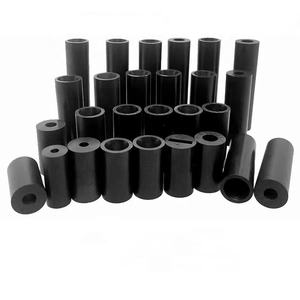
Silicon Carbide Ceramic Reaction Sintering Structural Rods and Parts
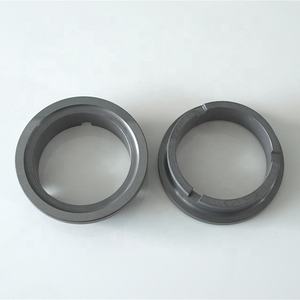
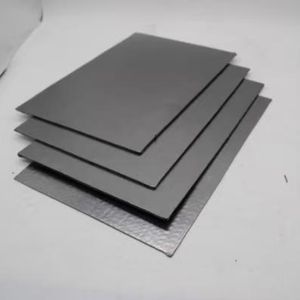
Silicon Carbide Ceramic Flat Sheet Membrane for Water Treatment
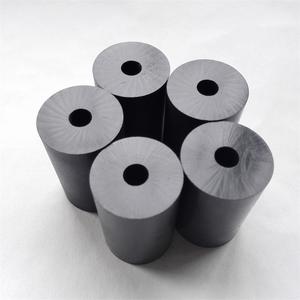
Refractory Nitride Bonded Silicon Carbide Ceramic Kiln Shelf Plate
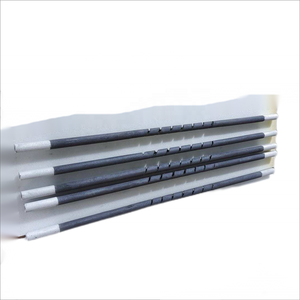
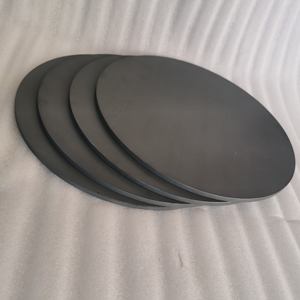
Refractory Silicon Carbide Ceramic Batts Plate for Kiln Applications
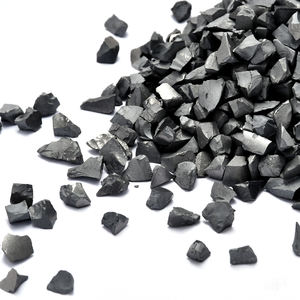
Hexagon Silicon Carbide Ceramic Sheet Factory for Industrial Use
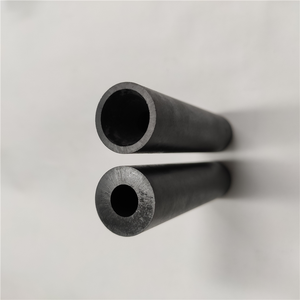
Silicon Carbide Ceramic Armor Plate for Physical Protection Applications
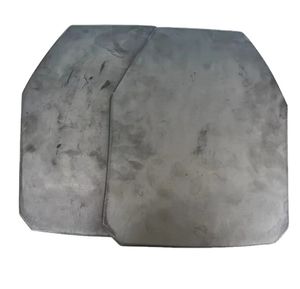
Industrial Furnace Accessory Silicon Carbide Ceramic Plate Refractory
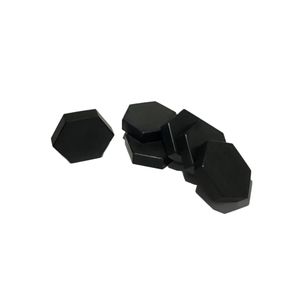
High Impact Resistance Silicon Carbide Ceramic Rectangle Block for
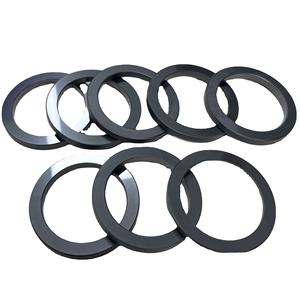
Fish Shape Silicon Carbide Ceramic Setter Plate for Firing Dishware
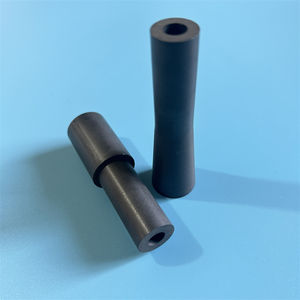
RBSIC SISIC Silicon Carbide Ceramic Screw Thread Tube and Roller
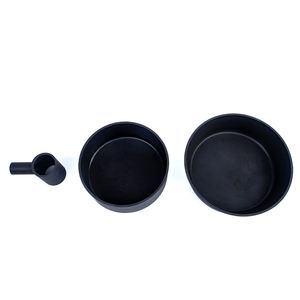
Customized Silicon Carbide Ceramic Plate and Kiln Shelves Setter Batts
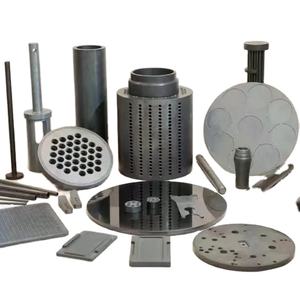
Acid Resistant Silicon Carbide Ceramic Microfiltration Membrane Filter
Overview of Silicon Carbide Ceramic
Silicon carbide (SiC) ceramic is a synthetic, ultra-hard material composed of silicon and carbon. Known for its exceptional durability, it is produced through high-temperature processes like sintering or chemical vapor deposition (CVD). Its unique atomic structure provides a combination of properties unmatched by many other technical ceramics.
Features of Silicon Carbide Ceramic
- Exceptional Hardness: One of the hardest materials, surpassed only by diamonds and boron carbide.
- High Thermal Conductivity: Efficiently dissipates heat, superior to many metals.
- Excellent Thermal Shock Resistance: Withstands rapid temperature changes without cracking.
- Superior Chemical Inertness: Resists corrosion from acids, alkalis, and molten metals.
- High Strength & Stiffness: Maintains mechanical properties at extremely high temperatures (up to ~1650°C).
- Low Thermal Expansion: Minimal dimensional change with temperature variation.
- Wear & Abrasion Resistance: Excellent for components subject to sliding or particulate erosion.
Applications of Silicon Carbide Ceramic
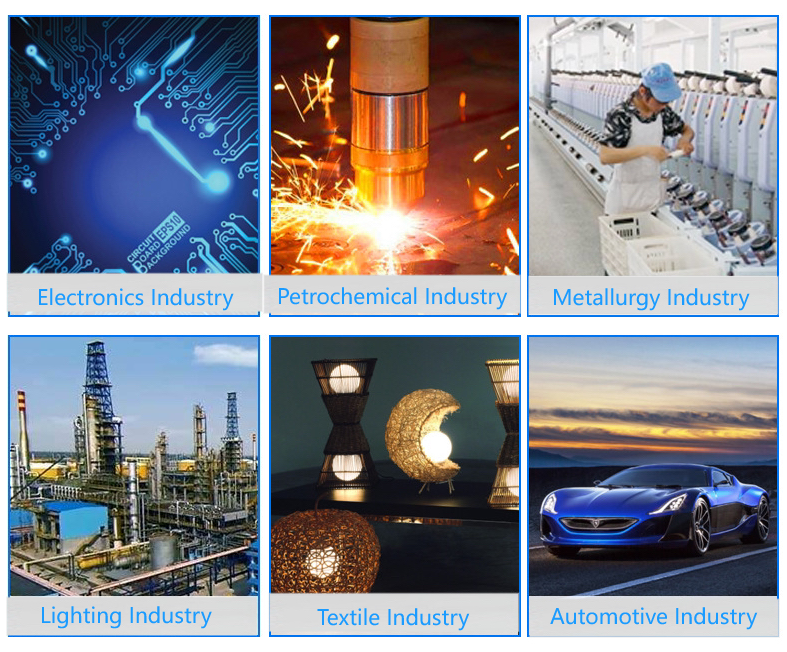
- Industrial: Seal faces, bearings, pump components, kiln furniture, spray nozzles, and wear plates.
- Automotive: Brake discs, clutches, and ceramic matrix composites for high-performance engines.
- Energy & Environmental: Heat exchangers, catalyst supports, and components for solar and nuclear systems.
- Aerospace & Defense: Lightweight armor plates, turbine components, and mirror substrates for optics.
- Electronics: Semiconductor wafer processing equipment, high-power LED substrates, and key components for the EV industry.
- Abrasives: Cutting tools, grinding wheels, and sandpaper.
Company Profile
Synthetic-chemical focus on the research and development, production and sales of ceramic products, serving the electronics, ceramics, chemical and other industries. Since its establishment in 2015, the company has been committed to providing customers with the best products and services, and has become a leader in the industry through continuous technological innovation and strict quality management.
Our products includes but not limited to Aluminum Nitride, Aluminum Oxide, Boron Carbide, Boron Nitride, Ceramic Crucible, ect. If you are interested in any type of these, please feel free to contact us.

Payment Term
L/C, T/T, Western Union, Paypal, Credit Card etc.

Shipment Term
By sea, by air, by express, as customers request.
5 FAQs of Silicon Carbide Ceramic
1. Is silicon carbide the same as carbide?
No. "Carbide" typically refers to tungsten carbide (a metal-ceramic composite), while silicon carbide is a non-oxide ceramic of silicon and carbon with different properties.
2. How does silicon carbide compare to alumina ceramic?
SiC is significantly harder, stronger, and has higher thermal conductivity than alumina (Al₂O₃). It is better for extreme wear and high-heat flux applications but is generally more expensive and more difficult to machine.
3. Can silicon carbide ceramics be machined?
Yes, but only with great difficulty. It requires diamond grinding tools due to its extreme hardness. Near-net-shape forming during manufacturing is preferred.
4. What are its limitations?
Its primary drawbacks are low fracture toughness (brittleness) compared to metals and high cost. It can be susceptible to impact or sudden point loading.
5. Is silicon carbide ceramic conductive?
It is a semiconductor. Its electrical conductivity can vary with temperature and the presence of impurities, but it is generally not an electrical insulator like alumina.