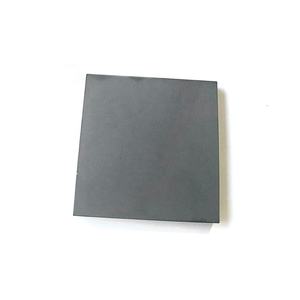
Next-Generation Ceramics: Unlocking Superior Properties for Industry

PRODUCT PARAMETERS
Description
Overview of Porous Ceramic Foam Filter Plate Silicon Carbide
Silicon Carbide (SiC) is a super-hard, synthetic ceramic material known for its outstanding thermal conductivity, exceptional wear resistance, and ability to maintain high strength at extreme temperatures. It excels in demanding mechanical, thermal, and corrosive environments where other materials fail.
Features of Porous Ceramic Foam Filter Plate Silicon Carbide
- Exceptional Wear & Abrasion Resistance: Extremely hard and durable, ideal for severe wear applications.
- High Thermal Conductivity: Excellent heat dissipation, superior to most metals at high temperatures.
- Superior Chemical Resistance: Resists attack by acids, alkalis, and molten metals.
- High-Temperature Strength: Maintains mechanical strength up to 1650°C.
- Excellent Thermal Shock Resistance: Withstands rapid temperature changes far better than Alumina.
- Semiconducting Properties: Can be engineered as an electrical conductor or insulator.
Specification of Porous Ceramic Foam Filter Plate Silicon Carbide
Specification of Porous Ceramic Foam Filter Plate– Silicon Carbide
Product and Framework
This filter plate is made from high-purity silicon carbide (SiC). The material offers the filter solid warm resistance and outstanding chemical stability. Its open-cell foam framework develops a consistent network of interconnected pores. This style permits liquified steel to move with efficiently while capturing impurities.
Pore Thickness
The filter can be found in basic pore thickness of 10, 20, 30, and 40 pores per inch (PPI). Each alternative equilibriums purification performance and flow rate. A reduced PPI supplies higher circulation with basic filtering. A greater PPI records better particles however reduces flow speed. Users can pick the right thickness based upon their spreading needs.
Physical Residences
Operating temperature level: approximately 1600 ° C (2912 ° F). Compressive strength: generally over 1.0 MPa.
Thermal shock resistance: great– appropriate for duplicated home heating and cooling down cycles.
Thickness: around 0.4– 0.7 g/cm FIVE, depending on PPI.
The light-weight nature makes dealing with easy without compromising longevity.
Applications
These filters are commonly used in shops for light weight aluminum, copper, and other non-ferrous steel spreadings. They aid eliminate oxides, slag, and various other strong additions from molten steel. Tidy metal brings about fewer casting problems and better surface area coating. The filters fit conventional putting systems and work well with both static and constant spreading arrangements.
Setup and Use
Area the filter plate safely in the gating system before pouring. Preheat it to match the metal temperature level. This action prevents thermal shock and guarantees regular efficiency. Always examine the filter for fractures or damages prior to use. Replace after each put cycle to keep quality assurance.
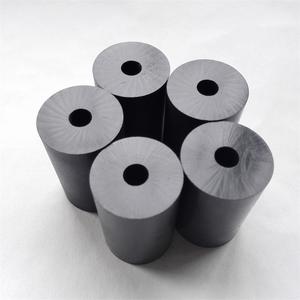
Applications of Porous Ceramic Foam Filter Plate Silicon Carbide
Applications of Porous Porcelain Foam Filter Plate– Silicon Carbide
Metal Spreading Filtration
Silicon carbide ceramic foam filters are widely made use of in metal shops. They clean up liquified steel before it loads mold and mildews. These filters catch slag, oxides, and various other impurities. This brings about cleaner castings with less flaws. Factories utilize them for light weight aluminum, copper, and iron alloys. The filters manage high temperatures without damaging down.
High-Temperature Stability
These filters stay solid also at very high warmth. Silicon carbide maintains its shape and structure approximately 1600 ° C. That makes it suitable for continual casting and large-scale procedures. The material resists thermal shock. It does not crack when warm metal moves through it unexpectedly.
Attire Pore Structure
The foam has a constant network of open pores. This style enables smooth metal flow while obstructing unwanted bits. Individuals can pick different pore dimensions based upon their demands. Great pores catch tiny additions. Rugged pores allow much faster putting for thick areas.
Improved Item High Quality
Cleaner metal suggests far better surface coating and mechanical strength. Components made with filteringed system metal show much less porosity and less additions. This reduces scrap rates and revamp costs. Automotive and aerospace industries rely on this quality assurance step.
Easy Handling and Setup
The filters are available in typical shapes and sizes. Workers position them conveniently right into gating systems or pouring cups. They fit most existing setups without significant adjustments. The stiff framework stands up throughout handling and pouring.
Environment and Expense Benefits
Making use of these filters cuts waste and conserves power. Less faulty parts mean much less material loss. The filters themselves are inert and do not add impurities. With time, they help reduced general production costs while sustaining greener production techniques.

Company Profile
Synthetic-chemical focus on the research and development, production and sales of ceramic products, serving the electronics, ceramics, chemical and other industries. Since its establishment in 2015, the company has been committed to providing customers with the best products and services, and has become a leader in the industry through continuous technological innovation and strict quality management.
Our products includes but not limited to Aluminum Nitride, Aluminum Oxide, Boron Carbide, Boron Nitride, Ceramic Crucible, ect. If you are interested in any type of these, please feel free to contact us.

Payment Methods
T/T, Western Union, Paypal, Credit Card etc.
Shipment Methods
By air, by sea, by express, as customers request.
5 FAQs of Porous Ceramic Foam Filter Plate Silicon Carbide
Frequently Asked Questions About Porous Ceramic Foam Filter Plates (Silicon Carbide)
What is a porous ceramic foam filter plate made of?
These filter plates are made from silicon carbide. This material is strong and can handle high temperatures. It keeps its shape and performance even in harsh metal casting conditions.
Why use silicon carbide instead of other materials?
Silicon carbide has excellent thermal shock resistance. It does not crack easily when temperature changes fast. It also resists chemical reactions with molten metals. This makes it last longer and work better than many other ceramics.
How does the filter plate clean molten metal?
The plate has a network of tiny, connected pores. As molten metal flows through, solid impurities get trapped inside. This helps produce cleaner metal with fewer defects in the final cast product.
Can these filters be used for all types of metal?
They work well with non-ferrous metals like aluminum, copper, and their alloys. They are not usually used for iron or steel because those metals run at much higher temperatures that may damage the filter.
How do I install the filter plate correctly?
Place the filter securely in the pouring cup or runner system before casting. Make sure it fits tightly to avoid metal leaking around the edges. Preheat the filter gently to remove moisture and reduce thermal stress during use.
REQUEST A QUOTE
RELATED PRODUCTS
High Quality Customized Silicon Carbide Ceramic Ring Seal Rings

Silicon Carbide Ceramic Flat Membrane Made in China
Zirconia Alumina Sanding Ceramic Silicon Carbide
Heat Resistant Silicon Carbide Ceramic Tube Pipe Roller Rod for Kiln Furniture
Silicon Carbide Ceramic Foam for Corrosion Resistant Materials