Next-Generation Ceramics: Unlocking Superior Properties for Industry

PRODUCT PARAMETERS
Description
Overview of Refractory Ceramic Recrystallized Silicon Carbide Crucible
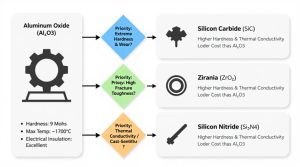
Silicon Carbide (SiC) is a super-hard, synthetic ceramic material known for its outstanding thermal conductivity, exceptional wear resistance, and ability to maintain high strength at extreme temperatures. It excels in demanding mechanical, thermal, and corrosive environments where other materials fail.
Features of Refractory Ceramic Recrystallized Silicon Carbide Crucible
- Exceptional Wear & Abrasion Resistance: Extremely hard and durable, ideal for severe wear applications.
- High Thermal Conductivity: Excellent heat dissipation, superior to most metals at high temperatures.
- Superior Chemical Resistance: Resists attack by acids, alkalis, and molten metals.
- High-Temperature Strength: Maintains mechanical strength up to 1650°C.
- Excellent Thermal Shock Resistance: Withstands rapid temperature changes far better than Alumina.
- Semiconducting Properties: Can be engineered as an electrical conductor or insulator.
Specification of Refractory Ceramic Recrystallized Silicon Carbide Crucible
Refractory Ceramic Recrystallized Silicon Carbide Crucible
Material and Structure
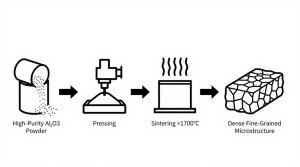
This crucible is made from recrystallized silicon carbide (RSiC). The material forms with high-temperature sintering above 2,200 ° C without binders or additives. This procedure creates a pure, dense framework with solid interlocking grains. The result is a crucible that withstands thermal shock and deals with extreme warm quite possibly.
Trick Includes
The crucible reveals outstanding thermal security . It works securely at constant temperature levels up to 1,650 ° C in oxidizing atmospheres and also higher in inert or decreasing conditions. Its reduced thermal development aids it survive quick home heating and cooling down cycles without cracking.
It likewise has high mechanical stamina at both area and elevated temperature levels. This makes it resilient throughout dealing with and usage. The smooth internal surface decreases sticking and reduces cleaning after each melt.
Chemical resistance is another strong point. The crucible does not respond easily with many liquified metals, slags, or destructive gases. This maintains the thaw clean and safeguards the crucible from wear.
Typical Applications
These crucibles are commonly utilized in factories, labs, and industrial melting operations. They function well for melting non-ferrous steels like light weight aluminum, copper, zinc, and precious metals. They additionally match high-purity applications such as semiconductor crystal development and specialty glass manufacturing. Their reliability makes them optimal for repeated use sought after settings.
Measurements and Customization
Requirement dimensions vary from small lab-scale crucibles (50 mL) to big commercial systems (over 20 liters). Wall surface thickness, height, and opening diameter can be changed based on customer demands. Each piece is carefully checked for splits, bending, or surface flaws before shipping.
Keep in mind : Constantly pre-heat the crucible gradually prior to first usage to avoid thermal stress and anxiety. Stay clear of unexpected temperature adjustments throughout procedure to prolong life span.
Applications of Refractory Ceramic Recrystallized Silicon Carbide Crucible
Applications of Recrystallized Silicon Carbide Crucibles
High-Temperature Metal Melting
Recrystallized silicon carbide (ReSiC) crucibles job well in metal melting. They handle very high temperatures without breaking down. Foundries use them to melt light weight aluminum, copper, zinc, and rare-earth elements like silver and gold. The material stands up to chemical assault from liquified metals. This suggests much less contamination and cleaner end products.
Glass and Ceramics Handling
Glass makers rely on ReSiC crucibles for melting and holding glass batches. The crucibles stay steady even when subjected to hostile glass melts. Their smooth surface aids protect against problems in the completed glass. In porcelains manufacturing, these crucibles sustain sintering and firing processes that need consistent warmth over extended periods.
Semiconductor and Solar Industries
In making silicon wafers for solar panels or electronic devices, pureness matters a whole lot. ReSiC crucibles provide exceptional thermal shock resistance and low contamination levels. They hold liquified silicon during crystal growth without including undesirable components. This makes them ideal for directional solidification and various other advanced casting approaches.
Laboratory and Study Use
Research laboratories pick ReSiC crucibles for experiments entailing severe warmth. They offer constant efficiency under repeated heating and cooling down cycles. Scientists utilize them to evaluate new materials or run high-temperature reactions safely. The crucibles’ longevity lowers the requirement for frequent substitutes.
Specialized Chemical Production
Some chemical processes require containers that won’t react with strong acids, bases, or liquified salts. ReSiC crucibles satisfy this need. They maintain their form and strength in harsh atmospheres. Manufacturing facilities utilize them to generate high-purity chemicals or specialized alloys where even little contaminations trigger huge troubles.

Company Profile
Synthetic-chemical focus on the research and development, production and sales of ceramic products, serving the electronics, ceramics, chemical and other industries. Since its establishment in 2015, the company has been committed to providing customers with the best products and services, and has become a leader in the industry through continuous technological innovation and strict quality management.
Our products includes but not limited to Aluminum Nitride, Aluminum Oxide, Boron Carbide, Boron Nitride, Ceramic Crucible, ect. If you are interested in any type of these, please feel free to contact us.

Payment Methods
T/T, Western Union, Paypal, Credit Card etc.
Shipment Methods
By air, by sea, by express, as customers request.
5 FAQs of Refractory Ceramic Recrystallized Silicon Carbide Crucible
Frequently Asked Questions About Recrystallized Silicon Carbide Crucibles
What is a recrystallized silicon carbide crucible?
This crucible is made from high-purity silicon carbide that has been heated to very high temperatures. During this process, the material forms a strong, dense structure without binders or additives. The result is a crucible that can handle extreme heat and harsh conditions.
Why choose recrystallized SiC over other types?
Recrystallized silicon carbide offers better thermal shock resistance than many other ceramics. It also has high strength at elevated temperatures and excellent chemical stability. These features make it ideal for melting metals like aluminum, copper, and precious alloys without reacting with the melt.
How long does this crucible last?
Lifespan depends on how you use it. If you follow proper heating and cooling procedures, avoid sudden temperature changes, and prevent mechanical impact, the crucible can last many cycles. Its durability comes from the pure, binder-free structure formed during recrystallization.
Can it be used in oxidizing atmospheres?
Yes, but only up to a point. Recrystallized SiC performs well in oxidizing environments below about 1,300°C (2,372°F). Above that temperature, oxidation may slowly degrade the surface. For best results, use it in neutral or inert atmospheres when working at very high temperatures.
Is special handling required?
Handle with care. Though strong, the crucible is still ceramic and can crack if dropped or struck. Always preheat slowly before full operation. Store in a dry place to avoid moisture absorption, which can cause issues during rapid heating. Use clean tools to prevent contamination of both the crucible and your melt.
REQUEST A QUOTE
RELATED PRODUCTS
High Strength Silicon Carbide Ceramic Tube Heat Exchanger
Dual Whetstone Set with Silicon Carbide Ceramic Abrasive
Customized Silicon Carbide Ceramic Liner for Heat Resistant Impact Parts
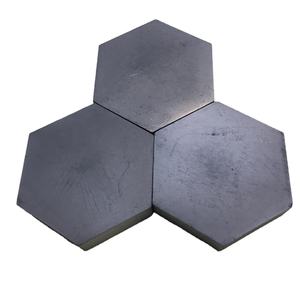
Customized Size Great Quality Silicon Carbide Ceramic Plate
China High Thermal Conductivity Silicon Carbide Ceramic