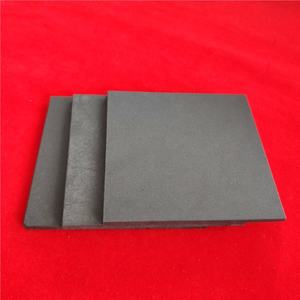
Next-Generation Ceramics: Unlocking Superior Properties for Industry

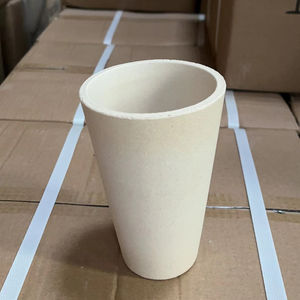
PRODUCT PARAMETERS
Description
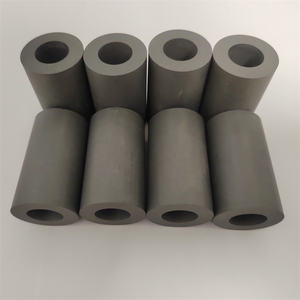
Overview of Silicon Carbide Industrial Ceramic Sinter High Temperature Elements
Silicon Carbide (SiC) is a super-hard, synthetic ceramic material known for its outstanding thermal conductivity, exceptional wear resistance, and ability to maintain high strength at extreme temperatures. It excels in demanding mechanical, thermal, and corrosive environments where other materials fail.
Features of Silicon Carbide Industrial Ceramic Sinter High Temperature Elements
- Exceptional Wear & Abrasion Resistance: Extremely hard and durable, ideal for severe wear applications.
- High Thermal Conductivity: Excellent heat dissipation, superior to most metals at high temperatures.
- Superior Chemical Resistance: Resists attack by acids, alkalis, and molten metals.
- High-Temperature Strength: Maintains mechanical strength up to 1650°C.
- Excellent Thermal Shock Resistance: Withstands rapid temperature changes far better than Alumina.
- Semiconducting Properties: Can be engineered as an electrical conductor or insulator.
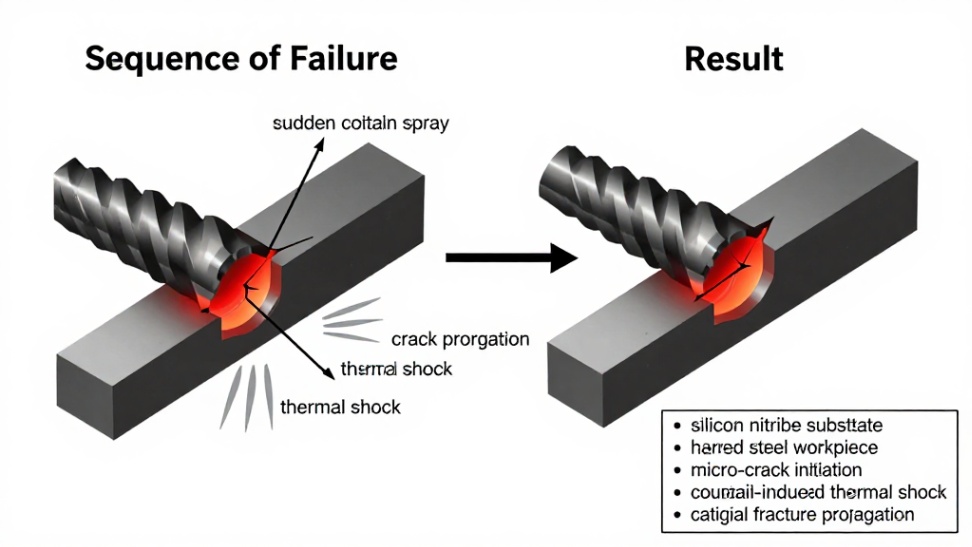
Specification of Silicon Carbide Industrial Ceramic Sinter High Temperature Elements
Spec of Silicon Carbide Industrial Ceramic Sinter High Temperature Components
Material and Building
These heating elements are made from high-purity silicon carbide (SiC) through a sintering process. The material provides outstanding thermal stability and mechanical toughness also at extreme temperature levels. Each component is created right into a strong rod or tube form with uniform density and consistent grain framework. This makes certain trustworthy performance popular industrial environments.
Temperature Capacity
Silicon carbide sintered elements can operate continuously at temperature levels up to 1,600 ° C in air. Temporary direct exposure might get to 1,650 ° C , relying on the heating system environment and lots problems. Their capability to stand up to rapid home heating and cooling down cycles makes them suitable for applications requiring constant temperature adjustments.
Electric Features
The aspects reveal steady electrical resistance over long periods of usage. Resistance boosts gradually with time as a result of oxidation, but this modification is predictable and workable via correct power control systems. Typical voltage rankings sustain usual industrial power supplies, and personalized configurations are offered upon demand.
Chemical and Environmental Resistance
These aspects resist oxidation well in air and neutral atmospheres. They likewise hold up against numerous destructive gases and vapors located in heat therapy, ceramic firing, and glass production processes. Nonetheless, they must not be utilized in lowering atmospheres or where solid antacid or hydrofluoric acid exist.
Installment and Handling
Handle with treatment– silicon carbide is hard yet weak. Constantly install elements straight and free from mechanical anxiety. Use ideal high-temperature insulators and mounting hardware. Stay clear of call with wetness during storage space, as it may impact performance during preliminary procedure.
Typical Applications
Normal uses include kilns for porcelains and refractories, warm treatment heaters, laboratory smother heaters, and glass melting devices. Their toughness and performance make them a preferred selection throughout numerous high-temperature industries.
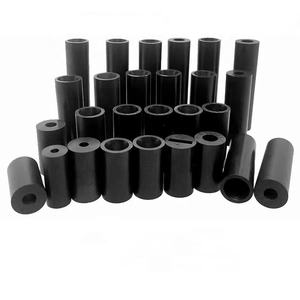
Applications of Silicon Carbide Industrial Ceramic Sinter High Temperature Elements
Applications of Silicon Carbide Industrial Ceramic Sinter Heat Aspects
High Efficiency in Extreme Warmth
Silicon carbide (SiC) industrial ceramic sinter components work well in very high temperatures. They keep their toughness and shape also when other materials start to stop working. This makes them excellent for demanding industrial environments where warmth resistance is vital.
Common Uses Throughout Industries
These components are commonly used in heat therapy heating systems. They act as home heating poles, assistance light beams, or safety tubes. In metal handling, they assist maintain secure temperature levels throughout annealing, hardening, or sintering procedures. Their capacity to manage fast temperature level modifications without splitting is a significant advantage.
In the ceramics and glass industries, silicon carbide parts line kilns and act as shelves or setters. They resist chemical rust from lusters and liquified glass. This extends devices life and minimizes maintenance prices.
The chemical and petrochemical sectors likewise rely upon these parts. They are utilized in reactors and combustion chambers where direct exposure to harsh chemicals and high warmth is routine. Silicon carbide’s inert nature prevents undesirable responses and makes sure procedure purity.
Why Select Silicon Carbide?
Long life span is just one of the greatest benefits. These components put on gradually, even under consistent thermal cycling. They also conduct warmth effectively, which conserves energy and improve procedure control.
An additional bottom line is dimensional stability. Unlike steels that broaden or warp under warmth, silicon carbide preserves limited tolerances. This integrity supports regular product high quality in precision manufacturing.
Because they do not corrosion or weaken quickly, these ceramic components reduced substitute regularity and downtime. Plants running 24/7 rely on this durability to keep production moving efficiently.

Company Profile
Synthetic-chemical focus on the research and development, production and sales of ceramic products, serving the electronics, ceramics, chemical and other industries. Since its establishment in 2015, the company has been committed to providing customers with the best products and services, and has become a leader in the industry through continuous technological innovation and strict quality management.
Our products includes but not limited to Aluminum Nitride, Aluminum Oxide, Boron Carbide, Boron Nitride, Ceramic Crucible, ect. If you are interested in any type of these, please feel free to contact us.

Payment Methods
T/T, Western Union, Paypal, Credit Card etc.
Shipment Methods
By air, by sea, by express, as customers request.
5 FAQs of Silicon Carbide Industrial Ceramic Sinter High Temperature Elements
Frequently Asked Questions About Silicon Carbide Industrial Ceramic Sinter High-Temperature Elements
What are silicon carbide heating elements made of?
These elements are made from high-purity silicon carbide powder. The powder is shaped and then sintered at very high temperatures. This process creates a dense, strong ceramic material that can handle extreme heat without breaking down.
Why choose silicon carbide over other heating materials?
Silicon carbide works well at high temperatures—up to 1600°C (2912°F). It resists oxidation and keeps its strength even when hot. Other materials may weaken or corrode faster. Silicon carbide also lasts longer in harsh industrial settings.
Where are these elements commonly used?
You’ll find them in kilns for ceramics, glass, and metal processing. They’re also used in heat treatment furnaces and semiconductor manufacturing. Any place needing stable, clean, and efficient high-temperature heat can benefit from them.
How long do silicon carbide heating elements last?
Their life depends on operating conditions like temperature, atmosphere, and duty cycle. In normal use, they often last several thousand hours. Avoid sudden temperature changes and chemical exposure to get the most out of them.
Do they need special installation or handling?
Yes. These elements are brittle, so handle them with care. Always follow the manufacturer’s instructions for mounting and electrical connections. Make sure they’re supported properly to prevent stress or breakage during heating cycles. Use compatible power supplies and controllers to avoid overheating.
REQUEST A QUOTE
RELATED PRODUCTS
Green Silicon Carbide Bench Grinding Wheel with Ceramic Bonding
Wear Resistant Silicon Carbide Ceramic Plunger Pipe and Sleeve
Refractory Recrystallized Silicon Carbide Ceramic Setter Plate
Tactical Ceramic Plate with Alumina Silicon Carbide
Ceramic Desulfurization Nozzle Silicon Carbide Spiral