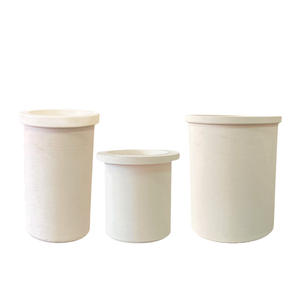
Next-Generation Ceramics: Unlocking Superior Properties for Industry

PRODUCT PARAMETERS
Description
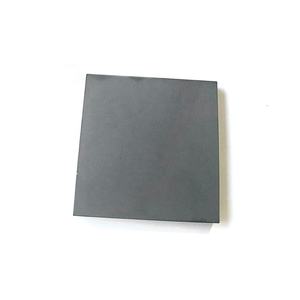
Overview of Silicon Carbide Tiles Special Components for Assembling Ceramic
Silicon Carbide (SiC) is a super-hard, synthetic ceramic material known for its outstanding thermal conductivity, exceptional wear resistance, and ability to maintain high strength at extreme temperatures. It excels in demanding mechanical, thermal, and corrosive environments where other materials fail.
Features of Silicon Carbide Tiles Special Components for Assembling Ceramic
- Exceptional Wear & Abrasion Resistance: Extremely hard and durable, ideal for severe wear applications.
- High Thermal Conductivity: Excellent heat dissipation, superior to most metals at high temperatures.
- Superior Chemical Resistance: Resists attack by acids, alkalis, and molten metals.
- High-Temperature Strength: Maintains mechanical strength up to 1650°C.
- Excellent Thermal Shock Resistance: Withstands rapid temperature changes far better than Alumina.
- Semiconducting Properties: Can be engineered as an electrical conductor or insulator.
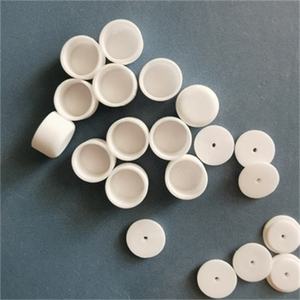
Specification of Silicon Carbide Tiles Special Components for Assembling Ceramic
Specification of Silicon Carbide Tiles– Special Parts for Putting Together Ceramic
Material Composition
Silicon carbide (SiC) creates the core of these ceramic tiles. Each tile includes over 95% pure SiC. The staying part includes sintering help that assist bond bits during production. This mix makes sure high toughness and thermal security.
Physical Features
These tiles reveal exceptional solidity, ranking near diamond on typical scales. Their thickness varies from 3.05 to 3.15 g/cm FIVE. Porosity remains below 2%, which lowers fluid absorption and boosts toughness. The coefficient of thermal growth is reduced, making the ceramic tiles immune to breaking under rapid temperature changes.
Thermal Efficiency
Operating temperatures rise to 1600 ° C in oxidizing settings. In inert environments, performance prolongs beyond 1800 ° C. Thermal conductivity stays high– generally in between 80 and 120 W/m · K– enabling reliable warm transfer. This function sustains regular performance in high-heat ceramic assembly processes.
Mechanical Strength
Flexural stamina measures 350– 450 MPa at area temperature level. Also at 1400 ° C, worths remain over 300 MPa. Compressive toughness exceeds 2000 MPa. These numbers ensure the tiles hold shape and feature under hefty mechanical loads during ceramic firing or handling.
Surface Area and Dimensional Accuracy
Floor tiles include ground or lapped surface areas for precise fit. Criterion monotony tolerance is ± 0.05 mm per 100 mm length. Side straightness and right-angle accuracy satisfy industrial-grade criteria. Custom sizes are offered, however common densities include 5 mm, 10 mm, and 15 mm.
Chemical Resistance
Silicon carbide floor tiles stand up to attack from many acids, antacid, and molten metals. They do not deteriorate in harsh chemical atmospheres normal in ceramic kilns. Oxidation resistance remains strong approximately their maximum service temperature level.
Application Notes
Make use of these floor tiles as setters, shelves, or support structures inside kilns. Their stability protects against bending of ceramic parts throughout firing. Constantly prevent abrupt thermal shocks during loading or unloading to maintain long life span.
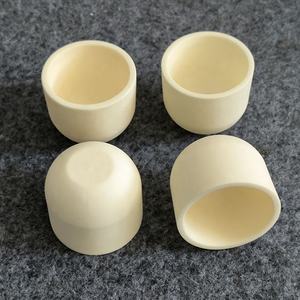
Applications of Silicon Carbide Tiles Special Components for Assembling Ceramic
Applications of Silicon Carbide Tiles in Ceramic Assembly
High-Performance Components for Demanding Environments
Silicon carbide ceramic tiles are unique components made use of when building premium ceramic systems. These tiles stand apart since they manage warmth, wear, and deterioration much better than many materials. Manufacturing facilities and labs choose them when regular porcelains fall short.
One essential use remains in heating system linings. The tiles shield internal walls from extreme temperature levels that can reach over 1,600 ° C. They maintain the framework stable and last longer than basic refractory blocks. This means fewer shutdowns and lower upkeep expenses.
One more usual role is as wear-resistant surface areas in product handling systems. Think about chutes, hoppers, or pipes that relocate abrasive powders or granules. Silicon carbide floor tiles line these areas to quit fast erosion. Their hardness minimizes substitute demands and keeps operations running smoothly.
In chemical handling, these ceramic tiles withstand assault from acids, antacid, and various other severe compounds. They function well in activators, scrubbers, and storage tanks where steel or conventional ceramic would weaken swiftly. Their inert nature ensures item pureness and system safety and security.
Thermal shock resistance makes them perfect for applications with abrupt temperature level changes. Unlike numerous ceramics that crack under stress, silicon carbide ceramic tiles remain intact. This trait is important in kilns, incinerators, and warmth exchangers.
Makers likewise make use of these ceramic tiles as precision spacers or sustains during ceramic sintering. Their dimensional stability at high warm assists preserve part shape and positioning. This leads to far better final product quality and less waste.
Overall, silicon carbide ceramic tiles bring integrity where efficiency matters most. Their mix of strength, thermal control, and chemical strength resolves tough engineering issues throughout many sectors.

Company Profile
Synthetic-chemical focus on the research and development, production and sales of ceramic products, serving the electronics, ceramics, chemical and other industries. Since its establishment in 2015, the company has been committed to providing customers with the best products and services, and has become a leader in the industry through continuous technological innovation and strict quality management.
Our products includes but not limited to Aluminum Nitride, Aluminum Oxide, Boron Carbide, Boron Nitride, Ceramic Crucible, ect. If you are interested in any type of these, please feel free to contact us.

Payment Methods
T/T, Western Union, Paypal, Credit Card etc.
Shipment Methods
By air, by sea, by express, as customers request.
5 FAQs of Silicon Carbide Tiles Special Components for Assembling Ceramic
Frequently Asked Questions About Silicon Carbide Tiles for Ceramic Assembly
What are silicon carbide tiles used for?
These tiles work as special parts when putting ceramic pieces together. They handle high heat and stay strong under pressure. People use them in kilns, furnaces, and other hot places where regular materials would break or wear out fast.
Why choose silicon carbide over other materials?
Silicon carbide lasts longer than most ceramics. It resists heat, chemicals, and sudden temperature changes. It also keeps its shape and strength even after repeated heating and cooling. That makes it a smart pick for tough jobs.
Can these tiles be customized?
Yes. You can get them in different sizes, thicknesses, and shapes. Just tell the supplier your needs. Custom tiles help fit tight spaces or match special equipment setups without extra cutting or waste.
How do I install silicon carbide tiles?
Place them carefully in your assembly setup. Make sure surfaces are clean and flat. Use proper ceramic adhesives or mechanical fixtures if needed. Avoid hammering or forcing them into place—silicon carbide is strong but can crack under sharp impact.
Do these tiles need special care?
Not much. Keep them dry before first use. After that, they clean up easily with a brush or air blast. Do not soak them in water for long periods. Store them in a dry spot when not in use to prevent any surface damage.
REQUEST A QUOTE
RELATED PRODUCTS
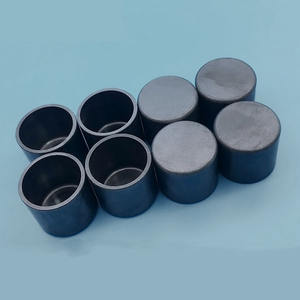
Refractory Silicon Carbide Ceramic Tube for Protection Applications
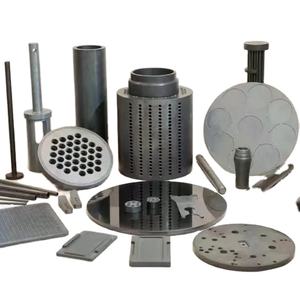
Long Fiber Silicon Carbide Coated Carbon Ceramic Disc for Automotive
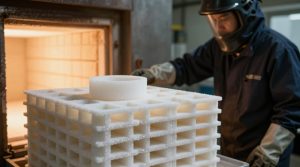
Customized Mirror Polished Silicon Carbide Ceramic Seal Ring

Wear Resistant Silicon Carbide Ceramic Grinding Rod
High Temperature Silicon Carbide Ceramic Plate for Oven Use