Next-Generation Ceramics: Unlocking Superior Properties for Industry

PRODUCT PARAMETERS
Description
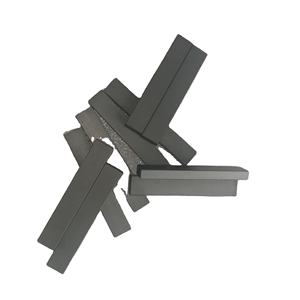
Overview of Tunnel Kiln Refractory Silicon Carbide Ceramic Batts
Silicon Carbide (SiC) is a super-hard, synthetic ceramic material known for its outstanding thermal conductivity, exceptional wear resistance, and ability to maintain high strength at extreme temperatures. It excels in demanding mechanical, thermal, and corrosive environments where other materials fail.
Features of Tunnel Kiln Refractory Silicon Carbide Ceramic Batts
- Exceptional Wear & Abrasion Resistance: Extremely hard and durable, ideal for severe wear applications.
- High Thermal Conductivity: Excellent heat dissipation, superior to most metals at high temperatures.
- Superior Chemical Resistance: Resists attack by acids, alkalis, and molten metals.
- High-Temperature Strength: Maintains mechanical strength up to 1650°C.
- Excellent Thermal Shock Resistance: Withstands rapid temperature changes far better than Alumina.
- Semiconducting Properties: Can be engineered as an electrical conductor or insulator.
Specification of Tunnel Kiln Refractory Silicon Carbide Ceramic Batts
Specification of Passage Kiln Refractory Silicon Carbide Porcelain Batts
Material Make-up and Structure
These ceramic batts are made from high-purity silicon carbide (SiC). The product is formed under high stress and fired at very high temperatures. This procedure creates a dense, solid structure with reduced porosity. The final product reveals superb resistance to thermal shock and chemical corrosion.
Key Efficiency Includes
High thermal conductivity: Warmth moves promptly with the batts. This aids preserve even temperatures inside the kiln.
Low thermal development: The batts expand very little when heated up. This minimizes anxiety throughout heating and cooling down cycles.
Solid mechanical stamina: They sustain hefty tons without bending or damaging, also at heats.
Long life span: Thanks to their stable structure, these batts last much longer than standard refractory items.
Regular Physical Characteristics
– SiC material: ≥ 90%.
– Obvious porosity: ≤ 12%.
– Mass thickness: 2.60– 2.70 g/cm SIX.
– Cold crushing stamina: ≥ 80 MPa.
– Thermal conductivity (at 1000 ° C): 25– 35 W/m · K.
– Maximum working temperature level: 1450 ° C.
Common Applications
These batts are utilized as kiln furnishings in tunnel kilns for firing technological ceramics, hygienic ware, tiles, and porcelain. Their stability and sturdiness make them excellent for constant high-temperature procedures. They help reduce energy use and improve item high quality by making sure constant warm distribution.
Modification Options
We provide common sizes and can generate custom dimensions based upon your kiln design. Density, length, and width can all be changed. Special forms or side designs are additionally offered upon demand. Each batch meets strict quality control criteria to ensure efficiency and reliability.
Applications of Tunnel Kiln Refractory Silicon Carbide Ceramic Batts
Applications of Tunnel Kiln Refractory Silicon Carbide Ceramic Batts
High-Temperature Support in Industrial Firing
Silicon carbide ceramic batts are commonly made use of in passage kilns for shooting porcelains, ceramic tiles, and sanitaryware. These batts work as solid, flat racks that hold products during the high-temperature firing procedure. They maintain things stable and equally spaced inside the kiln.
Outstanding Heat Resistance and Toughness
Made from high-purity silicon carbide, these batts manage temperature levels approximately 1,400 ° C without buckling or splitting. Their thick framework resists thermal shock. This suggests they remain intact even when kiln temperature levels transform swiftly. Users obtain long service life with marginal replacement demands.
Uniform Warm Circulation
The material performs heat well. This aids maintain constant temperature across the whole surface area of the batt. Products discharged on these racks show fewer flaws like warping or uneven polish. Manufacturers attain far better quality assurance and decrease waste.
Reduced Thermal Development
Silicon carbide increases very little when warmed. This maintains the batt dimensionally steady during repeated heating and cooling cycles. Stable measurements indicate less danger of product damages or kiln jamming. It also sustains smooth, constant procedure in computerized assembly line.
Chemical and Wear Resistance
These batts resist rust from glazes, fluxes, and other chemicals utilized in ceramic production. Their hard surface area withstands regular loading and discharging. Even after months of heavy use, they reveal little sign of wear or surface degradation.
Energy Effectiveness
Since they warm up and cool off quickly, silicon carbide batts help reduce cycle times. Less energy is required to reach target temperature levels. Manufacturing facilities save money on fuel prices and improve throughput without sacrificing product top quality.

Company Profile
Synthetic-chemical focus on the research and development, production and sales of ceramic products, serving the electronics, ceramics, chemical and other industries. Since its establishment in 2015, the company has been committed to providing customers with the best products and services, and has become a leader in the industry through continuous technological innovation and strict quality management.
Our products includes but not limited to Aluminum Nitride, Aluminum Oxide, Boron Carbide, Boron Nitride, Ceramic Crucible, ect. If you are interested in any type of these, please feel free to contact us.

Payment Methods
T/T, Western Union, Paypal, Credit Card etc.
Shipment Methods
By air, by sea, by express, as customers request.
5 FAQs of Tunnel Kiln Refractory Silicon Carbide Ceramic Batts
Frequently Asked Questions About Tunnel Kiln Refractory Silicon Carbide Ceramic Batts
What are silicon carbide ceramic batts used for?
These batts support products inside tunnel kilns during high-temperature firing. They hold items like tiles, sanitaryware, or technical ceramics without bending or breaking. Their strong structure keeps loads stable through long firing cycles.
Why choose silicon carbide over other refractory materials?
Silicon carbide handles heat better than most refractories. It stays strong at temperatures above 1300°C. It also resists thermal shock, so it won’t crack when the kiln heats up or cools down quickly. This means longer life and fewer replacements.
How long do these batts last in a tunnel kiln?
Life span depends on operating conditions. In normal use, they can last for thousands of cycles. Proper loading, even temperature control, and avoiding sudden cooling help extend their service time. Damaged or warped batts should be replaced right away to protect your products.
Can these batts warp or bend during use?
Yes, but only under stress or misuse. Overloading, uneven heating, or rapid temperature changes may cause warping. Using the correct size and load limits prevents this. High-quality silicon carbide batts are made to stay flat and stable under standard tunnel kiln conditions.
Are silicon carbide batts easy to maintain?
They need very little maintenance. After each cycle, just check for cracks or surface wear. Clean off any glaze drips or debris before reuse. Avoid hitting them with hard tools. With basic care, they perform reliably for a long time.
REQUEST A QUOTE
RELATED PRODUCTS
Sintered Silicon Carbide Ceramic Components Solid Slab Plate
Best Abrasive Cutting Disc with Silicon Carbide for Stone Ceramic
High Efficiency Customized Silicon Carbide Ceramic Plate Liner

High Wear Resistance Silicon Carbide Ceramic Brick Plate

Silicon Carbide Ceramic Impeller for Mud Pump and Slurry Pump