Next-Generation Ceramics: Unlocking Superior Properties for Industry

PRODUCT PARAMETERS
Description
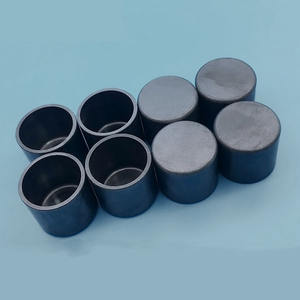
Overview of Heating shock resistance silicon nitride ceramic crucible
Silicon Nitride (Si₃N₄) is a high-performance ceramic celebrated for its exceptional combination of fracture toughness, thermal shock resistance, and high-temperature strength. It is the material of choice for the most demanding structural applications involving severe thermal and mechanical stress, such as in advanced engines and bearings.
Features of Heating shock resistance silicon nitride ceramic crucible
- High Fracture Toughness: Exceptional resistance to crack propagation and mechanical shock compared to other ceramics.
- Outstanding Thermal Shock Resistance: Can withstand the most severe and rapid temperature fluctuations.
- High Strength at Elevated Temperatures: Retains its mechanical properties up to 1200-1300°C in air.
- Low Density & High Hardness: Lightweight and very wear-resistant.
- Good Creep Resistance: Resists deformation under sustained load at high temperatures.
- Excellent Rolling Contact Fatigue Life: Superior to steel in bearing applications.
Specifications of Heating shock resistance silicon nitride ceramic crucible
Requirements of High-Temperature Shock-Resistant Silicon Nitride Ceramic Crucible
Material Make-up
This crucible is made from high-purity silicon nitride (Si two N FOUR) ceramic. The product includes over 95% silicon nitride, with percentages of sintering aids like yttria or alumina to sustain dense framework development. No steels or organic binders are made use of.
Thermal Efficiency
Superb thermal shock resistance is the vital feature. The crucible can deal with rapid temperature changes without fracturing. It works constantly at temperature levels approximately 1400 ° C in air and even greater in inert environments. Its reduced thermal development coefficient assists it stay stable throughout quick home heating or cooling cycles.
Mechanical Stamina
Silicon nitride provides the crucible high mechanical stamina and solidity. Even at raised temperatures, it keeps structural honesty. This makes it ideal for handling hefty or abrasive products without breaking or breaking.
Chemical Security
The crucible reveals solid resistance to corrosion from molten steels, slags, and many acids. It does not respond quickly with a lot of chemicals listed below 1200 ° C. Nonetheless, it might deteriorate in solid antacid or hydrofluoric acid settings.
Physical Characteristics
Regular thickness ranges from 3.15 to 3.25 g/cm ³. Porosity is kept listed below 1% to avoid fluid infiltration. The surface area is smooth and non-porous, which minimizes contamination threat during high-temperature processing.
Common Applications
This crucible is widely utilized in metallurgy, semiconductor manufacturing, and lab research. It’s suitable for thawing reactive metals, holding high-purity samples, or carrying out repeated thermal biking examinations where basic ceramics would certainly fall short.
Applications of Heating shock resistance silicon nitride ceramic crucible
Applications of High Thermal Shock Resistance Silicon Nitride Ceramic Crucibles
Reliable Performance in Extreme Heat Environments
Silicon nitride ceramic crucibles manage rapid temperature adjustments without breaking. This makes them ideal for processes where heating and cooling occur promptly. Unlike other porcelains, they remain strong even when relocated from chilly to hot problems or the other way around.
Steel Melting and Casting
These crucibles are extensively utilized in melting non-ferrous metals like light weight aluminum, copper, and zinc. Their high thermal shock resistance protects against damage during repeated home heating cycles. They additionally stand up to chemical reactions with liquified metal, which keeps the metal pure and extends crucible life.
Advanced Material Study
In laboratories and proving ground, researchers utilize silicon nitride crucibles for manufacturing new materials. The crucibles function well at temperature levels above 1,400 ° C. They do not infect sensitive samples, which is essential when evaluating high-performance ceramics or specialty alloys.
Warm Therapy and Sintering
Throughout sintering of technological ceramics or powder metallurgy components, constant warmth is required. Silicon nitride crucibles give secure assistance under these conditions. They maintain their form and strength over several home heating runs, decreasing downtime and substitute costs.
Glass and Optical Market Uses
Glass producers rely on these crucibles for melting optical glass or specialized glass sets. The material does not respond with glass melts, so the final product remains clear and devoid of defects. Their sturdiness likewise implies less disruptions in production.
Why Choose Silicon Nitride?
Silicon nitride sticks out due to the fact that it integrates sturdiness, thermal security, and chemical inertness. It lasts longer than alumina or zirconia in applications with constant thermal cycling. Users improve performance, much less waste, and more consistent results– especially where accuracy and reliability matter many.

Company Profile
Synthetic-chemical focus on the research and development, production and sales of ceramic products, serving the electronics, ceramics, chemical and other industries. Since its establishment in 2015, the company has been committed to providing customers with the best products and services, and has become a leader in the industry through continuous technological innovation and strict quality management.
Our products includes but not limited to Aluminum Nitride, Aluminum Oxide, Boron Carbide, Boron Nitride, Ceramic Crucible, ect. If you are interested in any type of these, please feel free to contact us.

Payment Methods
T/T, Western Union, Paypal, Credit Card etc.
Shipment Methods
By air, by sea, by express, as customers request.
5 FAQs of Heating shock resistance silicon nitride ceramic crucible
Frequently Asked Questions About Heating Shock Resistance Silicon Nitride Ceramic Crucibles
What makes silicon nitride crucibles resistant to thermal shock?
Silicon nitride has a strong atomic structure. This structure stays stable even when temperatures change quickly. The material does not expand or contract much with heat. That means it won’t crack easily during fast heating or cooling.
Can these crucibles handle very high temperatures?
Yes. These crucibles work well at temperatures up to 1,400°C (2,550°F). They keep their shape and strength even under extreme heat. This makes them ideal for melting metals, glass, and other high-temperature processes.
Are they safe for reactive materials?
Yes. Silicon nitride is chemically inert. It does not react with most molten metals, slags, or oxides. You can use it with aluminum, copper, zinc, and many other reactive substances without worrying about contamination.
How long do these crucibles last compared to others?
They last much longer than graphite or alumina crucibles in thermal cycling applications. Their resistance to cracking and corrosion reduces wear. This means fewer replacements and lower operating costs over time.
Do they need special handling or preheating?
No special steps are needed. Unlike some ceramics, silicon nitride crucibles can go straight from room temperature into hot environments. Still, gentle preheating helps extend life in repeated-use settings. Always avoid sudden impacts—they are strong but not unbreakable.
REQUEST A QUOTE
RELATED PRODUCTS
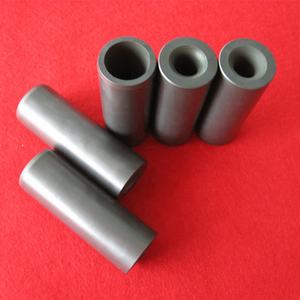
Silicon nitride ceramic strip plate for mechanical seal
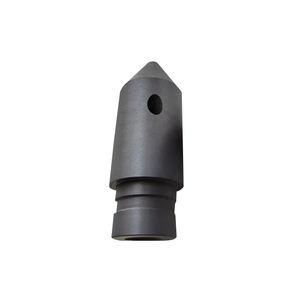
Refractory silicon carbide bonding silicon nitride tube
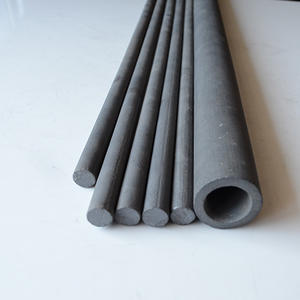
Silicon carbide ceramic pipe silicon nitride ceramic beams
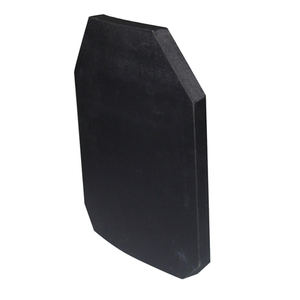
Industrial high thermal shock resistance silicon nitride ceramic board
Industrial grade silicon nitride ceramic ball bearings for machinery