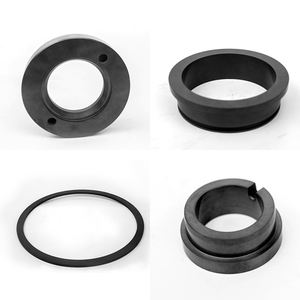
Next-Generation Ceramics: Unlocking Superior Properties for Industry

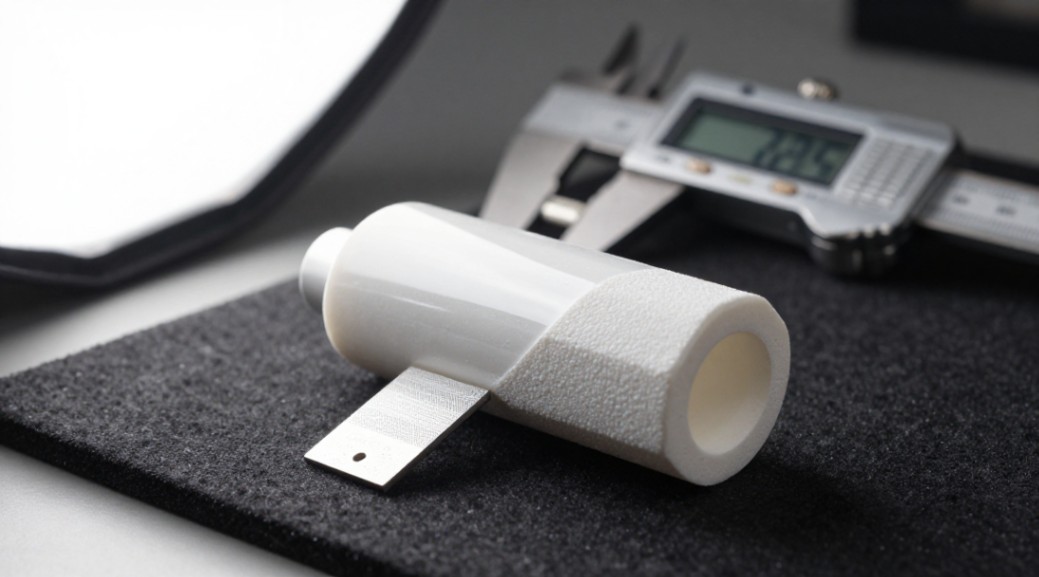
PRODUCT PARAMETERS
Description
Overview of High precision silicon nitride ceramic bearing balls
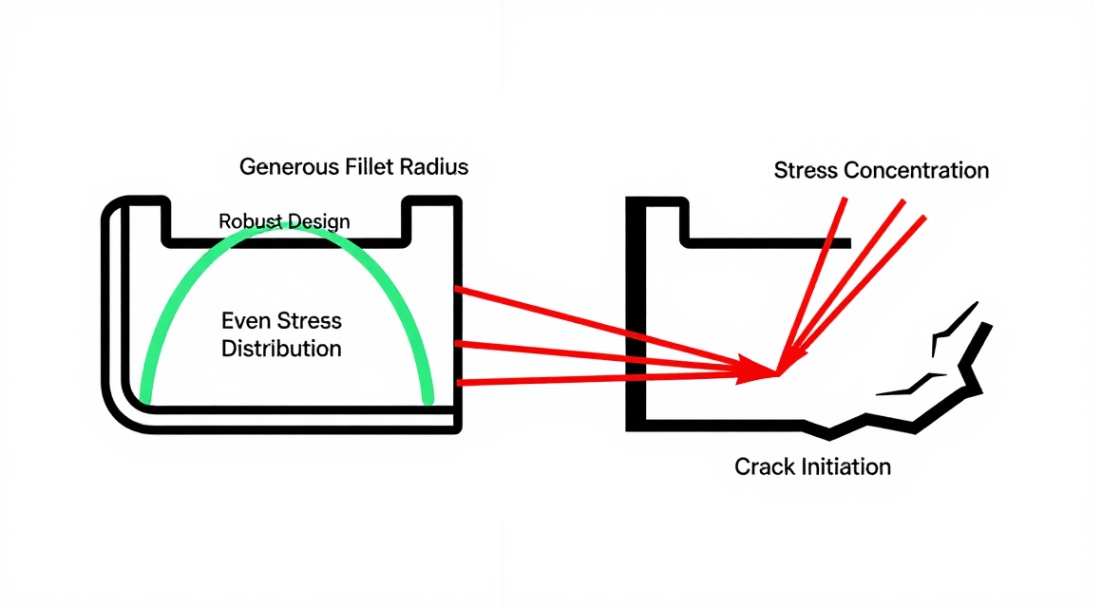
Silicon Nitride (Si₃N₄) is a high-performance ceramic celebrated for its exceptional combination of fracture toughness, thermal shock resistance, and high-temperature strength. It is the material of choice for the most demanding structural applications involving severe thermal and mechanical stress, such as in advanced engines and bearings.
Features of High precision silicon nitride ceramic bearing balls
- High Fracture Toughness: Exceptional resistance to crack propagation and mechanical shock compared to other ceramics.
- Outstanding Thermal Shock Resistance: Can withstand the most severe and rapid temperature fluctuations.
- High Strength at Elevated Temperatures: Retains its mechanical properties up to 1200-1300°C in air.
- Low Density & High Hardness: Lightweight and very wear-resistant.
- Good Creep Resistance: Resists deformation under sustained load at high temperatures.
- Excellent Rolling Contact Fatigue Life: Superior to steel in bearing applications.
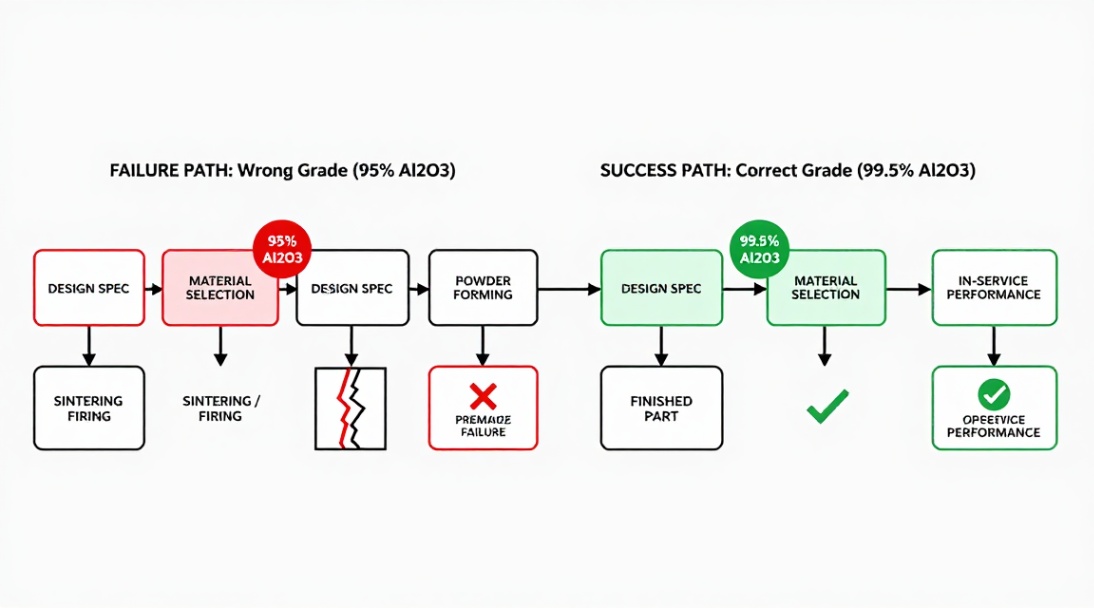
Specifications of High precision silicon nitride ceramic bearing balls
High-Precision Silicon Nitride Ceramic Bearing Balls
Material and Composition
These birthing spheres are made from high-purity silicon nitride (Si ₃ N ₄). The product is sintered under strict control to guarantee consistent thickness and structure. This gives the balls superb mechanical stamina and thermal stability.
Dimensional Precision
Each sphere satisfies Grade 3 or much better precision standards per ISO 3290. Diameter tolerance stays within ± 0.13 micrometers. Sphericity mistake is less than 0.08 micrometers. Surface area roughness averages Ra ≤ 0.005 µm, offering a mirror-like surface that reduces rubbing and wear.
Mechanical Performance
Silicon nitride spheres are much lighter than steel– regarding 60% much less dense. They manage high speeds without deforming. Their firmness reaches 15– 17 Grade point average on the Vickers range. This makes them extremely resistant to damaging and surface area damages. The flexible modulus is around 300 Grade point average, which helps maintain form under hefty loads.
Thermal and Chemical Resistance
These spheres work well in extreme temperature levels– from -200 ° C approximately 1,000 ° C in non-oxidizing atmospheres. They do not expand or acquire much with temperature level adjustments. Thermal conductivity is reduced, so warm accumulates slowly. They likewise stand up to rust from water, acids, antacid, and numerous solvents. No lubrication is required in clean or completely dry conditions.
Applications
Make use of these rounds in high-speed spindles, aerospace components, medical devices, semiconductor production devices, and accuracy instruments. Their non-magnetic nature makes them suitable for MRI machines and sensitive electronic devices. Long life span and minimal upkeep minimize downtime and operating costs.
Quality Assurance
Every batch undertakes extensive inspection using laser interferometry and automated optical systems. We test for size, satiation, surface area high quality, and product honesty. Full traceability is kept from raw powder to finished product. Accreditations include ISO 9001 and industry-specific conformity standards.
Applications of High precision silicon nitride ceramic bearing balls
High-Precision Silicon Nitride Ceramic Bearing Balls: Key Applications
Why Select Silicon Nitride?
Silicon nitride ceramic bearing balls use phenomenal firmness, reduced density, and high resistance to put on and rust. They run smoother and last longer than steel rounds popular problems. Their non-conductive nature and capacity to run at high speeds make them suitable for innovative design tasks.
Aerospace and Protection
In aerospace systems, every gram issues. Silicon nitride rounds are lighter than steel, which lowers turning mass and conserves fuel. Jet engines, advice systems, and satellite mechanisms rely upon these ceramic rounds for steady performance under extreme temperatures and high rotational rates.
Medical Tools
Clinical devices like MRI scanners and medical robots need components that won’t interfere with sensitive electronics. Silicon nitride is non-magnetic and electrically protecting. This guarantees tidy operation without signal disturbance. The material likewise resists sanitation chemicals, making it safe for repeated usage in medical facilities.
Electric Motors and EVs
Electric vehicles demand reliable, quiet, and resilient elements. Silicon nitride birthing balls lower rubbing and warm build-up in electric motor shafts. This improves power effectiveness and expands electric motor life. Their electrical insulation also stops damaging currents from travelling through bearings– an usual problem in EV drivetrains.
Industrial Automation
Robotic arms, CNC spindles, and precision equipment run faster and much more precisely with ceramic bearings. Silicon nitride rounds manage high RPMs without flawing. They also minimize maintenance demands because they do not corrosion or weaken conveniently in completely dry or infected environments.
Semiconductor Manufacturing
Cleanrooms call for components that won’t shed particles or rust. Silicon nitride meets stringent purity requirements. Its smooth surface area and chemical stability aid keep the ultra-clean problems needed during wafer processing and chip fabrication.

Company Profile
Synthetic-chemical focus on the research and development, production and sales of ceramic products, serving the electronics, ceramics, chemical and other industries. Since its establishment in 2015, the company has been committed to providing customers with the best products and services, and has become a leader in the industry through continuous technological innovation and strict quality management.
Our products includes but not limited to Aluminum Nitride, Aluminum Oxide, Boron Carbide, Boron Nitride, Ceramic Crucible, ect. If you are interested in any type of these, please feel free to contact us.

Payment Methods
T/T, Western Union, Paypal, Credit Card etc.
Shipment Methods
By air, by sea, by express, as customers request.
5 FAQs of High precision silicon nitride ceramic bearing balls
Frequently Asked Questions About High-Precision Silicon Nitride Ceramic Bearing Balls
What are silicon nitride ceramic bearing balls made of?
These balls are made from high-purity silicon nitride (Si₃N₄), a strong technical ceramic. The material is formed under high heat and pressure. This gives the balls excellent hardness, low density, and high resistance to wear and corrosion.
Why choose ceramic over steel bearing balls?
Silicon nitride balls weigh about 60% less than steel ones. They run smoother and create less friction. They also handle high speeds better and do not rust. In tough conditions—like high heat or corrosive environments—they last much longer than metal balls.
Are these balls truly high precision?
Yes. Each ball meets strict international standards for roundness and surface finish. Tolerances are kept within microns. This level of precision ensures quiet operation, stable rotation, and long service life in demanding applications like aerospace or medical devices.
Can they work in extreme temperatures?
Absolutely. Silicon nitride stays strong up to 1,000°C (1,832°F). It does not expand or weaken like metals do when heated. That makes these balls ideal for use in ovens, turbines, and other high-heat systems where steel would fail.
Do they need special maintenance?
Not really. Because they resist corrosion and don’t react with most chemicals, they need less lubrication than steel balls. In many cases, they can even run dry. Still, always follow the manufacturer’s guidelines for your specific setup to get the best results.
REQUEST A QUOTE
RELATED PRODUCTS
High performance silicon nitride ceramic balls in various sizes
Hardness silicon nitride ceramic grinding ball for ceramic part
Custom silicon nitride ceramic ball bearing balls for applications

Excellent wear resistance gas sintering silicon nitride bar
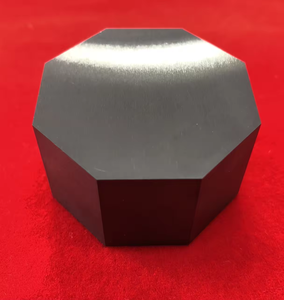
Custom wear resistant silicon nitride ceramics machining