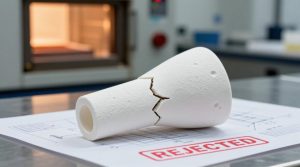
Next-Generation Ceramics: Unlocking Superior Properties for Industry

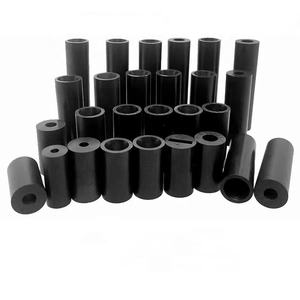
PRODUCT PARAMETERS
Description
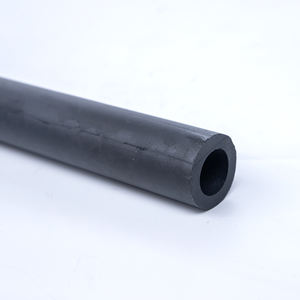
Overview of Polished gas pressure sintered silicon nitride ceramic bar
Silicon Nitride (Si₃N₄) is a high-performance ceramic celebrated for its exceptional combination of fracture toughness, thermal shock resistance, and high-temperature strength. It is the material of choice for the most demanding structural applications involving severe thermal and mechanical stress, such as in advanced engines and bearings.
Features of Polished gas pressure sintered silicon nitride ceramic bar
- High Fracture Toughness: Exceptional resistance to crack propagation and mechanical shock compared to other ceramics.
- Outstanding Thermal Shock Resistance: Can withstand the most severe and rapid temperature fluctuations.
- High Strength at Elevated Temperatures: Retains its mechanical properties up to 1200-1300°C in air.
- Low Density & High Hardness: Lightweight and very wear-resistant.
- Good Creep Resistance: Resists deformation under sustained load at high temperatures.
- Excellent Rolling Contact Fatigue Life: Superior to steel in bearing applications.
Specifications of Polished gas pressure sintered silicon nitride ceramic bar
Polished Gas Pressure Sintered Silicon Nitride Ceramic Bar – Technical Specifications
Material Composition
This ceramic bar is made from high-purity silicon nitride (Si₃N₄). It is formed using gas pressure sintering, a method that ensures dense structure and strong mechanical performance. The material contains minimal additives—usually yttria and alumina—to support full densification without compromising thermal or chemical stability.
Density: 3.20–3.25 g/cm³
Porosity: Near zero (fully dense)
Mechanical Properties
The bar shows excellent strength and toughness for a technical ceramic. Its fine-grained microstructure gives it consistent performance under stress and impact. These properties make it ideal for demanding industrial uses.
Flexural Strength: 800–1000 MPa
Fracture Toughness (KIC): 6.5–8.0 MPa·m½
Vickers Hardness: 1400–1600 HV
Thermal Characteristics
Silicon nitride maintains its shape and strength at high temperatures. It resists thermal shock better than most ceramics. This makes the bar suitable for applications involving rapid heating or cooling cycles.
Maximum Use Temperature: Up to 1200°C in air
Thermal Conductivity: 20–30 W/m·K
Thermal Expansion Coefficient: 2.8–3.2 × 10⁻⁶ /°C (25–800°C)
Surface Finish
Each bar is precision ground and polished to a smooth surface. This reduces friction and wear in moving parts. Standard surface roughness is Ra ≤ 0.2 µm, but tighter tolerances are available on request.
Dimensional Tolerance
Standard bars are supplied with tight dimensional control. Typical length tolerance is ±0.1 mm. Diameter or width tolerance is ±0.05 mm. Custom sizes can be produced based on customer drawings.
Chemical Resistance
The material resists oxidation, acids, and molten metals. It remains stable in harsh environments where other materials would degrade quickly.
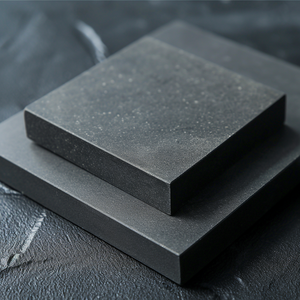
Applications of Polished gas pressure sintered silicon nitride ceramic bar
Applications of Polished Gas Pressure Sintered Silicon Nitride Ceramic Bars
High-Performance Bearings
Polished gas pressure sintered silicon nitride ceramic bars are widely used to make high-performance bearings. These bearings run smoother and last longer than steel ones. They handle high speeds and heavy loads without wearing out quickly. Industries like aerospace and automotive rely on them for critical rotating parts.
Precision Cutting Tools
These ceramic bars also serve as raw material for precision cutting tools. Their extreme hardness and thermal stability let them cut tough metals cleanly. Machinists use them in high-speed operations where heat buildup would ruin ordinary tools. The polished surface ensures consistent performance and fine finishes.
Semiconductor Manufacturing Components
In semiconductor production, cleanliness and stability matter most. Silicon nitride bars are shaped into wafer handling arms, chucks, and insulators. They resist thermal shock and do not contaminate sensitive processes. Their smooth finish prevents particle shedding in cleanroom environments.
Medical Implants and Instruments
The biocompatibility of silicon nitride makes it safe for medical use. Polished bars are machined into spinal implants and surgical tools. They reduce infection risk and integrate well with bone tissue. Their strength supports long-term implant reliability without metal corrosion issues.
Energy and Power Systems
Gas turbines and other power systems benefit from these ceramic bars too. They work in hot zones where metals weaken. Parts like seals and nozzles made from silicon nitride improve efficiency and reduce downtime. Their resistance to oxidation keeps systems running longer under stress.
Durability Meets Precision
Every polished bar delivers tight dimensional control and uniform microstructure. This consistency lets engineers design parts that perform reliably in demanding conditions. Whether in motion, under heat, or inside the human body, these ceramics meet exacting standards without compromise.

Company Profile
Synthetic-chemical focus on the research and development, production and sales of ceramic products, serving the electronics, ceramics, chemical and other industries. Since its establishment in 2015, the company has been committed to providing customers with the best products and services, and has become a leader in the industry through continuous technological innovation and strict quality management.
Our products includes but not limited to Aluminum Nitride, Aluminum Oxide, Boron Carbide, Boron Nitride, Ceramic Crucible, ect. If you are interested in any type of these, please feel free to contact us.

Payment Methods
T/T, Western Union, Paypal, Credit Card etc.
Shipment Methods
By air, by sea, by express, as customers request.
5 FAQs of Polished gas pressure sintered silicon nitride ceramic bar
Frequently Asked Questions About Polished Gas Pressure Sintered Silicon Nitride Ceramic Bars
What is gas pressure sintered silicon nitride?
Gas pressure sintered silicon nitride is a high-performance ceramic made by heating silicon nitride powder under nitrogen gas pressure. This process creates a dense, strong material with few pores. The result is a bar that resists heat, wear, and corrosion better than many metals or standard ceramics.
Why choose a polished surface?
A polished surface reduces roughness and improves smoothness. This matters in applications where friction, sealing, or cleanliness is critical. Polishing also helps detect surface flaws and gives the bar a clean, professional look without changing its core properties.
Where are these bars commonly used?
These bars work well in demanding environments. You’ll find them in semiconductor manufacturing equipment, high-temperature fixtures, precision bearings, and cutting tools. Their strength at high temperatures and low thermal expansion make them ideal for parts that must stay stable under stress.
How does this material handle high temperatures?
Silicon nitride keeps its strength up to 1,200°C (2,192°F). It does not soften or deform easily like metals. It also resists thermal shock—meaning it won’t crack when temperature changes happen fast. This makes it reliable in furnaces, engines, and other hot zones.
Is this ceramic easy to machine after sintering?
No. Once sintered, silicon nitride becomes extremely hard. Machining it requires diamond tools and special techniques. That’s why final dimensions and polish are usually done before full densification—or ordered to exact specs from the manufacturer. Trying to modify it yourself can lead to chipping or breakage.
REQUEST A QUOTE
RELATED PRODUCTS
High precision silicon nitride ceramic ball for wheel bearing
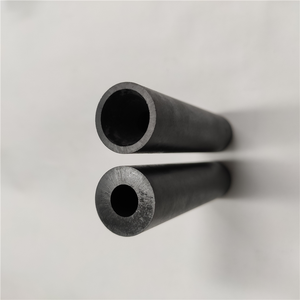
Gas pressure sintering silicon nitride ceramic tube ring sleeve
Abrasion resistant silicon nitride ceramic grinding media bead
Factory supply precision silicon nitride ceramic ball
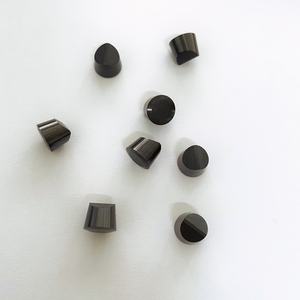
Silicon nitride ceramic guide pin for nut welding use