Next-Generation Ceramics: Unlocking Superior Properties for Industry

PRODUCT PARAMETERS
Description
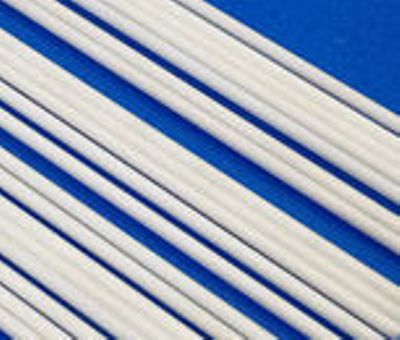
Overview of Glass Tempering Furnace Quartz Fused Silica Ceramic Roller
Quartz ceramics, also known as fused silica ceramics or re-bonded quartz products, are a high-performance advanced ceramic material. Unlike traditional clay-based ceramics, they are not made by sintering clay, but rather from high-purity fused silica (silicon dioxide, SiO₂) that is crushed, shaped, and then sintered at high temperatures.
Their core appeal lies in their unique combination of the excellent properties of fused silica glass (such as extremely low thermal expansion coefficient and excellent thermal shock stability) and the structural strength and versatility of ceramics (they can be made into crucibles, rollers, and irregularly shaped parts), overcoming the limitations of fused silica glass in terms of difficulty in manufacturing large sizes and complex shapes, and its high cost.
Quartz ceramics perform exceptionally well in harsh environments involving high temperatures, rapid temperature changes, and chemical corrosion, and are widely used in solar photovoltaics (crucibles for polycrystalline silicon ingot furnaces), semiconductors, aerospace, metallurgy and casting, the glass industry, and laboratories.
Main Characteristics of Glass Tempering Furnace Quartz Fused Silica Ceramic Roller
Excellent Thermal Shock Stability: They have an extremely low thermal expansion coefficient, generating almost no thermal stress during rapid temperature changes, and can withstand rapid cooling from extremely high temperatures to room temperature without cracking.
Extremely High Temperature Resistance and Thermal Stability: They can be used continuously at temperatures of 1100°C – 1350°C, and can even withstand higher temperatures for short periods. They do not soften or deform at high temperatures and maintain good dimensional stability.
Excellent Chemical Inertness and Corrosion Resistance: Except for hydrofluoric acid and hot concentrated phosphoric acid, they have strong resistance to most acids, salt solutions, and molten metals (such as aluminum, copper, gold, silver, and platinum), making them ideal melting and containment vessels.
Low Thermal Conductivity and Good Electrical Insulation: They have low thermal conductivity, making them excellent thermal insulation materials. They also maintain good electrical insulation properties at high temperatures.
High Purity and Low Contamination Risk: Made from high-purity quartz sand, they do not contaminate the high-purity molten metals or semiconductor materials they come into contact with, ensuring process cleanliness.
Moderate Mechanical Strength: Compared to most engineering ceramics, their mechanical strength at room temperature is relatively low; they are brittle materials. However, their strength is sufficient under their designed operating conditions (high-temperature insulation, thermal shock resistance). Its strength can be improved by optimizing the formula and manufacturing process.
Specifications of Glass Tempering Furnace Quartz Fused Silica Ceramic Roller
Quartz fused silica ceramic rollers develop a critical component inside glass toughening up furnaces. These rollers lug the glass sheets smoothly via the high-heat areas. They need unique buildings to handle the hard problems. Quartz integrated silica ceramic product works completely for this job. It offers a number of crucial benefits essential for successful glass tempering.
The product endures very heats easily. Heating system zones often run extremely warm, over 700 degrees Celsius. Quartz integrated silica rollers handle this heat without warping or deteriorating. They additionally resist sudden temperature modifications well. Glass goes into the heating system cool and heats up quickly. The rollers endure this thermal shock without cracking. This security is essential for constant operation.
These rollers flaunt an exceptionally smooth surface coating. Any roughness would note or scratch the warmed glass surface area. Quartz integrated silica rollers move the glass sheets without triggering problems. The product remains dimensionally steady under heat. It doesn’t increase or diminish considerably. This keeps the rollers precisely aligned along the whole furnace size. Regular roller placement makes certain flat, distortion-free toughened up glass.
Quartz fused silica ceramic rollers last a long time. They withstand wear and corrosion much better than steel rollers. They do not react with the warm glass or heating system atmosphere. This sturdiness implies much less frequent roller changes. Much less downtime for heater maintenance saves time and money. Operators find them reasonably very easy to maintain. Keeping the heating system running smoothly relies heavily on these high-performance rollers. Their lifespan straight affects furnace efficiency and production costs.
Applications of Glass Tempering Furnace Quartz Fused Silica Ceramic Roller
Glass solidifying heaters require strong rollers to move glass sheets through high heat. Quartz merged silica ceramic rollers are the very best selection for this work. These rollers withstand high heat without breaking. They manage the unexpected temperature adjustments inside the heater effectively. This is called thermal shock resistance. It is vital because heaters heat up and cool down glass swiftly.
These rollers stay the same dimension even under extreme temperatures. This dimensional security indicates the rollers keep their specific form. They do not warp or bend under the weight of the glass. This ensures the glass moves smoothly and uniformly through the heating system. Unequal movement creates issues in the tempered glass. Smooth transport is important for producing level, top notch tempered glass.
The surface area of quartz integrated silica is really tough. It stands up to deterioration from continuous contact with warm glass. The rollers last a very long time before requiring substitute. This minimizes heating system downtime and saves money. Operators value them because they require much less upkeep.
These rollers also withstand chain reactions. They do not react with the glass surface at heats. This stops marks or discolorations on the glass. Tidy rollers imply cleaner, defect-free glass items. The rollers run silently as well, making the furnace location much less loud. Making use of quartz integrated silica ceramic rollers causes effective tempering. It produces solid, safe tempered glass accurately. Manufacturing facilities see less production problems and reduced expenses.

Company Profile
Synthetic-chemical focus on the research and development, production and sales of ceramic products, serving the electronics, ceramics, chemical and other industries. Since its establishment in 2015, the company has been committed to providing customers with the best products and services, and has become a leader in the industry through continuous technological innovation and strict quality management.
Our products includes but not limited to Aluminum Nitride, Aluminum Oxide, Boron Carbide, Boron Nitride, Ceramic Crucible, ect. If you are interested in any type of these, please feel free to contact us.

Payment Methods
T/T, Western Union, Paypal, Credit Card etc.
Shipment Methods
By air, by sea, by express, as customers request.
5 FAQs of Glass Tempering Furnace Quartz Fused Silica Ceramic Roller
What makes quartz fused silica rollers better than steel rollers?
Quartz fused silica rollers handle heat much better. They last longer inside the hot tempering furnace. Steel rollers can bend or warp under high temperatures. Quartz rollers stay straight. This keeps the glass moving smoothly.
Why do quartz rollers resist thermal shock so well?
Quartz fused silica has very low thermal expansion. It hardly expands or contracts when temperatures change fast. Other materials expand and contract more. This causes stress and cracks. Quartz handles the furnace heating and cooling cycles without cracking easily.
How do these rollers affect the glass surface?
Quartz fused silica rollers are very smooth. They are also very hard. This means they don’t scratch the hot glass surface. Rollers made from other materials can sometimes mark the glass. Clean glass surfaces are important for quality tempering.
Are quartz rollers more durable than ceramic rollers?
Yes, quartz fused silica rollers are tougher. They are less likely to chip or break during furnace operation. Other ceramic rollers can be more brittle. Quartz rollers withstand the demanding conditions inside the furnace longer. This means less downtime for roller changes.
How often do these rollers need maintenance or replacement?
Quartz fused silica rollers need less maintenance than other types. Their long life means fewer replacements. They resist wear from the hot glass moving over them. You won’t need to change them as often. This saves time and money over the furnace’s lifetime.
REQUEST A QUOTE
RELATED PRODUCTS
Diamond Edge Grinding Wheel for Marble Ceramic Quartz
250g Quartz Ceramic Crucible Bowl for Melting Gold and Silver
Modern White Artificial Quartz Stone Bathroom Vanity Ceramic Material
Direct Factory Push Pull Panel Ceramic Tile Quartz Display Rack
Safe and Quiet Ceramic Electric Quartz Room Heaters Portable