Next-Generation Ceramics: Unlocking Superior Properties for Industry

PRODUCT PARAMETERS
Description
Overview of Industrial Machinery Alumina Ceramic Parts
Alumina Ceramic, or Aluminum Oxide (Al₂O₃), is the most widely used and versatile advanced ceramic material. Known for its excellent balance of mechanical, thermal, and electrical properties, it is a cost-effective solution for a vast array of demanding industrial applications. Alumina components are produced in purity levels ranging from 85% to 99.9%, with properties enhancing as purity increases.
Features of Industrial Machinery Alumina Ceramic Parts
- High Hardness & Wear Resistance: Offers exceptional resistance to abrasion and mechanical wear.
- Excellent Electrical Insulation: Maintains high electrical resistivity even at elevated temperatures.
- Good Thermal Conductivity: (For a ceramic) effectively dissipates heat, especially in higher purity grades.
- High Compressive Strength: Capable of withstanding significant mechanical loads.
- Chemical Inertness: Highly resistant to corrosion from acids, alkalis, and molten metals.
- Cost-Effectiveness: Provides superior performance at a lower cost compared to many other technical ceramics.
Specifications of Industrial Machinery Alumina Ceramic Parts
Industrial machinery alumina ceramic parts are crucial for demanding applications. These components are made from aluminum oxide. This material supplies remarkable buildings. Alumina ceramic is really hard. It is also extremely solid. These parts can withstand high stress. They stand up to use very well. Alumina porcelains deal with really high temperatures. They maintain toughness even above 1000 levels Celsius. These parts do not respond with many chemicals. They resist rust effectively. This makes them good for severe settings.
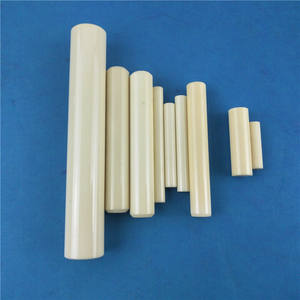
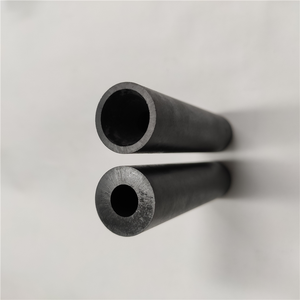
Production alumina porcelains entails certain processes. Powdered alumina is pushed into form. Then it is fired at very high heat. This process is called sintering. Sintering makes the material thick and solid. Exact control is required throughout production. This makes sure regular top quality and efficiency. Components can be made in numerous forms. Typical kinds include tubes, plates, rings, and customized styles. Tight tolerances are achievable. This is necessary for suitable right into equipment.
These ceramic components are used in lots of markets. They are common in pumps and valves. They serve as seals and bearings. Their hardness safeguards steel parts from wear. They are made use of in high-temperature furnaces. Alumina porcelains work as insulation and supports. Chemical plants use them for their corrosion resistance. They handle hostile liquids and gases well. Electronic devices production utilizes alumina substrates. They supply electric insulation.
Selecting alumina ceramic components provides clear benefits. They last much longer than metal parts in difficult problems. This lowers downtime for maintenance. Makers run even more accurately. Substitute expenses go down gradually. Alumina parts assist devices run efficiently. They keep processes steady. These components are a smart investment for industrial procedures. They address wear and rust problems properly.
Applications of Industrial Machinery Alumina Ceramic Parts
Alumina ceramic components are very important in many sectors. They are made from light weight aluminum oxide. This material has unique residential properties that make it very valuable.
These ceramic components are incredibly hard. They withstand wear effectively. This is fantastic for areas where things rub together a great deal. They last a lot longer than metal components. This saves money because they don’t require replacing as commonly.
They likewise take care of high warmth effectively. Alumina porcelains maintain their stamina also when it obtains very hot. This makes them perfect for heating systems and high-temperature machinery. They do not quickly thaw or warp.
Chemical resistance is one more big benefit. Acids and bases don’t easily damage alumina porcelains. This is crucial in chemical plants and laboratories. They can manage severe chemicals without breaking down.
In the medical field, alumina ceramics are biocompatible. This implies the human body generally approves them well. They are used in implants like hip joints. They are strong and wear-resistant inside the body.
Electric insulation is one more vital function. Alumina ceramics do not conduct electrical energy. They are used in digital parts and high-voltage devices. They maintain electrical power safely consisted of.
These porcelains are also extremely rigid. They don’t flex or bend a lot under stress. This makes them stable for accurate tasks. They are made use of in tools for determining and cutting.
Alumina porcelains are light-weight as well. This aids in aerospace and automobile usages. Lowering weight can improve gas effectiveness and performance.
They are used in seals and bearings. Their hardness and level of smoothness minimize friction. This makes equipments run smoother and last longer.
Alumina ceramic parts can be made into many forms. They are customized for details demands. Different grades supply various degrees of toughness and pureness.

Company Profile
Synthetic-chemical focus on the research and development, production and sales of ceramic products, serving the electronics, ceramics, chemical and other industries. Since its establishment in 2015, the company has been committed to providing customers with the best products and services, and has become a leader in the industry through continuous technological innovation and strict quality management.
Our products includes but not limited to Aluminum Nitride, Aluminum Oxide, Boron Carbide, Boron Nitride, Ceramic Crucible, ect. If you are interested in any type of these, please feel free to contact us.

Payment Methods
T/T, Western Union, Paypal, Credit Card etc.
Shipment Methods
By air, by sea, by express, as customers request.
5 FAQs of Industrial Machinery Alumina Ceramic Parts
What are alumina ceramic parts?
Alumina ceramic parts are components made from aluminum oxide. This is a very hard ceramic material. People use it in tough industrial jobs. It is not metal. It is a special type of ceramic.
Why choose alumina ceramic parts?
People choose alumina ceramic parts for several reasons. They are extremely hard. They resist wear very well. They stand high temperatures. They do not rust. They are good electrical insulators. These properties make them last long in hard conditions.
Where are alumina ceramic parts used?
These parts are used in many industries. They are common in machinery that handles abrasion. Examples are pumps, valves, and seals. They are in cutting tools. They are used as electrical insulators. They are found in chemical plants. They handle aggressive materials well.
How do alumina ceramics differ from other ceramics?
Alumina ceramics are different from other ceramics like zirconia. Alumina is generally harder. It is often cheaper. It handles very high heat better. It resists chemical attack strongly. Other ceramics might be tougher or stronger in some ways. Alumina is a good all-round choice.
How should we handle and install alumina ceramic parts?
Handle alumina ceramic parts carefully. They can break if hit hard. Avoid sharp impacts. Use proper tools for installation. Make sure parts fit correctly. Do not force them. Check surfaces for damage before use. Follow the supplier’s instructions. Proper handling prevents cracks.
REQUEST A QUOTE
RELATED PRODUCTS

Tape Cast Pink 94.4% Al2O3 Alumina Ceramic PCB Substrate
95%/96%/99% Alumina (Al2O3) Ceramic Components

High Durability 92%-95% Alumina Ceramic Wear Tiles
Alumina Granules (D50 ≤20μm) for Fuel Refinement & Catalysts
Precise 99% Alumina Porous Ceramic Substrate / Wafer / Disc (Custom)