Next-Generation Ceramics: Unlocking Superior Properties for Industry

PRODUCT PARAMETERS
Description
Overview of High Quality Quartz Sand for Glass Plastic and Ceramic Production
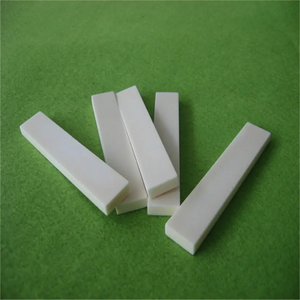
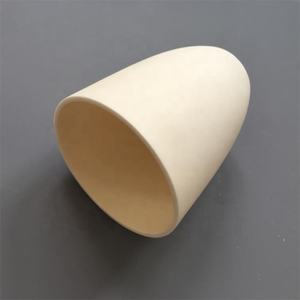
Quartz ceramics, also known as fused silica ceramics or re-bonded quartz products, are a high-performance advanced ceramic material. Unlike traditional clay-based ceramics, they are not made by sintering clay, but rather from high-purity fused silica (silicon dioxide, SiO₂) that is crushed, shaped, and then sintered at high temperatures.
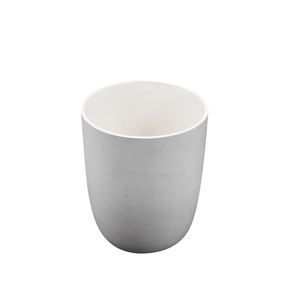
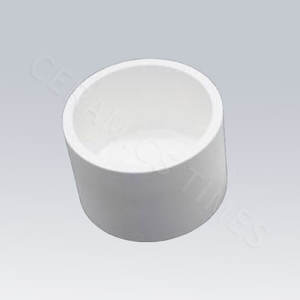
Their core appeal lies in their unique combination of the excellent properties of fused silica glass (such as extremely low thermal expansion coefficient and excellent thermal shock stability) and the structural strength and versatility of ceramics (they can be made into crucibles, rollers, and irregularly shaped parts), overcoming the limitations of fused silica glass in terms of difficulty in manufacturing large sizes and complex shapes, and its high cost.
Quartz ceramics perform exceptionally well in harsh environments involving high temperatures, rapid temperature changes, and chemical corrosion, and are widely used in solar photovoltaics (crucibles for polycrystalline silicon ingot furnaces), semiconductors, aerospace, metallurgy and casting, the glass industry, and laboratories.
Main Characteristics of High Quality Quartz Sand for Glass Plastic and Ceramic Production
Excellent Thermal Shock Stability: They have an extremely low thermal expansion coefficient, generating almost no thermal stress during rapid temperature changes, and can withstand rapid cooling from extremely high temperatures to room temperature without cracking.
Extremely High Temperature Resistance and Thermal Stability: They can be used continuously at temperatures of 1100°C – 1350°C, and can even withstand higher temperatures for short periods. They do not soften or deform at high temperatures and maintain good dimensional stability.
Excellent Chemical Inertness and Corrosion Resistance: Except for hydrofluoric acid and hot concentrated phosphoric acid, they have strong resistance to most acids, salt solutions, and molten metals (such as aluminum, copper, gold, silver, and platinum), making them ideal melting and containment vessels.
Low Thermal Conductivity and Good Electrical Insulation: They have low thermal conductivity, making them excellent thermal insulation materials. They also maintain good electrical insulation properties at high temperatures.
High Purity and Low Contamination Risk: Made from high-purity quartz sand, they do not contaminate the high-purity molten metals or semiconductor materials they come into contact with, ensuring process cleanliness.
Moderate Mechanical Strength: Compared to most engineering ceramics, their mechanical strength at room temperature is relatively low; they are brittle materials. However, their strength is sufficient under their designed operating conditions (high-temperature insulation, thermal shock resistance). Its strength can be improved by optimizing the formula and manufacturing process.
Specifications of High Quality Quartz Sand for Glass Plastic and Ceramic Production
High-Quality Quartz Sand for Glass, Plastic, and Ceramic Manufacturing
Key Requirements
Our quartz sand is produced commercial use in glass, plastic, and ceramic manufacturing. It fulfills strict quality standards to sustain regular manufacturing outcomes.
Silica (SiO TWO) Web Content: Minimum 99.5%. High pureness makes sure far better melting performance and less contaminations in the final product.
Grain Size: Readily available in multiple mesh dimensions– ranging from 20/40 to 100/200– tailored to your procedure requires. Uniform fragment dimension enhances flow and mixing behavior.
Wetness Material: Much less than 0.1%. Low dampness avoids clumping and supports smooth handling throughout manufacturing.
Iron Content (Fe ₂ O TWO): Listed below 0.02%. Reduced iron degrees minimize discoloration, which is critical for clear glass and light porcelains.
Chemical Stability: Chemically inert under normal processing conditions. This makes it safe to make use of with other basic materials without undesirable reactions.
Color: Intense white to transparent. Tidy appearance aids maintain item quality and coating.
Product packaging: Provided in 25 kg or 1,000 kg bags. Custom-made product packaging alternatives are offered upon request.
This quartz sand goes through rigorous testing and cleaning to eliminate dirt, clay, and various other impurities. Each batch is examined in our lab to validate conformity with market requirements. The sand’s regular make-up sustains steady heating system operation in glassmaking and enhances surface area top quality in ceramic glazes. In plastic applications, it works as a trustworthy filler that boosts strength without affecting shade or texture.
Producers select this material because it supplies predictable efficiency batch after batch. Its great control over physical and chemical attributes minimizes waste and downtime on the production line.
Applications of High Quality Quartz Sand for Glass Plastic and Ceramic Production
Top Notch Quartz Sand: Necessary for Glass, Plastic, and Ceramic Manufacturing
Why Purity Issues
Top notch quartz sand is a key basic material in making glass, plastic, and ceramics. Its primary element is silica (SiO TWO), which should be very pure. Even small amounts of iron or other impurities can transform the color or stamina of the end product. For clear glass or white ceramics, reduced iron web content is vital. That’s why manufacturers choose quartz sand with over 99% silica pureness.
Duty in Glass Production
In glass manufacturing, quartz sand thaws at heats to develop the base of the glass structure. It gives glass its clearness, hardness, and warm resistance. Containers, windows, fiber optics, and display panels all depend on constant, fine-grade quartz sand. The grain size and shape also matter– uniform grains melt equally and minimize flaws.
Usage in Plastics
Quartz sand is not just for glass. In plastics, it functions as a filler material. Adding finely ground quartz enhances tightness, warm resistance, and dimensional stability. It likewise decreases manufacturing prices without hurting performance. Automotive components, electronic real estates, and building and construction materials typically include quartz-filled plastics for far better longevity.
Value in Ceramics
For porcelains, quartz sand manages contraction and bending during firing. It aids preserve form and adds stamina to ceramic tiles, sanitaryware, and tableware. The sand’s thermal development buildings match well with other ceramic components, stopping splits. High-purity quartz makes certain brilliant, regular glaze shades and smooth surface areas.
Producers depend on reputable quartz sand providers who supply constant chemical composition, managed bit size, and minimal contaminants. Every set must satisfy rigorous market requirements to maintain production running efficiently and items doing as anticipated.

Company Profile
Synthetic-chemical focus on the research and development, production and sales of ceramic products, serving the electronics, ceramics, chemical and other industries. Since its establishment in 2015, the company has been committed to providing customers with the best products and services, and has become a leader in the industry through continuous technological innovation and strict quality management.
Our products includes but not limited to Aluminum Nitride, Aluminum Oxide, Boron Carbide, Boron Nitride, Ceramic Crucible, ect. If you are interested in any type of these, please feel free to contact us.

Payment Methods
T/T, Western Union, Paypal, Credit Card etc.
Shipment Methods
By air, by sea, by express, as customers request.
5 FAQs of High Quality Quartz Sand for Glass Plastic and Ceramic Production
What is high-quality quartz sand?
High-quality quartz sand is natural silica sand with a very high purity level—usually over 99% SiO₂. It has minimal impurities like iron, aluminum, or organic matter. This makes it ideal for making glass, plastics, and ceramics where clarity, strength, and performance matter.
Why is purity important in quartz sand?
Purity directly affects the final product. Even small amounts of iron can tint glass green or weaken ceramic structures. For clear glass or white ceramics, low-iron, high-purity quartz sand ensures consistent color and quality. In plastics, clean sand improves filler performance without discoloring the material.
How does quartz sand improve glass production?
Quartz sand is the main raw material in glassmaking. High-purity sand melts evenly at high temperatures, forming smooth, transparent glass. It helps control thermal expansion and boosts durability. Using top-grade quartz sand reduces defects like bubbles or streaks in bottles, windows, and specialty glass.
Can quartz sand be used in plastic manufacturing?
Yes. Finely ground quartz sand acts as a functional filler in plastics. It adds stiffness, heat resistance, and dimensional stability. Because it’s chemically inert and bright white, it won’t react with polymers or change the product’s appearance. This makes it valuable in automotive parts, packaging, and construction materials.
What role does quartz sand play in ceramics?
In ceramics, quartz sand controls shrinkage during drying and firing. It strengthens the body and prevents warping. High-purity sand also supports glaze adhesion and maintains whiteness in porcelain and sanitaryware. Consistent grain size ensures even mixing and reliable results in every batch.
REQUEST A QUOTE
RELATED PRODUCTS
Showroom Quartz Stone Sample Ceramic Tile Display Rack Floor Slide
Customized Floor Standing Ceramic Tile Granite Quartz Display Racks
Porcelain Ceramic Countertop Stone Desk Quartz Tile Display Stand
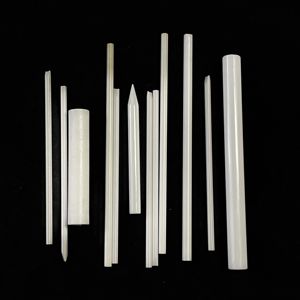
Custom Plastic Porcelain Ceramic and Quartz Sample Catalogue Book
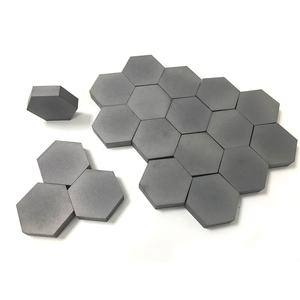
Water Jet for Marble Quartz Ceramic Tiles Cutting Axis Machine