Next-Generation Ceramics: Unlocking Superior Properties for Industry

PRODUCT PARAMETERS
Description
Overview of 92%/95% High Performance Alumina Ceramic Lining Tiles / Wear Liners
Alumina Ceramic, or Aluminum Oxide (Al₂O₃), is the most widely used and versatile advanced ceramic material. Known for its excellent balance of mechanical, thermal, and electrical properties, it is a cost-effective solution for a vast array of demanding industrial applications. Alumina components are produced in purity levels ranging from 85% to 99.9%, with properties enhancing as purity increases.
Features of 92%/95% High Performance Alumina Ceramic Lining Tiles / Wear Liners
- High Hardness & Wear Resistance: Offers exceptional resistance to abrasion and mechanical wear.
- Excellent Electrical Insulation: Maintains high electrical resistivity even at elevated temperatures.
- Good Thermal Conductivity: (For a ceramic) effectively dissipates heat, especially in higher purity grades.
- High Compressive Strength: Capable of withstanding significant mechanical loads.
- Chemical Inertness: Highly resistant to corrosion from acids, alkalis, and molten metals.
- Cost-Effectiveness: Provides superior performance at a lower cost compared to many other technical ceramics.
Specifications of 92%/95% High Performance Alumina Ceramic Lining Tiles / Wear Liners
High-Performance Alumina Ceramic Cellular Lining Tiles– 92% and 95% Qualities
Material Composition and Pureness
These put on linings are made from high-purity alumina ceramic. The 92% grade contains 92% aluminum oxide (Al two O SIX), while the 95% grade offers also higher pureness at 95%. Both qualities deliver outstanding resistance to abrasion, corrosion, and heats. They are excellent for tough industrial environments where resilience matters most.
Physical and Mechanical Characteristics
Density: 92% tiles have a density of concerning 3.60 g/cm TWO; 95% ceramic tiles reach up to 3.70 g/cm FIVE.
Firmness: Determined at 1500– 1700 HV on the Vickers range, making them more challenging than many steels.
Flexural Toughness: Ranges from 300 to 350 MPa, making certain strong efficiency under stress and anxiety.
Compressive Toughness: Surpasses 2000 MPa, enabling these tiles to handle hefty loads without cracking.
Thermal and Chemical Resistance
These liners function reliably in temperatures up to 1600 ° C (2912 ° F). They stand up to thermal shock well and preserve structural honesty throughout fast temperature changes. Chemically, they withstand acids, alkalis, and solvents– except hydrofluoric acid and solid alkalis at high temperatures. This makes them suitable for chemical handling, mining, and power generation applications.
Usual Applications
You’ll locate these alumina floor tiles lining chutes, receptacles, pipelines, cyclones, and pumps. They protect equipment from wear triggered by gliding or impacting unpleasant products like sand, coal, cement, and minerals. Their smooth surface also lowers product build-up and enhances flow efficiency.
Setup and Modification
Ceramic tiles are available in standard sizes however can be custom-cut to fit certain devices forms. They are commonly adhered utilizing high-strength epoxy or mechanically secured with metal anchors. Appropriate setup makes sure lengthy service life and minimal upkeep downtime.
Applications of 92%/95% High Performance Alumina Ceramic Lining Tiles / Wear Liners
Applications of 92%/ 95% High-Performance Alumina Porcelain Cellular Lining Tiles
Why Select High-Purity Alumina Use Liners?
92% and 95% alumina ceramic lining floor tiles deal impressive wear resistance, firmness, and chemical security. These homes make them suitable for difficult commercial settings where abrasion, impact, and deterioration trigger fast equipment damage.
Secret Industrial Makes Use Of
In mining and mineral processing, these floor tiles line chutes, receptacles, and pipes that handle abrasive ores and slurries. They greatly extend life span compared to steel or rubber cellular linings.
Power plants make use of alumina linings in ash handling systems, cyclones, and flue gas air ducts. The tiles withstand erosion from fly ash and heats without degrading.
Concrete manufacturing facilities install them in raw mills, clinker conveyors, and separator cones. Their smooth surface decreases material buildup while holding up against consistent particle effect.
The chemical sector relies on these porcelains in pumps, valves, and reactors. They remain inert against acids, alkalis, and solvents that eat away at metal components.
Steel mills apply alumina wear liners in transfer points, containers, and blast heater components. They stand up under extreme warm and mechanical tension.
Reusing and waste handling plants benefit too. Sorting lines, shredders, and pneumatically-driven communicating systems all see much less downtime thanks to long lasting ceramic defense.
Installation and Efficiency
These floor tiles are available in common or personalized forms. They bond firmly to metal substratums making use of epoxy, welding studs, or mechanical fasteners. Once installed, they form a seamless, hard-wearing obstacle.
Their reduced friction surface area helps materials flow smoothly. This reduces energy use and avoids clogs. Upkeep requires decrease sharply due to the fact that the tiles seldom crack, chip, or fray.
Industries choose 92% or 95% alumina based on their particular mix of abrasion, temperature, and chemical direct exposure. Both qualities provide trusted, long-term defense where ordinary products stop working quickly.

Company Profile
Synthetic-chemical focus on the research and development, production and sales of ceramic products, serving the electronics, ceramics, chemical and other industries. Since its establishment in 2015, the company has been committed to providing customers with the best products and services, and has become a leader in the industry through continuous technological innovation and strict quality management.
Our products includes but not limited to Aluminum Nitride, Aluminum Oxide, Boron Carbide, Boron Nitride, Ceramic Crucible, ect. If you are interested in any type of these, please feel free to contact us.

Payment Methods
T/T, Western Union, Paypal, Credit Card etc.
Shipment Methods
By air, by sea, by express, as customers request.
5 FAQs of 92%/95% High Performance Alumina Ceramic Lining Tiles / Wear Liners
Frequently Asked Questions
What are 92%/95% alumina ceramic lining tiles used for?
These wear liners protect equipment from heavy abrasion and impact. They are common in mining, cement, power plants, and material handling systems. Their high hardness stops fast wear in chutes, hoppers, pipes, and other surfaces that handle rough materials.
Why choose 92% or 95% alumina over lower grades?
Higher alumina content means better hardness and longer life. 95% tiles are harder and more wear-resistant than 92%. Both outperform steel and lower-grade ceramics. Pick 95% for extreme conditions. Use 92% when you need strong performance at a lower cost.
How are these tiles installed?
Most tiles come with pre-applied adhesive or mechanical anchors. You can glue them to metal surfaces using special epoxy. Some designs use bolt holes for direct mounting. Always clean and prepare the surface first. Follow the supplier’s instructions for best results.
Can they handle high temperatures?
Yes. These ceramics work well up to 1,600°C (2,912°F). They keep their strength and shape even when hot. This makes them ideal for kilns, furnaces, and hot-air ducts where metal would soften or warp.
Are they brittle? Will they crack easily?
Alumina ceramics are hard but less tough than metal. They resist wear very well but can chip if hit by sharp, heavy impacts. Proper installation and design reduce this risk. Avoid point loads or sudden shocks. In most industrial uses, they last far longer than alternatives.
REQUEST A QUOTE
RELATED PRODUCTS
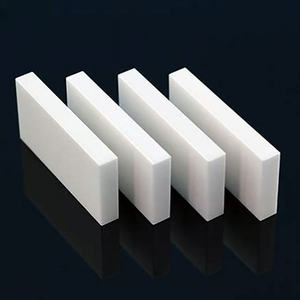
99.5% Fine Calcined Alumina Powder for LED PCB (Dielectric) (CAS 1344-28-1)
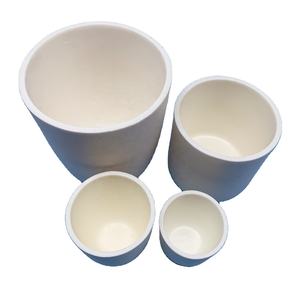
Pink Alumina (Al2O3) Ceramic Substrate for High-Frequency Applications
High Quality 96% Alumina (Al2O3) Ceramic Substrate Wafer

Zirconia-Gravel Enhanced Alumina Ceramic Basket Gemstone – 38.1x25x23mm
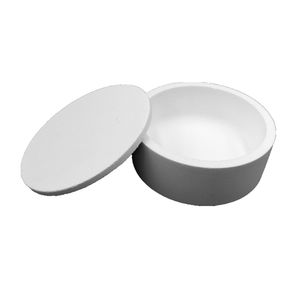
96% Alumina (Al2O3) High Purity Ceramic Substrate Plate