Next-Generation Ceramics: Unlocking Superior Properties for Industry

PRODUCT PARAMETERS
Description
Overview of Pure Quartz Elevating the Glass and Ceramic Industry
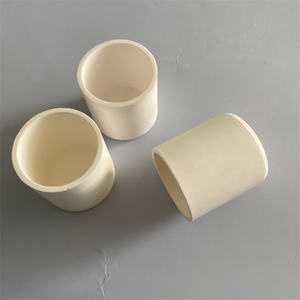
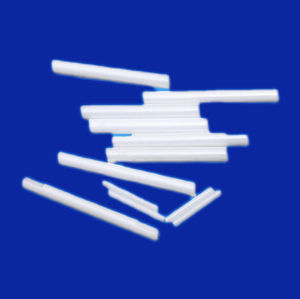
Quartz ceramics, also known as fused silica ceramics or re-bonded quartz products, are a high-performance advanced ceramic material. Unlike traditional clay-based ceramics, they are not made by sintering clay, but rather from high-purity fused silica (silicon dioxide, SiO₂) that is crushed, shaped, and then sintered at high temperatures.
Their core appeal lies in their unique combination of the excellent properties of fused silica glass (such as extremely low thermal expansion coefficient and excellent thermal shock stability) and the structural strength and versatility of ceramics (they can be made into crucibles, rollers, and irregularly shaped parts), overcoming the limitations of fused silica glass in terms of difficulty in manufacturing large sizes and complex shapes, and its high cost.
Quartz ceramics perform exceptionally well in harsh environments involving high temperatures, rapid temperature changes, and chemical corrosion, and are widely used in solar photovoltaics (crucibles for polycrystalline silicon ingot furnaces), semiconductors, aerospace, metallurgy and casting, the glass industry, and laboratories.
Main Characteristics of Pure Quartz Elevating the Glass and Ceramic Industry
Excellent Thermal Shock Stability: They have an extremely low thermal expansion coefficient, generating almost no thermal stress during rapid temperature changes, and can withstand rapid cooling from extremely high temperatures to room temperature without cracking.
Extremely High Temperature Resistance and Thermal Stability: They can be used continuously at temperatures of 1100°C – 1350°C, and can even withstand higher temperatures for short periods. They do not soften or deform at high temperatures and maintain good dimensional stability.
Excellent Chemical Inertness and Corrosion Resistance: Except for hydrofluoric acid and hot concentrated phosphoric acid, they have strong resistance to most acids, salt solutions, and molten metals (such as aluminum, copper, gold, silver, and platinum), making them ideal melting and containment vessels.
Low Thermal Conductivity and Good Electrical Insulation: They have low thermal conductivity, making them excellent thermal insulation materials. They also maintain good electrical insulation properties at high temperatures.
High Purity and Low Contamination Risk: Made from high-purity quartz sand, they do not contaminate the high-purity molten metals or semiconductor materials they come into contact with, ensuring process cleanliness.
Moderate Mechanical Strength: Compared to most engineering ceramics, their mechanical strength at room temperature is relatively low; they are brittle materials. However, their strength is sufficient under their designed operating conditions (high-temperature insulation, thermal shock resistance). Its strength can be improved by optimizing the formula and manufacturing process.
Specifications of Pure Quartz Elevating the Glass and Ceramic Industry
Requirements of Pure Quartz Boosting the Glass and Ceramic Industry
Unmatched Purity for Superior Efficiency
Pure quartz used in glass and ceramic production contains over 99.9% SiO ₂. This high pureness eliminates undesirable impurities like iron, light weight aluminum, and alkali metals. These contaminants typically cause discoloration or damage final products. With pure quartz, suppliers obtain constant outcomes every time.
Specific Particle Size Control
The product is carefully crushed to specific fragment sizes. Options range from fine powders under 45 microns to coarser grains approximately 2 millimeters. This control helps match specific production requirements. Fine grades thaw uniformly in glass batches. Coarser qualities support structural stability in porcelains.
Reduced Thermal Development
Pure quartz broadens extremely little when heated up. This residential property lowers stress throughout firing or melting cycles. Glass makers benefit from fewer fractures and bubbles. Ceramic producers see much less warping or breakage in kilns.
High Melting Factor and Stability
Melting point goes beyond 1,650 ° C (3,000 ° F). This stability enables use in high-temperature procedures without breaking down. The material keeps its chemical structure even under extreme heat. That indicates cleaner thaws and purer final product.
Consistent Supply and Quality
Every set fulfills strict market criteria. Vendors examination basic materials prior to handling. They additionally check moisture material, which stays below 0.1%. This interest makes sure smooth handling and foreseeable actions in production lines.
Ecologically Responsible Sourcing
Quartz is mined using techniques that restrict environmental impact. Handling makes use of very little water and power. Waste is reused whenever possible. This technique sustains sustainable production objectives without compromising top quality.
Pure quartz stays a keystone material for contemporary glass and ceramic advancement. Its physical and chemical characteristics address genuine obstacles on the factory floor. From smart device screens to sanitaryware, its function is both quiet and crucial.
Applications of Pure Quartz Elevating the Glass and Ceramic Industry
Applications of Pure Quartz Boosting the Glass and Ceramic Market
Why Pureness Issues
Pure quartz is a key material in making premium glass and porcelains. Its all-natural properties help manufacturers create products that are strong, clear, and heat-resistant. Also small contaminations can compromise the final product or alter its shade. That’s why industries depend on quartz with over 99.9% pureness.
In Glass Production
Glass manufacturers make use of pure quartz as the main source of silica. Silica forms the foundation of a lot of glass types. When thawed at heats, pure quartz helps produce glass that remains transparent and smooth. This is vital for optical lenses, mobile phone screens, and laboratory glassware. Without high-purity quartz, these products would not meet stringent efficiency requirements.
In Advanced Ceramics
Ceramic producers also depend upon pure quartz. It works as a filler and stabilizer during shooting. The result is a thick, long lasting ceramic body that resists breaking under thermal stress. This makes it suitable for pots and pans, electrical insulators, and aerospace elements. Pure quartz makes sure consistent shrinking and form during production, which minimizes waste and improves return.
Supporting Technology
As demand expands for thinner, more powerful, and smarter materials, pure quartz continues to play an important function. It allows new layouts in touchscreens, LED lighting, and energy-efficient home windows. Producers select it not just for reliability however, for its capacity to sustain innovative applications without compromising quality.
Pure quartz is more than a resources– it’s a foundation for development in both typical and modern-day production.

Company Profile
Synthetic-chemical focus on the research and development, production and sales of ceramic products, serving the electronics, ceramics, chemical and other industries. Since its establishment in 2015, the company has been committed to providing customers with the best products and services, and has become a leader in the industry through continuous technological innovation and strict quality management.
Our products includes but not limited to Aluminum Nitride, Aluminum Oxide, Boron Carbide, Boron Nitride, Ceramic Crucible, ect. If you are interested in any type of these, please feel free to contact us.

Payment Methods
T/T, Western Union, Paypal, Credit Card etc.
Shipment Methods
By air, by sea, by express, as customers request.
5 FAQs of Pure Quartz Elevating the Glass and Ceramic Industry
Why is Pure Quartz Important for Glass and Ceramics?
Pure quartz brings unmatched clarity and strength to glass and ceramic products. Its high silica content helps materials melt evenly and form smooth, durable surfaces. Without impurities, the final product looks cleaner and lasts longer.
How Does Pure Quartz Improve Product Quality?
When manufacturers use pure quartz, they reduce defects like bubbles or discoloration. This leads to clearer glass and more consistent ceramic glazes. The result is a premium finish that meets strict industry standards.
Can Pure Quartz Handle High Temperatures?
Yes. Pure quartz has a very high melting point and stays stable under extreme heat. This makes it ideal for processes that require intense firing or melting, such as in specialty glass or technical ceramics.
Is Pure Quartz Environmentally Friendly?
Pure quartz is a natural mineral. It does not release harmful substances during production. Many companies choose it because it supports cleaner manufacturing and reduces waste.
What Sets Pure Quartz Apart from Other Silica Sources?
Not all silica is the same. Pure quartz contains fewer contaminants like iron or aluminum. These impurities can weaken glass or alter ceramic colors. With pure quartz, makers get reliable performance and better-looking end products every time.
REQUEST A QUOTE
RELATED PRODUCTS
CNC Axis Automatic Bridge Saw for Marble Granite Ceramic Quartz
Good Custom Ceramics Quartz Stone Press Machine
Glass Tempering Furnace Quartz Fused Silica Ceramic Roller
China Ball Mill Machine Laboratory Ceramic for Quartz
Quartz Shield Ceramic Crucible for Melting Gold and Silver Jewelry