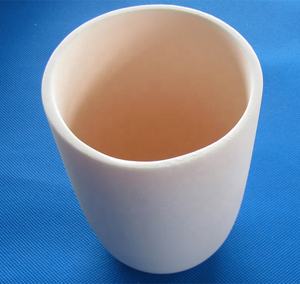
Next-Generation Ceramics: Unlocking Superior Properties for Industry

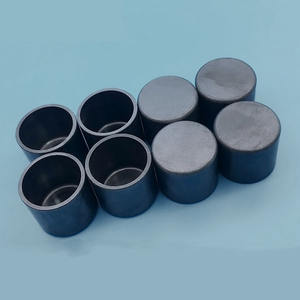
PRODUCT PARAMETERS
Description
Overview of Inert Gas Atmosphere Furnace with Quartz Alumina Ceramic Tube
Quartz ceramics, also known as fused silica ceramics or re-bonded quartz products, are a high-performance advanced ceramic material. Unlike traditional clay-based ceramics, they are not made by sintering clay, but rather from high-purity fused silica (silicon dioxide, SiO₂) that is crushed, shaped, and then sintered at high temperatures.
Their core appeal lies in their unique combination of the excellent properties of fused silica glass (such as extremely low thermal expansion coefficient and excellent thermal shock stability) and the structural strength and versatility of ceramics (they can be made into crucibles, rollers, and irregularly shaped parts), overcoming the limitations of fused silica glass in terms of difficulty in manufacturing large sizes and complex shapes, and its high cost.
Quartz ceramics perform exceptionally well in harsh environments involving high temperatures, rapid temperature changes, and chemical corrosion, and are widely used in solar photovoltaics (crucibles for polycrystalline silicon ingot furnaces), semiconductors, aerospace, metallurgy and casting, the glass industry, and laboratories.
Main Characteristics of Inert Gas Atmosphere Furnace with Quartz Alumina Ceramic Tube
Excellent Thermal Shock Stability: They have an extremely low thermal expansion coefficient, generating almost no thermal stress during rapid temperature changes, and can withstand rapid cooling from extremely high temperatures to room temperature without cracking.
Extremely High Temperature Resistance and Thermal Stability: They can be used continuously at temperatures of 1100°C – 1350°C, and can even withstand higher temperatures for short periods. They do not soften or deform at high temperatures and maintain good dimensional stability.
Excellent Chemical Inertness and Corrosion Resistance: Except for hydrofluoric acid and hot concentrated phosphoric acid, they have strong resistance to most acids, salt solutions, and molten metals (such as aluminum, copper, gold, silver, and platinum), making them ideal melting and containment vessels.
Low Thermal Conductivity and Good Electrical Insulation: They have low thermal conductivity, making them excellent thermal insulation materials. They also maintain good electrical insulation properties at high temperatures.
High Purity and Low Contamination Risk: Made from high-purity quartz sand, they do not contaminate the high-purity molten metals or semiconductor materials they come into contact with, ensuring process cleanliness.
Moderate Mechanical Strength: Compared to most engineering ceramics, their mechanical strength at room temperature is relatively low; they are brittle materials. However, their strength is sufficient under their designed operating conditions (high-temperature insulation, thermal shock resistance). Its strength can be improved by optimizing the formula and manufacturing process.
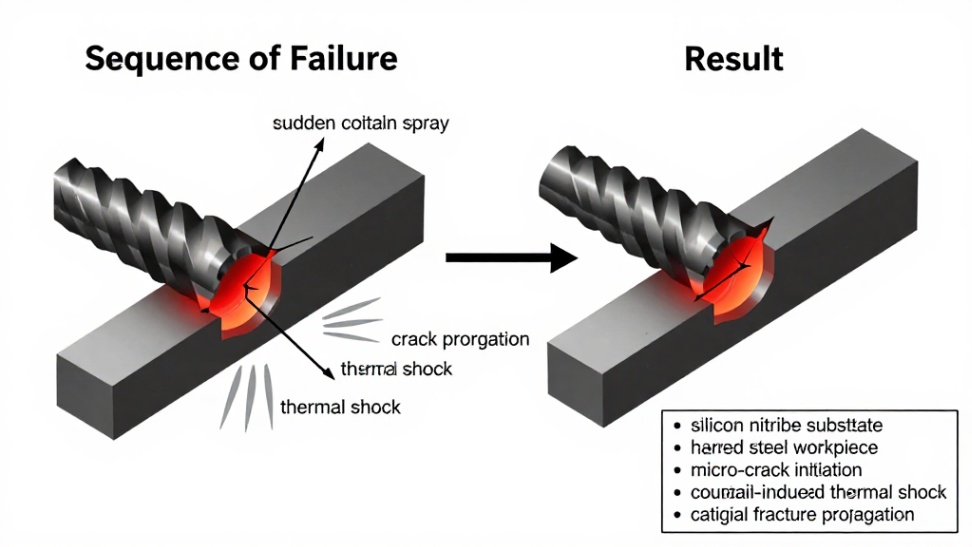
Specifications of Inert Gas Atmosphere Furnace with Quartz Alumina Ceramic Tube
Specifications of Inert Gas Ambience Heating System with Quartz Alumina Ceramic Tube
Design and Building and construction
This heater utilizes a high-purity quartz or alumina ceramic tube as its heating chamber. The tube stands up to thermal shock and functions well in inert gas atmospheres. The external shell is constructed from stainless steel. It consists of insulation to reduce heat loss and keep surface area temperature levels safe.
Temperature level Efficiency
The heating system reaches a maximum temperature level of 1200 ° C with the quartz tube. With the alumina ceramic tube, it can increase to 1600 ° C. Burner are installed in the insulation layer for also warmth distribution. Temperature control is exact, with precision within ± 1 ° C.
Atmosphere Control
Gas inlets and electrical outlets permit full control of the interior environment. Users can remove air and fill up the chamber with argon, nitrogen, or other inert gases. A stress relief valve maintains internal stress safe. Optional mass circulation controllers help establish precise gas flow prices.
Control System
An electronic PID temperature level controller handles heating accounts. It sustains multi-segment programs for complex warmth cycles. An over-temperature defense attribute closes down the system if limits are surpassed. All settings are shown on an easy-to-read display.
Dimensions and Power
Standard tube diameters vary from 25 mm to 100 mm. Lengths differ from 300 mm to 1000 mm. Custom sizes are offered on request. The furnace works on 220 V or 110 V air conditioning power, depending on the model. Power consumption varies from 2 kW to 8 kW.
Safety and security and Conformity
All units meet global electric and thermal security standards. Ground mistake defense and emergency quit buttons are included. The design prevents gas leakages and makes sure secure operation during long terms.
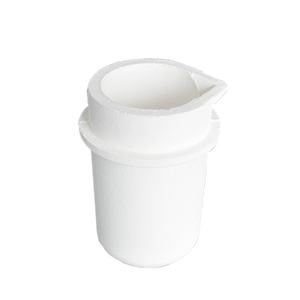
Applications of Inert Gas Atmosphere Furnace with Quartz Alumina Ceramic Tube
Applications of Inert Gas Environment Heater with Quartz-Alumina Porcelain Tube
High-Temperature Processing in Controlled Settings
This heating system makes use of a quartz-alumina ceramic tube to sustain high-temperature operations. The tube resists thermal shock and chemical corrosion. It functions well under temperatures up to 1600 ° C. The inert gas atmosphere avoids unwanted responses throughout heating.
Product Synthesis and Sintering
Researchers utilize this heating system to make advanced ceramics, steel oxides, and composite materials. The inert gas– usually argon or nitrogen– stops oxidation. This is very important when dealing with responsive metals like titanium or zirconium. Sintering powders right into dense solids also take advantage of the tidy, stable environment inside television.
Warm Therapy of Delicate Elements
Electronics and aerospace parts typically need specific warm treatment. Direct exposure to oxygen can harm these elements. The sealed quartz-alumina tube full of inert gas protects them. Annealing, stress and anxiety easing, and crystal growth take place without surface destruction.
Laboratory Research and Development
Universities and R&D laboratories depend on this setup for reproducible results. The mix of consistent heating and contamination-free conditions sustains experiments in solid-state chemistry, nanomaterials, and battery product growth. The transparent quartz section even permits aesthetic tracking during runs.
Specialized Glass and Fiber Production
Suppliers utilize the furnace to melt and form specialty glasses. The alumina part handles higher lots and abrasion, while quartz uses clarity and pureness. Inert gas circulation makes certain no bubbles or discoloration type during cooling.
The layout equilibriums durability, purity, and efficiency. Users obtain constant results whether they are establishing new materials or refining industrial processes. The quartz-alumina tube’s dual nature makes it ideal for both observation and durable tasks.

Company Profile
Synthetic-chemical focus on the research and development, production and sales of ceramic products, serving the electronics, ceramics, chemical and other industries. Since its establishment in 2015, the company has been committed to providing customers with the best products and services, and has become a leader in the industry through continuous technological innovation and strict quality management.
Our products includes but not limited to Aluminum Nitride, Aluminum Oxide, Boron Carbide, Boron Nitride, Ceramic Crucible, ect. If you are interested in any type of these, please feel free to contact us.

Payment Methods
T/T, Western Union, Paypal, Credit Card etc.
Shipment Methods
By air, by sea, by express, as customers request.
5 FAQs of Inert Gas Atmosphere Furnace with Quartz Alumina Ceramic Tube
Frequently Asked Questions: Inert Gas Atmosphere Furnace with Quartz Alumina Ceramic Tube
What is an inert gas atmosphere furnace used for?
This furnace heats materials in a controlled environment filled with inert gases like argon or nitrogen. It stops oxidation and other unwanted reactions during high-temperature processes. People use it for sintering, annealing, and heat treatment of sensitive materials.
Why choose a quartz alumina ceramic tube?
The tube combines quartz and alumina ceramics. Quartz handles rapid temperature changes well. Alumina offers strong resistance to high heat and chemicals. Together, they give you a durable, stable chamber that works reliably under tough conditions.
Can I use this furnace in air instead of inert gas?
Yes, but only if your process allows exposure to oxygen. The furnace design supports both environments. However, using inert gas protects materials that react with air. Always check your material’s requirements before deciding.
How do I control the gas flow and atmosphere?
The furnace comes with gas inlet and outlet ports. Connect these to your gas supply and exhaust system. Use flow meters and pressure gauges to set the right gas rate. A sealed design keeps the internal atmosphere stable during operation.
What maintenance does the furnace need?
Check the ceramic tube regularly for cracks or wear. Clean the heating elements and insulation as needed. Make sure all seals and fittings stay tight to prevent gas leaks. Follow the manufacturer’s instructions for safe and long-lasting use.
REQUEST A QUOTE
RELATED PRODUCTS
China Ball Mill Machine Laboratory Ceramic for Quartz
Powerful Polishing Chemicals for Quartz Tile and Ceramic Tile
Direct Factory Push Pull Panel Ceramic Tile Quartz Display Rack
Quartz Sample Catalogue Ceramic Tile Stone Granite Sample Book
Fused Silica Quartz Ceramic Roller for Tile Kiln Furnace