Next-Generation Ceramics: Unlocking Superior Properties for Industry

The Hidden Engineering Hero
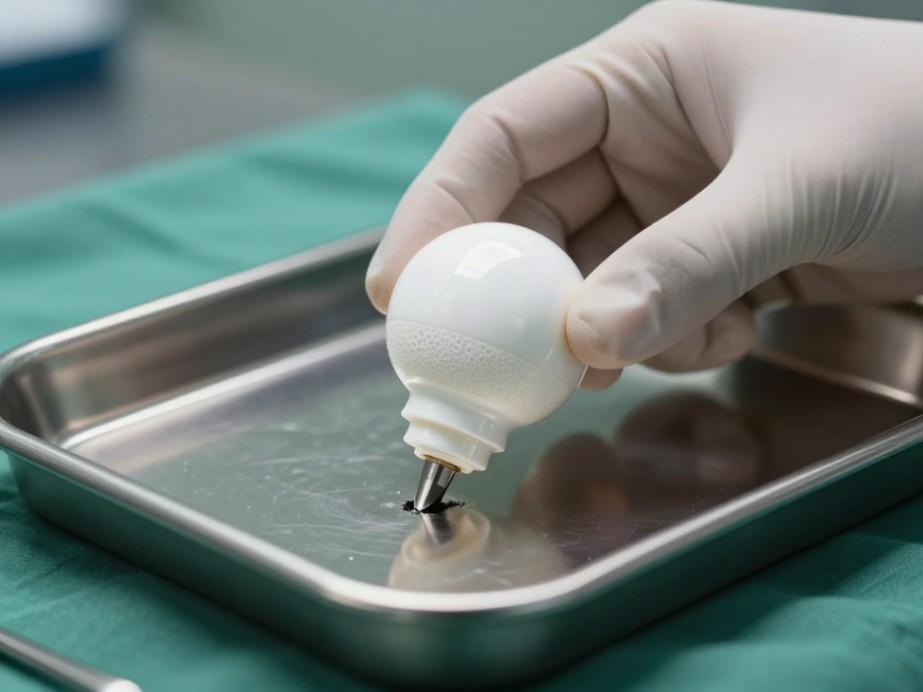
Twenty years ago, I watched a surgeon pick up a new hip implant. He scoffed. “Ceramic? It’ll shatter.” He tapped it against a steel table. The metal dented. The aluminum oxide ceramic didn’t flinch. That moment cemented a truth the industry often overlooks: Alumina isn’t flashy. It’s foundational. It’s the silent, brutal, and reliable workhorse that modern engineering is built upon.
What is Aluminum Oxide Ceramic?
Aluminium oxide ceramic (Al2O3) is a technical ceramic primarily produced from alumina powder through pressing and sintering at high temperatures. Forget complex definitions. It’s engineered rock. We take bauxite ore, refine it into pure powder, and then fuse those particles into a dense, crystalline structure. The result isn’t a single material, but a family. The purity defines the performance.
Common forms include cost-effective 96% alumina for wear parts, and ultra-high-purity 99.5% alumina for critical electronics and biomedical implants where ionic contamination is unacceptable. Its properties are a masterclass in balanced engineering:
- Extreme Hardness: 9 on the Mohs scale. Only diamond, cubic boron nitride, and silicon carbide rank higher.
- Superior Wear Resistance: It outlasts tool steel in abrasive environments by orders of magnitude.
- Excellent Electrical Insulation: Withstands high voltages and high frequencies, even at elevated temperatures.
- High-Temperature Stability: Maintains its shape and strength up to 1700°C.
- Biocompatibility: The human body tolerates it exceptionally well, making it ideal for implants.
The Great Ceramic Showdown: Alumina vs. The Rest
Everyone obsesses over exotic options. But the real question is: When do you need alumina, and when should you pay 3-5x more for something else? This table cuts through the marketing noise.
| Ceramic Type | Key Advantages | Trade-offs vs. Alumina | Ideal Use Case |
|---|---|---|---|
| Aluminum Oxide (Al2O3) | Best cost/performance, excellent hardness/insulation, biocompatible | Lower fracture toughness than zirconia, lower thermal conductivity than nitrides | Wear plates, electronic substrates, medical implants, lab equipment |
| Zirconia (ZrO2) | Highest fracture toughness, superior flexural strength | Higher cost, lower hardness, potential for low-temperature aging in wet environments | Knife blades, precision bearings, dental crowns |
| Silicon Nitride (Si3N4) | Exceptional thermal shock resistance, high strength at temperature | Significantly more expensive, complex sintering | High-performance bearings, turbocharger rotors, cutting tools |
| Aluminum Nitride (AlN) | Very high thermal conductivity (170-200 W/mK) | Expensive, sensitive to oxygen, lower mechanical strength | High-power LED substrates, semiconductor packaging |
| Silicon Carbide (SiC) | Extreme hardness, best thermal conductivity, superb chemical resistance | Brittle, very difficult and expensive to machine to tight tolerances | Ballistic armor, semiconductor process equipment, severe abrasion |
The verdict? If you need a balance of hardness, electrical insulation, and chemical stability on a budget, aluminium oxide ceramic is your starting point. Upgrade only when you have a specific, quantified need that alumina cannot meet.
Where This Unseen Workhorse Operates
You interact with alumina daily. Its applications are a testament to its versatility.
The Industrial Backbone
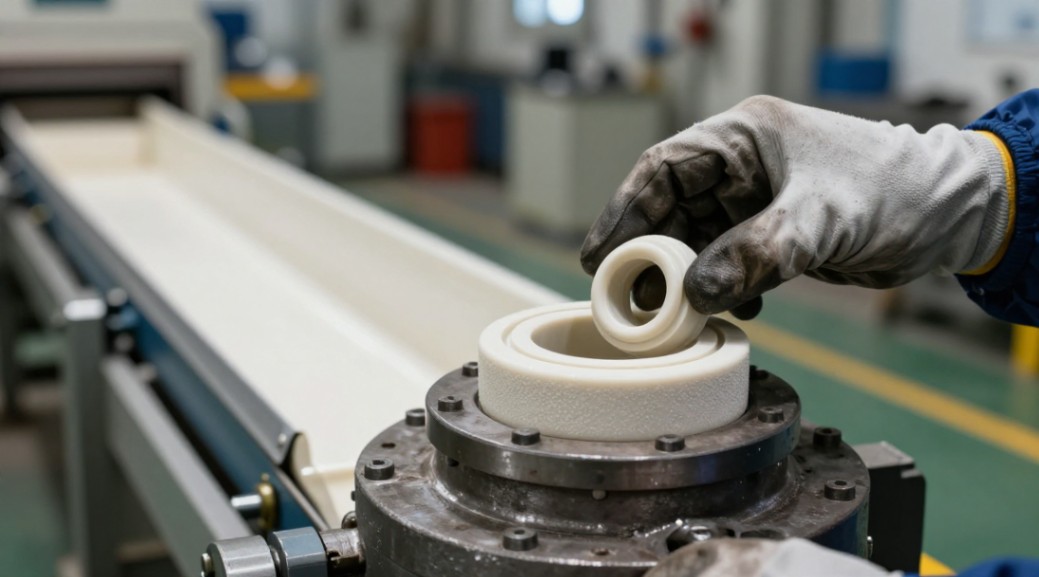
In mining and manufacturing, alumina is the shield. Pump seals that handle abrasive slurries. Wear liners in conveyor chutes. Thread guides on textile machines that see endless friction. It doesn’t degrade. On Reddit’s r/engineering and r/manufacturing, you’ll find posts like: “Switched to 99.5% alumina seals from tungsten carbide. Lasts 3x longer, costs 40% less. The only issue is convincing procurement it’s not “just ceramic.”” This is the classic alumina win: outperforming metals in their own game.
The Heart of Modern Electronics
Your phone, your car’s ignition system, a satellite. They all rely on the electrical isolation of aluminum oxide ceramic substrates. The ultra-pure, smooth surface provides the perfect platform for microcircuits. It dissipates heat, handles high power, and remains stable. It’s the silent foundation of the digital world.
Trust Inside the Human Body
That surgeon’s skepticism? Ancient history. Today, high-purity alumina is the gold standard for hip and knee joint bearings. Its biocompatibility and legendary wear resistance prevent metal ion release and polymer debris. It creates a near-perfect, low-friction articulation surface that can last decades.
Engineering with Alumina: The Rules of Engagement
You cannot treat it like metal. Design and machining require respect for its nature.
- Design for Compression, Not Tension: Alumina is strong under compression but brittle under tensile or bending loads. Avoid sharp corners. Use generous radii.
- Specify the Right Grade: Need hermeticity and high strength? Use 99.5%. A simple wear plate? 96% is perfect. The 3.5% purity difference massively impacts properties and cost.
- Machine with Diamond Tools: Only diamond grinding wheels and drills can cut it. It’s a finishing process, not a machining one. Tolerances are achievable, but they cost money.
- Forget Welding or Bending: You form it in the green state, then sinter it to final size. Net-shape or near-net-shape design is critical to control costs.
The Future is Reinforced
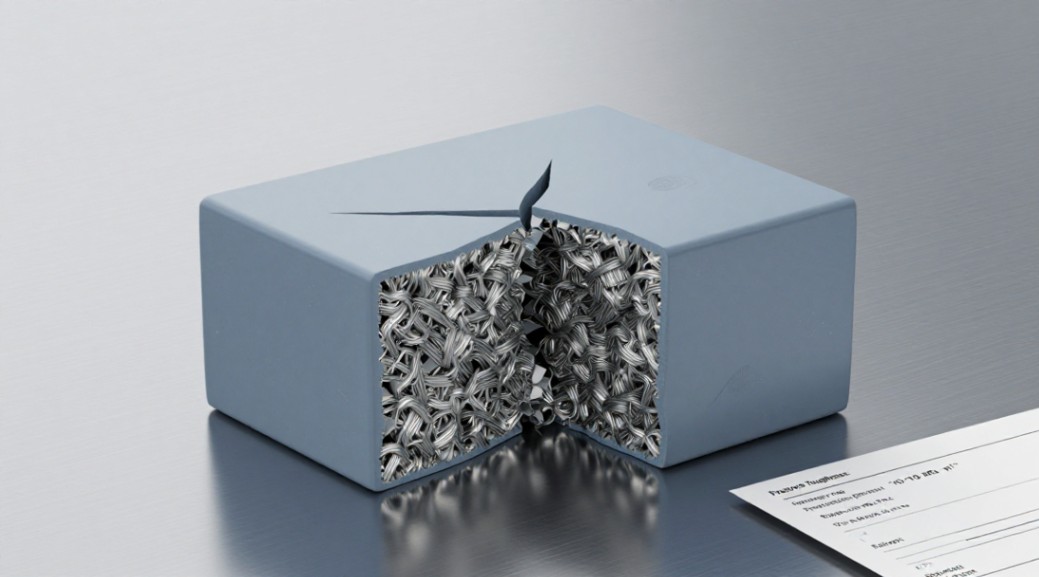
The main knock on alumina is brittleness. The future lies in composite structures, mirroring breakthroughs in Ultra-High Temperature Ceramic Matrix Composites (UHTCMCs). Imagine using a “double continuous structure” slurry infiltration strategy not for carbon fiber, but for embedding alumina with graphene or silicon carbide whiskers. This could push fracture toughness from ~4 MPa·m¹/² toward 10-15 MPa·m¹/² while retaining alumina’s core benefits. We’re not just sintering powder anymore; we’re architecting microstructure.
Stop Speculating. Start Testing.
If you’re evaluating materials for a wear component, an insulator, or a critical jig, the theoretical debate ends here. The data shows aluminium oxide ceramic delivers unmatched ROI for a vast swath of engineering challenges. Your next step is empirical. Don’t just read spec sheets. Get physical samples-96% and 99.5%-and test them against your current material under real-world conditions. Scratch them. Heat them. Load them. Let the material prove its own case. Contact a specialized ceramic manufacturer today with your exact parameters and request test coupons. The only thing you have to lose is downtime and replacement costs.
Suppiler
Synthetic-chemical focus on the research and development, production and sales of ceramic products, serving the electronics, ceramics, chemical and other industries. Since its establishment in 2015, the company has been committed to providing customers with the best products and services, and has become a leader in the industry through continuous technological innovation and strict quality management.
Our products includes but not limited to Aluminum Nitride, Aluminum Oxide, Boron Carbide, Boron Nitride, Ceramic Crucible, ect. If you are interested in any type of these, please feel free to contact us.