Next-Generation Ceramics: Unlocking Superior Properties for Industry

PRODUCT PARAMETERS
Description
Overview of Sintered Hexagonal Silicon Carbide Ceramic Tile
Silicon Carbide (SiC) is a super-hard, synthetic ceramic material known for its outstanding thermal conductivity, exceptional wear resistance, and ability to maintain high strength at extreme temperatures. It excels in demanding mechanical, thermal, and corrosive environments where other materials fail.
Features of Sintered Hexagonal Silicon Carbide Ceramic Tile
- Exceptional Wear & Abrasion Resistance: Extremely hard and durable, ideal for severe wear applications.
- High Thermal Conductivity: Excellent heat dissipation, superior to most metals at high temperatures.
- Superior Chemical Resistance: Resists attack by acids, alkalis, and molten metals.
- High-Temperature Strength: Maintains mechanical strength up to 1650°C.
- Excellent Thermal Shock Resistance: Withstands rapid temperature changes far better than Alumina.
- Semiconducting Properties: Can be engineered as an electrical conductor or insulator.
Specification of Sintered Hexagonal Silicon Carbide Ceramic Tile
Specification of Sintered Hexagonal Silicon Carbide Ceramic Tile
Material and Composition
These tiles are made from high-purity silicon carbide (SiC) powder. The material is shaped into a hexagonal form and then sintered at very high temperatures. No binders or additives are used during the process. This results in a dense, strong ceramic with excellent thermal and mechanical properties.
Physical Properties
The typical density of the tile is between 3.05 and 3.15 g/cm³. Its hardness reaches up to 9.5 on the Mohs scale, making it highly resistant to wear and abrasion. The compressive strength exceeds 300 MPa. Thermal conductivity ranges from 80 to 120 W/m·K, which allows efficient heat transfer. The coefficient of thermal expansion is low—about 4.5 × 10⁻⁶ /°C—so the tile stays stable under rapid temperature changes.
Dimensions and Tolerances
Standard tiles feature a hexagonal shape with flat sides. Common side lengths range from 25 mm to 100 mm. Thickness options include 5 mm, 10 mm, and 15 mm. Dimensional tolerances are tight: ±0.2 mm for length and ±0.1 mm for thickness. Surface flatness is held within ±0.1 mm across the entire face.
Performance Features
High-temperature resistance: These tiles can operate continuously at temperatures up to 1600°C in inert atmospheres.
Chemical stability: They resist corrosion from acids, alkalis, and molten metals.
Thermal shock resistance: Thanks to low thermal expansion and high conductivity, they handle sudden heating or cooling without cracking.
Wear resistance: Their extreme hardness ensures long service life in abrasive environments.
Applications
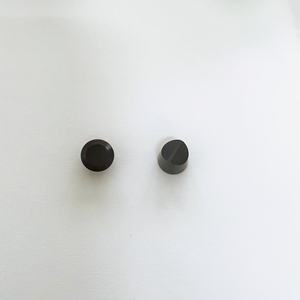
These tiles are used in kiln furniture, burner nozzles, heat exchangers, and wear plates. Industries such as metallurgy, ceramics, and semiconductor manufacturing rely on them for demanding thermal and mechanical conditions.
Applications of Sintered Hexagonal Silicon Carbide Ceramic Tile
Applications of Sintered Hexagonal Silicon Carbide Ceramic Tile
Extreme Environments Demand Tough Materials
Sintered hexagonal silicon carbide ceramic tiles stand up to the toughest conditions. They handle high heat, sharp impacts, and harsh chemicals without breaking down. This makes them perfect for places where regular materials fail fast.
Industrial Furnaces and Kilns
These tiles line the inside of industrial furnaces and kilns. They keep heat in and protect metal parts from melting or warping. Their strong structure stays stable even when temperatures swing quickly. Factories use them to boost efficiency and cut downtime.
Wear-Resistant Linings
In mining, power plants, and cement factories, equipment faces constant abrasion. Sintered silicon carbide tiles shield chutes, hoppers, and pipes from wear. They last much longer than steel or standard ceramics. This means fewer replacements and lower maintenance costs.
Chemical Processing Equipment
Strong acids and alkalis eat through many materials. But sintered hexagonal silicon carbide resists corrosion well. Plants use these tiles to line tanks, reactors, and valves. They help keep operations safe and running smoothly.
Aerospace and Defense Uses
Jet engines and armor systems need lightweight yet hard materials. These ceramic tiles offer both. They protect critical parts from heat and impact without adding heavy weight. That’s why engineers choose them for high-performance applications.
Semiconductor Manufacturing
Cleanrooms demand parts that won’t shed particles or react with gases. Sintered silicon carbide meets those strict standards. It’s used in wafer handling tools and chamber components. Its purity and stability support precision manufacturing.
Why Choose This Material?
It’s simple: when failure is not an option, sintered hexagonal silicon carbide delivers. It combines hardness, thermal conductivity, and chemical resistance in one reliable package. Industries trust it because it works—day after day, under pressure.

Company Profile
Synthetic-chemical focus on the research and development, production and sales of ceramic products, serving the electronics, ceramics, chemical and other industries. Since its establishment in 2015, the company has been committed to providing customers with the best products and services, and has become a leader in the industry through continuous technological innovation and strict quality management.
Our products includes but not limited to Aluminum Nitride, Aluminum Oxide, Boron Carbide, Boron Nitride, Ceramic Crucible, ect. If you are interested in any type of these, please feel free to contact us.

Payment Methods
T/T, Western Union, Paypal, Credit Card etc.
Shipment Methods
By air, by sea, by express, as customers request.
5 FAQs of Sintered Hexagonal Silicon Carbide Ceramic Tile
Frequently Asked Questions About Sintered Hexagonal Silicon Carbide Ceramic Tile
What is sintered hexagonal silicon carbide ceramic tile?
This tile is made from pure silicon carbide powder. It is shaped into a hexagon and fired at very high temperatures. The sintering process bonds the particles tightly without melting them. The result is a hard, dense, and strong ceramic tile.
Why choose hexagonal shape?
The hexagon shape fits together with no gaps. This creates a seamless surface that resists wear and stops debris from getting stuck. It also spreads weight evenly, which helps the tile last longer under heavy use.
Where are these tiles used?
These tiles work well in tough environments. You’ll find them lining kilns, furnaces, and heat treatment chambers. They are also used in chemical plants, metal processing lines, and areas needing high thermal shock resistance.
How do they handle high temperatures?
Silicon carbide stays stable up to 1600°C (2912°F). It does not crack or warp easily when heated or cooled quickly. This makes the tile reliable in places where temperature changes happen often.
Are they resistant to chemicals and abrasion?
Yes. These tiles resist most acids, alkalis, and molten metals. Their surface is extremely hard—close to diamond hardness—so it stands up well against scratching, grinding, and erosion. This means less maintenance and longer service life in harsh conditions.
REQUEST A QUOTE
RELATED PRODUCTS
High Resistant Silicon Carbide Ceramic Lined Pipes
Metal Finishing Media with High Alumina and Silicon Carbide Ceramic Balls
High Quality Refractory Silicon Carbide Ceramic Plate
Silicon Carbide Industrial Ceramic Sinter High Temperature Elements
Ceramic Hook Sanding Paper with Silicon Carbide