Next-Generation Ceramics: Unlocking Superior Properties for Industry

PRODUCT PARAMETERS
Description
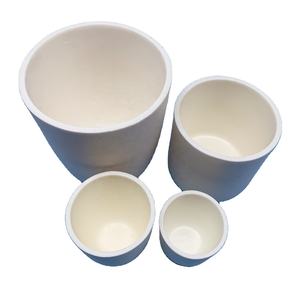
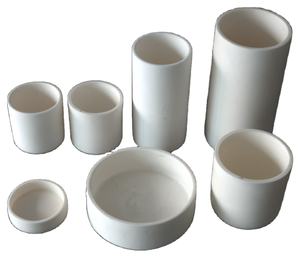
Overview of High Temperature Resistant Alumina Ceramic Crucible for Applications
A Ceramic Crucible is a vessel designed to withstand extreme temperatures for melting, calcining, or reacting chemical substances. Advanced ceramic crucibles are engineered from high-purity materials like Alumina, Zirconia, Boron Nitride, or Magnesia, chosen for their ability to contain specific molten materials without contamination or failure.
Features of High Temperature Resistant Alumina Ceramic Crucible for Applications
- Extreme Temperature Resistance: Can operate continuously from 1000°C to over 1800°C, depending on the material.
- High Purity & Chemical Inertness: Minimizes reaction with and contamination of the melt (metal, glass, salt, ash).
- Excellent Thermal Shock Resistance: (Grade-dependent) Can withstand rapid heating and cooling cycles.
- Variety of Compositions & Designs: Tailored for specific applications (e.g., BN for reactive metals, ZrO₂ for precious metals, MgO for basic slags).
- Durable & Reusable: High-quality crucibles can survive multiple cycles, providing long service life.
Specifications of High Temperature Resistant Alumina Ceramic Crucible for Applications
High-Temperature Immune Alumina Ceramic Crucible
Key Requirements
This crucible is made from high-purity alumina ceramic. It consists of at the very least 99.5% light weight aluminum oxide (Al ₂ O TWO). The product gives the crucible strong resistance to warm and chemical deterioration.
The crucible can take care of constant use at temperature levels up to 1650 ° C (3002 ° F). It stays stable also under quick temperature level modifications. This makes it safe for repeated home heating and cooling down cycles popular lab or commercial settings.
Its density is around 3.9 g/cm ³. This limited structure aids protect against splits and leakages. The crucible likewise shows extremely low thermal growth, which adds to its durability throughout high-heat operations.
Common Applications
Research laboratory analysis: Used for melting, fusing, or holding examples during XRF, ICP, or other analytical examinations.
Metallurgy: Holds molten metals like gold, silver, platinum, and some alloys without reacting with them.
Product synthesis: Sustains solid-state responses, crystal development, and ceramic sintering processes.
High-temperature ashing: Perfect for burning off organic material while keeping inorganic deposit undamaged.
The smooth inner surface area minimizes example sticking. This helps with very easy cleansing and exact results. The crucible works well with standard lab furnaces, smother stoves, and induction heaters.
Physical Details
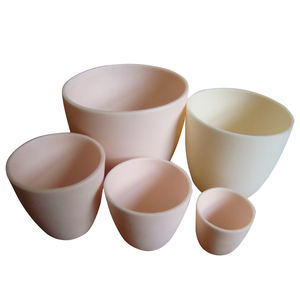
Available alike dimensions from 10 mL to 300 mL. Forms consist of round, cone-shaped, and boat-style. Each item is precision-formed to guarantee consistent wall surface thickness and flat bases for steady positioning.
All crucibles go through stringent high quality checks. They are free from fractures, pores, or surface area imperfections that can deteriorate efficiency. This makes certain reliable usage over many heating cycles.
Applications of High Temperature Resistant Alumina Ceramic Crucible for Applications
High-Temperature Alumina Ceramic Crucibles: Constructed for Requiring Atmospheres
Why Pick Alumina Ceramic?
Alumina ceramic crucibles handle extreme warm without breaking down. They remain solid also when temperatures exceed 1600 ° C. This makes them perfect for tasks where routine products would certainly melt or crack.
Steel and Alloy Handling
These crucibles are commonly used in melting and spreading steels like gold, silver, platinum, and light weight aluminum. Their high pureness prevents undesirable reactions with molten metal. That means cleaner results and less waste. Factories and fashion jewelry makers depend on them every day.
Glass and Glaze Work
Glass musicians and ceramic studios use alumina crucibles to melt glass or prepare lusters. The material withstands chemical assault from changes and colorants. It also maintains its shape under long home heating cycles, so sets stay constant.
Lab and Study Use
In labs, accuracy matters. Alumina crucibles provide secure performance throughout ash testing, sample blend, and high-temperature synthesis. They do not launch contaminations, which aids maintain test information exact. Scientist count on them for repeatable results.
Industrial Warmth Treatment
Industries that treat materials at high warmth– like sintering powders or annealing components– make use of these crucibles to hold samples safely. Their thermal shock resistance means they can go from cool to hot quickly without fracturing. This saves time and minimizes downtime.
Long Life, Low Upkeep
Alumina crucibles last much longer than many options. They clean quickly and require no special handling in between uses. With time, this reduces prices and maintains workflows smooth. Customers get dependable service with marginal hassle.
Whether you operate in a little workshop or a big plant, a high-temperature alumina ceramic crucible offers sturdiness, purity, and stability when it matters most.

Company Profile
Synthetic-chemical focus on the research and development, production and sales of ceramic products, serving the electronics, ceramics, chemical and other industries. Since its establishment in 2015, the company has been committed to providing customers with the best products and services, and has become a leader in the industry through continuous technological innovation and strict quality management.
Our products includes but not limited to Aluminum Nitride, Aluminum Oxide, Boron Carbide, Boron Nitride, Ceramic Crucible, ect. If you are interested in any type of these, please feel free to contact us.

Payment Methods
T/T, Western Union, Paypal, Credit Card etc.
Shipment Methods
By air, by sea, by express, as customers request.
5 FAQs of High Temperature Resistant Alumina Ceramic Crucible for Applications
Frequently Asked Questions About High-Temperature Resistant Alumina Ceramic Crucibles
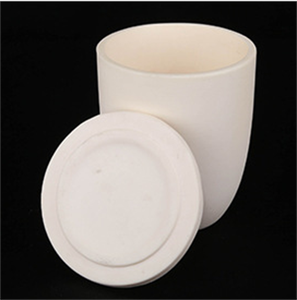
What is an alumina ceramic crucible made of?
This crucible is made from high-purity aluminum oxide (Al₂O₃). The material is shaped and fired at very high temperatures. This gives it strong resistance to heat and chemicals.
How hot can it get before it fails?
These crucibles can safely handle temperatures up to 1700°C (3092°F). They keep their shape and strength even under extreme heat. This makes them ideal for melting metals, ash testing, and high-temperature lab work.
Why choose alumina over other ceramic materials?
Alumina offers better thermal stability and chemical inertness than many other ceramics. It does not react with most acids, bases, or molten metals. It also resists thermal shock better than standard porcelain or quartz in many cases.
Can it be used repeatedly?
Yes. With proper handling, these crucibles last through many heating and cooling cycles. Avoid sudden temperature changes. Always let the crucible cool slowly after use to prevent cracking.
How do I clean and store it?
After use, remove any residue with a soft brush or scraper. Do not use abrasive tools. For stubborn deposits, soak in dilute acid—like hydrochloric acid—then rinse well with water. Store in a dry, clean place away from dust and moisture. Keep it on a flat surface to avoid chipping.
REQUEST A QUOTE
RELATED PRODUCTS
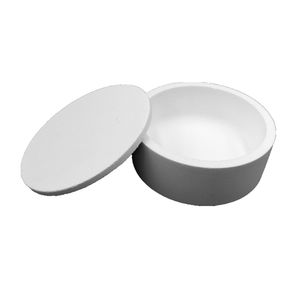
Alumina Combustion Boat Ceramic Crucible with Lid for High Temperature
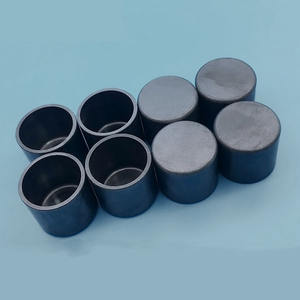
Custom Silicon Nitride Ceramic Crucible for Metal Melting Pot
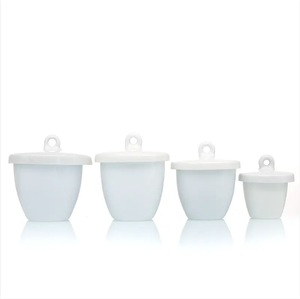
High Purity Alumina Ceramic TGA DSC DTA Crucibles Sample Pan 10x10mm
High Strength Laboratory Dental Ceramic Dental Lab Crucible For Sintering
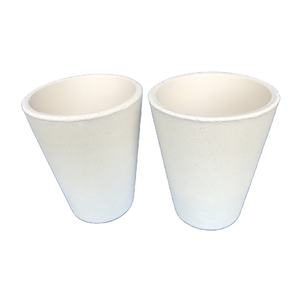
Customizable Size Long Life Casting Quartz Ceramic Crucible For Dental Lab