Next-Generation Ceramics: Unlocking Superior Properties for Industry

PRODUCT PARAMETERS
Description
Overview of Ceramic Quartz Crucible for Precious Metal Melting and Glass
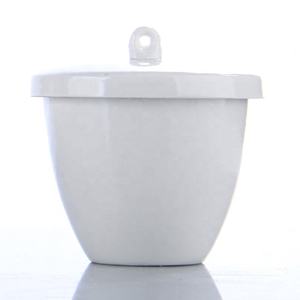
A Ceramic Crucible is a vessel designed to withstand extreme temperatures for melting, calcining, or reacting chemical substances. Advanced ceramic crucibles are engineered from high-purity materials like Alumina, Zirconia, Boron Nitride, or Magnesia, chosen for their ability to contain specific molten materials without contamination or failure.
Features of Ceramic Quartz Crucible for Precious Metal Melting and Glass
- Extreme Temperature Resistance: Can operate continuously from 1000°C to over 1800°C, depending on the material.
- High Purity & Chemical Inertness: Minimizes reaction with and contamination of the melt (metal, glass, salt, ash).
- Excellent Thermal Shock Resistance: (Grade-dependent) Can withstand rapid heating and cooling cycles.
- Variety of Compositions & Designs: Tailored for specific applications (e.g., BN for reactive metals, ZrO₂ for precious metals, MgO for basic slags).
- Durable & Reusable: High-quality crucibles can survive multiple cycles, providing long service life.
Specifications of Ceramic Quartz Crucible for Precious Metal Melting and Glass
Requirements of Ceramic Quartz Crucible for Precious Metal Thawing and Glass
Material and Purity
This crucible is made from high-purity integrated quartz. The raw material has over 99.9% SiO ₂. It has extremely reduced degrees of steel contaminations. This makes it risk-free for thawing gold, silver, platinum, and various other sensitive products. The purity stops unwanted responses throughout high-temperature processes.
Temperature level Resistance
The crucible can manage constant consume to 1200 ° C (2192 ° F). It continues to be secure also under fast heating or cooling cycles. Thermal shock resistance is exceptional as a result of the reduced coefficient of thermal growth in integrated quartz. Users can heat up or cool down the crucible without anxiety of fracturing under regular operating problems.
Style and Measurements
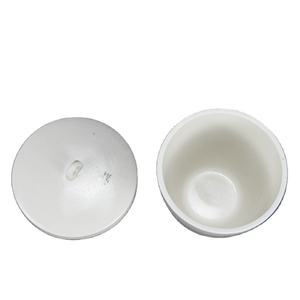
Criterion dimensions range from 10 ml to 500 ml capacity. Wall surface thickness is uniform to make sure even warm circulation. Each crucible features a smooth internal surface that reduces product sticking. Usual forms consist of cylindrical with spherical bases or flat bases, depending upon application needs. Custom measurements are available upon demand.
Chemical Security
Merged quartz resists attack from a lot of acids, except hydrofluoric acid. It does not react with liquified glass or noble metals. This inert actions keeps the melted item tidy and unpolluted. The crucible also stays clear of releasing gases or residues throughout usage.
Handling and Treatment
Stay clear of mechanical tension or sharp effects. Always use ceramic or graphite tongs when taking care of warm crucibles. Do not expose to sudden temperature adjustments past recommended restrictions. Store in a dry place far from dirt and dampness. Clean only with soft brushes or moderate solvents– never abrasive tools.
Applications of Ceramic Quartz Crucible for Precious Metal Melting and Glass
Applications of Ceramic Quartz Crucible for Rare-earth Element Melting and Glass
High-Temperature Performance You Can Trust Fund
Ceramic quartz crucibles handle severe warm without breaking down. They work well at temperature levels over 1,600 ° C. This makes them perfect for thawing precious metals like gold, silver, platinum, and palladium. The material stays secure even when revealed to duplicated home heating and cooling cycles.
Pureness matters in metal refining. These crucibles launch nearly no contaminations throughout usage. That implies your dissolved metal remains tidy and unpolluted. Jewelers and refiners rely on this feature to maintain high product top quality.
Perfect for Glass Handling Too
Glass manufacturers also take advantage of ceramic quartz crucibles. The smooth internal surface prevents glass from sticking. It permits easy putting and reduces waste. Whether you’re working with optical glass, laboratory glassware, or specialty glass items, these crucibles provide constant results.
Resilience satisfies performance. The crucibles withstand thermal shock better than lots of alternatives. They don’t break quickly when temperature changes happen quickly. This cuts downtime and lowers substitute prices with time.
Producers choose ceramic quartz crucibles since they last much longer and execute dependably. Their chemical inertness means they won’t react with the majority of molten materials. This is particularly crucial when handling responsive or sensitive substances.
In both rare-earth element and glass applications, precision and tidiness are non-negotiable. Ceramic quartz crucibles support those demands without concession. Users get a reputable tool that fits effortlessly right into high-stakes manufacturing environments.

Company Profile
Synthetic-chemical focus on the research and development, production and sales of ceramic products, serving the electronics, ceramics, chemical and other industries. Since its establishment in 2015, the company has been committed to providing customers with the best products and services, and has become a leader in the industry through continuous technological innovation and strict quality management.
Our products includes but not limited to Aluminum Nitride, Aluminum Oxide, Boron Carbide, Boron Nitride, Ceramic Crucible, ect. If you are interested in any type of these, please feel free to contact us.

Payment Methods
T/T, Western Union, Paypal, Credit Card etc.
Shipment Methods
By air, by sea, by express, as customers request.
5 FAQs of Ceramic Quartz Crucible for Precious Metal Melting and Glass
Frequently Asked Questions About Ceramic Quartz Crucibles
What is a ceramic quartz crucible used for?
This crucible melts precious metals like gold, silver, and platinum. It also works well for melting glass. The material handles very high heat without breaking down.
Why choose quartz over other materials?
Quartz stays stable at high temperatures. It does not react with most metals or glass. This keeps your melt clean and pure. Other materials might add unwanted elements or wear out faster.
Can I reuse the crucible many times?
Yes, you can reuse it if you handle it carefully. Avoid sudden temperature changes. Let it heat up and cool down slowly. Rough handling or thermal shock may cause cracks.
How do I clean the crucible after use?
Let the crucible cool completely first. Tap out any solid leftovers. For stuck residue, use a soft brush or pick. Do not use water while it is still hot. Never scrub with metal tools—they can scratch or weaken the surface.
What temperature can this crucible handle?
It works safely up to 1,200°C (2,192°F). Some grades go even higher. Always check the exact rating for your specific model. Going beyond the limit may shorten its life or cause failure during use.
REQUEST A QUOTE
RELATED PRODUCTS
Iron Melting Quality Calcium Stabilized Zirconia Ceramic Refractory
Custom Zirconia Ceramic Grinding Media Rods Bars and Crucibles
High Purity Alumina Ceramic Square Boat Sagger and Crucible
Anti Chemical Alumina Ceramic Evaporating Crucible Dish Porcelain
Magnesium Oxide MgO Ceramic Crucible and Tube for Applications