Next-Generation Ceramics: Unlocking Superior Properties for Industry

PRODUCT PARAMETERS
Description
Overview of Iron Melting Quality Calcium Stabilized Zirconia Ceramic Refractory
A Ceramic Crucible is a vessel designed to withstand extreme temperatures for melting, calcining, or reacting chemical substances. Advanced ceramic crucibles are engineered from high-purity materials like Alumina, Zirconia, Boron Nitride, or Magnesia, chosen for their ability to contain specific molten materials without contamination or failure.
Features of Iron Melting Quality Calcium Stabilized Zirconia Ceramic Refractory
- Extreme Temperature Resistance: Can operate continuously from 1000°C to over 1800°C, depending on the material.
- High Purity & Chemical Inertness: Minimizes reaction with and contamination of the melt (metal, glass, salt, ash).
- Excellent Thermal Shock Resistance: (Grade-dependent) Can withstand rapid heating and cooling cycles.
- Variety of Compositions & Designs: Tailored for specific applications (e.g., BN for reactive metals, ZrO₂ for precious metals, MgO for basic slags).
- Durable & Reusable: High-quality crucibles can survive multiple cycles, providing long service life.
Specifications of Iron Melting Quality Calcium Stabilized Zirconia Ceramic Refractory
Specifications of Iron Melting Top Quality Calcium Supported Zirconia Porcelain Refractory
Product Make-up
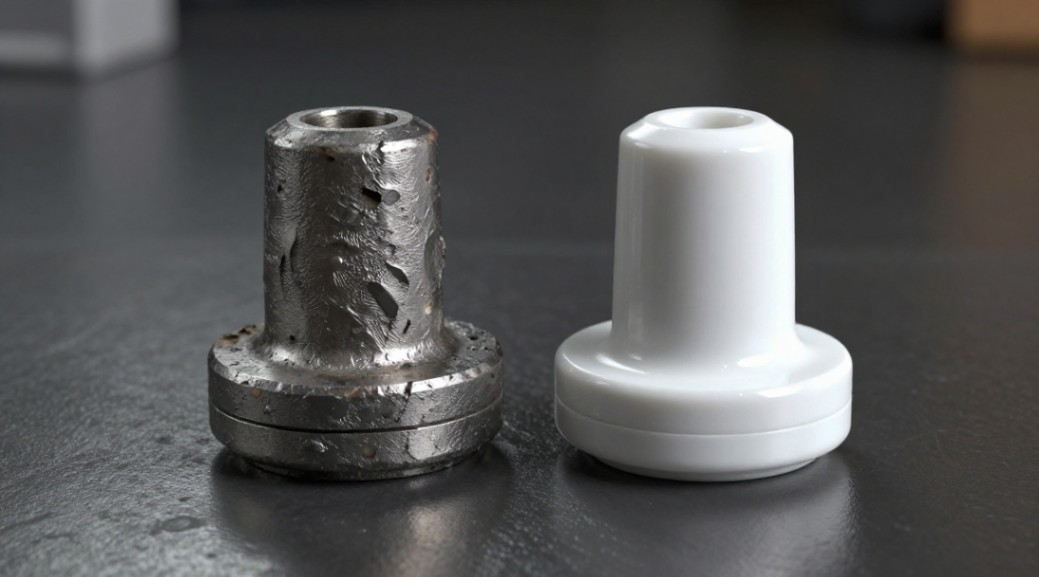
This refractory is made from high-purity zirconia (ZrO ₂) maintained with calcium oxide (CaO). The regular ZrO two content mores than 94%. CaO is added at regarding 5– 7% to preserve structural stability at high temperatures. Small contaminations like silica and alumina are maintained below 0.5% to stay clear of undesirable reactions throughout iron melting.
Physical Properties
The bulk density ranges from 5.6 to 5.8 g/cm THREE. Obvious porosity stays under 12%, which aids withstand metal infiltration and rust. Cold crushing strength goes beyond 150 MPa, making sure sturdiness throughout handling and setup. Thermal development is low and predictable, lowering the threat of cracking throughout home heating cycles.
Thermal Performance
Maximum solution temperature level: 1750 ° C (3182 ° F) in iron melting settings.
Thermal shock resistance: Great– checked by quick quenching from 1100 ° C into water with marginal toughness loss.
Warm conductivity: Low, around 2.0– 2.5 W/m · K at 1000 ° C, which sustains power effectiveness in heaters.
Chemical Resistance
This product reveals strong resistance to thaw iron and slag. It does not respond easily with standard or neutral slags commonly discovered in iron shops. Its calcium stablizing avoids phase adjustments that might deteriorate the framework during long-term direct exposure to high heat.
Applications
Utilized in essential areas of induction heaters, cupolas, and ladles where contact with molten iron occurs. Common components include nozzle blocks, stopper poles, and lining parts near the thaw zone. The product carries out well in both set and constant melting procedures.
Quality Control
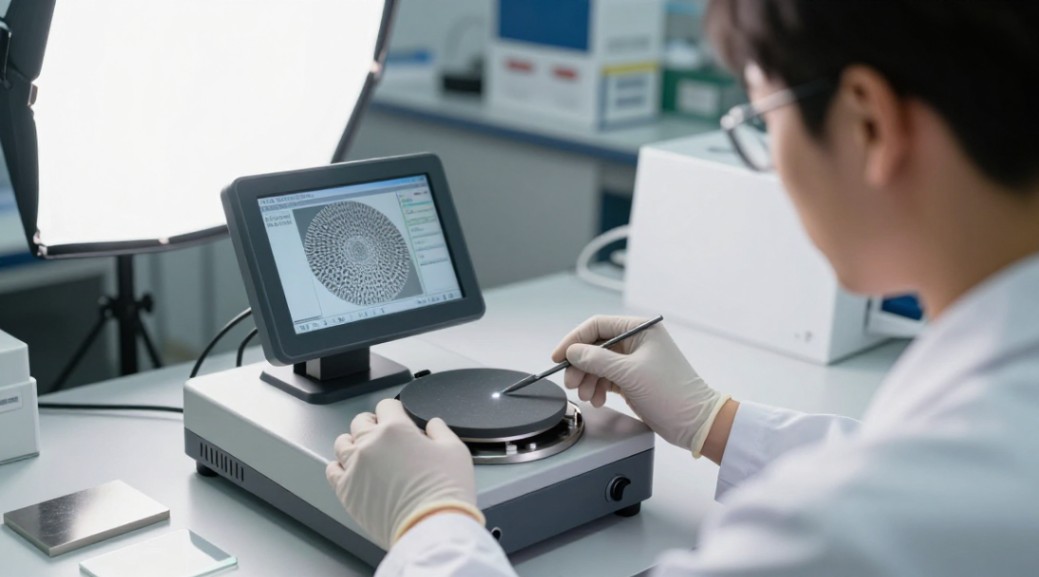
Every set goes through rigorous testing for chemical composition, thickness, porosity, and mechanical toughness. Products satisfy or surpass market requirements for refractories utilized in ferrous metal processing. Consistent quality makes sure reliable efficiency and longer service life.
Applications of Iron Melting Quality Calcium Stabilized Zirconia Ceramic Refractory
Applications of Iron Melting Top Quality Calcium Supported Zirconia Porcelain Refractory
High-Performance Cellular Lining for Iron Melting Furnaces
Calcium stabilized zirconia ceramic refractories are developed to manage the hardest conditions in iron melting procedures. These products maintain their stamina and form also when subjected to extremely heats and aggressive liquified metal. Shops utilize them as furnace linings since they stand up to thermal shock and chemical assault far better than numerous various other refractories.
Long Service Life in Contact with Molten Iron
Molten iron is incredibly corrosive. Criterion refractories typically wear quickly. Iron melting top quality calcium maintained zirconia keeps steady in straight call with liquid iron. It does not quickly react with slag or steel oxides. This means fewer repairs, less downtime, and lower operating expense gradually.
Perfect for Vital Zones in Cupolas and Induction Furnaces
Shop engineers pick this refractory for high-wear areas like tap holes, hearths, and tuyere zones. Its dense microstructure blocks penetration by liquified iron and slag. The product also manages repeated heating and cooling without splitting. That makes it a wise selection for both cupola and induction furnaces made use of in actors iron manufacturing.
Consistent Performance Throughout Batches
Quality control matters in steel spreading. Calcium supported zirconia porcelains supply consistent efficiency from one thaw to the following. They do not present contaminations right into the iron. This helps keep consistent chemistry and reduces defects in last spreadings.
Relied On Demanding Industrial Settings
Steel and shop plants rely on this refractory where failing is not an option. Its tried and tested record in continuous iron melting procedures shows why it remains a leading option for drivers who need reputable, durable security versus severe heat and deterioration.

Company Profile
Synthetic-chemical focus on the research and development, production and sales of ceramic products, serving the electronics, ceramics, chemical and other industries. Since its establishment in 2015, the company has been committed to providing customers with the best products and services, and has become a leader in the industry through continuous technological innovation and strict quality management.
Our products includes but not limited to Aluminum Nitride, Aluminum Oxide, Boron Carbide, Boron Nitride, Ceramic Crucible, ect. If you are interested in any type of these, please feel free to contact us.

Payment Methods
T/T, Western Union, Paypal, Credit Card etc.
Shipment Methods
By air, by sea, by express, as customers request.
5 FAQs of Iron Melting Quality Calcium Stabilized Zirconia Ceramic Refractory
Frequently Asked Questions
What is calcium stabilized zirconia ceramic refractory?
This material is a high-performance ceramic made from zirconia and stabilized with calcium oxide. It keeps its strength and shape even at very high temperatures. Foundries use it to line furnaces where iron melts.
Why choose this refractory for iron melting?
Iron melting needs materials that resist heat, corrosion, and thermal shock. Calcium stabilized zirconia handles all three well. It does not react easily with molten iron or slag. This helps protect furnace walls and extends service life.
How does it compare to other refractories?
Many common refractories wear out fast in iron melting because of chemical attack or cracking. Calcium stabilized zirconia stays stable longer. It has low porosity and high density, which blocks metal and slag penetration better than standard bricks.
Is it safe for continuous use?
Yes. This ceramic maintains performance under constant high heat. It resists spalling—sudden flaking caused by temperature swings. That makes it reliable for long campaigns without frequent relining.
What shapes and sizes are available?
Manufacturers offer standard bricks, custom-cut blocks, and precast shapes. You can get pieces made to fit your furnace design exactly. This reduces gaps and improves lining integrity during operation.
REQUEST A QUOTE
RELATED PRODUCTS
Gold Melting Fire Assay Ceramic Crucible Lab Equipment For Assay
Fiberglass Drawing Clay Crucible for Melting Glass Wire
High Temperature Resistant Alumina Ceramic Crucible for Applications
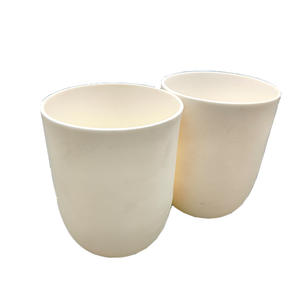
Industrial Heat Resistant Alumina Ceramic Crucible Melting Pot
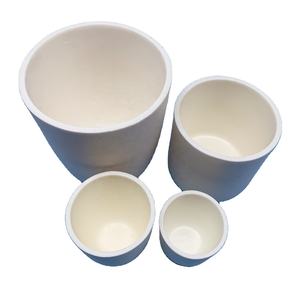
Zirconia Ceramic Crucible For High Temperature Heat Treatment