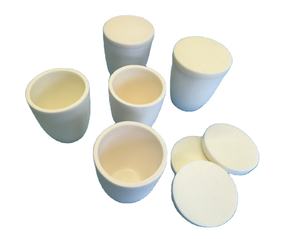
Next-Generation Ceramics: Unlocking Superior Properties for Industry

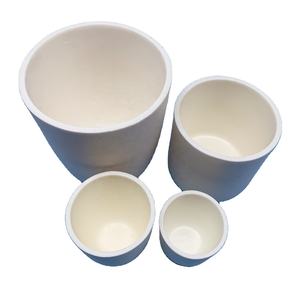
PRODUCT PARAMETERS
Description
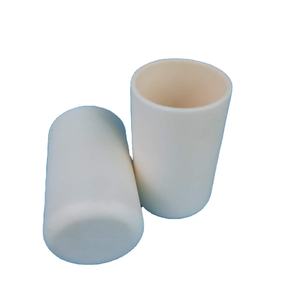
Overview of Zirconia Ceramic Crucible For High Temperature Heat Treatment
A Ceramic Crucible is a vessel designed to withstand extreme temperatures for melting, calcining, or reacting chemical substances. Advanced ceramic crucibles are engineered from high-purity materials like Alumina, Zirconia, Boron Nitride, or Magnesia, chosen for their ability to contain specific molten materials without contamination or failure.
Features of Zirconia Ceramic Crucible For High Temperature Heat Treatment
- Extreme Temperature Resistance: Can operate continuously from 1000°C to over 1800°C, depending on the material.
- High Purity & Chemical Inertness: Minimizes reaction with and contamination of the melt (metal, glass, salt, ash).
- Excellent Thermal Shock Resistance: (Grade-dependent) Can withstand rapid heating and cooling cycles.
- Variety of Compositions & Designs: Tailored for specific applications (e.g., BN for reactive metals, ZrO₂ for precious metals, MgO for basic slags).
- Durable & Reusable: High-quality crucibles can survive multiple cycles, providing long service life.
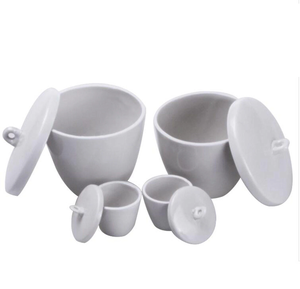
Specifications of Zirconia Ceramic Crucible For High Temperature Heat Treatment
Specifications of Zirconia Ceramic Crucible for High-Temperature Heat Therapy
Product and Composition
This crucible is made from high-purity zirconia (ZrO TWO) ceramic. It contains over 95% zirconium dioxide. The product is stabilized with yttria (Y ₂ O TWO) to avoid splitting during fast temperature level changes. This provides the crucible strong resistance to thermal shock.
Temperature Resistance
The crucible can manage continuous usage at temperature levels up to 2,200 ° C( 3,992 ° F). It stays secure also under severe heat. Temporary direct exposure to higher temperatures is additionally possible without damage. This makes it suitable for thawing metals, sintering powders, and other high-heat laboratory or commercial processes.
Physical Features
Density: 5.6– 6.0 g/cm FOUR.
Solidity: 1200– 1400 HV (Vickers).
Thermal growth coefficient: ~ 10.5 × 10 ⁻⁶/ ° C (25– 1000 ° C).
Thermal conductivity: Low, which helps preserve consistent inner temperatures.
The crucible has a smooth internal surface area to reduce contamination and make cleansing much easier. Its wall surface thickness is developed for stamina without adding unnecessary weight.
Chemical Resistance
Zirconia ceramic withstands strike from a lot of acids, antacid, and molten steels. It does not respond quickly with responsive products like titanium, uncommon planet components, or superalloys. Nevertheless, stay clear of prolonged call with hydrofluoric acid or solid antacid at very heats.
Available Sizes and Shapes
Typical alternatives consist of round, rectangle-shaped, and boat-shaped styles. Common abilities vary from 10 mL to 500 mL. Customized sizes and shapes are offered on demand. Each piece is precision-machined for consistent measurements and performance.
Applications
This crucible is made use of in research laboratories, study centers, and industries that call for trustworthy high-temperature containers. Regular usages include crystal growth, ash screening, steel casting, and thermal evaluation. Its inert nature ensures example pureness during crucial warmth treatments.
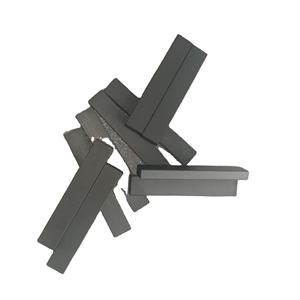
Applications of Zirconia Ceramic Crucible For High Temperature Heat Treatment
Applications of Zirconia Porcelain Crucible for High-Temperature Heat Treatment
Why Select Zirconia Crucibles?
Zirconia ceramic crucibles attract attention in high-temperature atmospheres. They manage warm up to 2,400 ° C without breaking or warping. This makes them optimal for requiring industrial and laboratory procedures. Their strong structure resists thermal shock better than most various other ceramics.
Metal Melting and Casting
These crucibles work well for melting reactive and precious metals like titanium, platinum, and unusual planet alloys. Zirconia does not react with molten metal, so the end product remains pure. Factories and research labs count on them to stay clear of contamination throughout casting.
Crystal Development
In crystal manufacturing– especially for sapphire or specialized oxides– zirconia crucibles provide a secure container. They hold molten material at severe temperature levels while preserving chemical neutrality. This aids grow premium solitary crystals used in optics and electronic devices.
High-Temperature Sintering
Advanced ceramics and powder metallurgy usually require sintering over 1,800 ° C. Zirconia crucibles support this process without damaging down. Their low thermal conductivity additionally assists control heating prices, which is essential for consistent product density.
Lab Evaluation
Analytical laboratories use zirconia crucibles for ash testing, fusion example prep, and XRF analysis. They remain undamaged even after duplicated heating cycles. Considering that they do not release pollutants, test results stay accurate and repeatable.
Specialized Warm Therapy
Industries that treat products under inert or vacuum cleaner ambiences pick zirconia for its security. It does accurately where alumina or graphite would stop working– either by reacting with the example or losing stamina. This integrity decreases downtime and waste.
Zirconia ceramic crucibles deliver unrivaled efficiency where temperature, pureness, and longevity matter the majority of. Their usage covers from small research to huge commercial procedures, verifying necessary any place extreme warmth meets exacting requirements.

Company Profile
Synthetic-chemical focus on the research and development, production and sales of ceramic products, serving the electronics, ceramics, chemical and other industries. Since its establishment in 2015, the company has been committed to providing customers with the best products and services, and has become a leader in the industry through continuous technological innovation and strict quality management.
Our products includes but not limited to Aluminum Nitride, Aluminum Oxide, Boron Carbide, Boron Nitride, Ceramic Crucible, ect. If you are interested in any type of these, please feel free to contact us.

Payment Methods
T/T, Western Union, Paypal, Credit Card etc.
Shipment Methods
By air, by sea, by express, as customers request.
5 FAQs of Zirconia Ceramic Crucible For High Temperature Heat Treatment
What is a zirconia ceramic crucible?
A zirconia ceramic crucible is a container made from zirconium dioxide (ZrO₂). It holds materials during high-temperature processes. This type of crucible resists heat, corrosion, and thermal shock better than many other ceramics. It works well in labs and industries where extreme temperatures are common.
Why choose zirconia over other ceramic materials?
Zirconia has a very high melting point—over 2,700°C. It stays stable even when heated repeatedly. Unlike alumina or silica crucibles, zirconia does not react easily with most metals or slags. This means your samples stay pure. It also handles sudden temperature changes without cracking.
What applications use zirconia crucibles?
These crucibles are used in metal melting, especially for reactive metals like titanium or rare earths. They work in crystal growth, ash testing, and high-temperature sintering. Labs use them for sample preparation in XRF or ICP analysis. Any process needing chemical inertness and heat resistance can benefit from zirconia.
How long does a zirconia crucible last?
With proper care, it can last many heating cycles. Avoid rapid heating or cooling. Do not expose it to strong acids or bases at high temperatures. Clean it gently after each use. Cracks or glaze changes mean it’s time to replace it.
Can I reuse a zirconia crucible?
Yes, you can reuse it if it shows no damage. Always inspect for cracks, chips, or discoloration before reheating. Residue from previous melts may affect new samples, so clean thoroughly. Never force-clean with metal tools—use soft brushes or ultrasonic cleaning instead.
REQUEST A QUOTE
RELATED PRODUCTS
OEM Al2O3 Ceramic Aluminium Oxide Crucible With Hole For Thermal Analysis
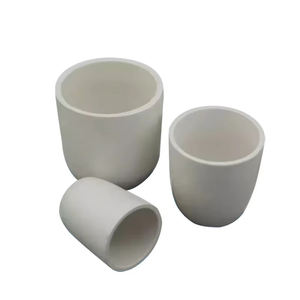
High Purity Ceramic Crucible Model 528-018 for Analysis
High Purity Alumina Ceramic Crucible for Melting Applications
High Thermal Conductivity AlN Aluminum Nitride Electrical Ceramic Crucible
High Temperature Alumina Ceramic Sagger Corundum Crucible