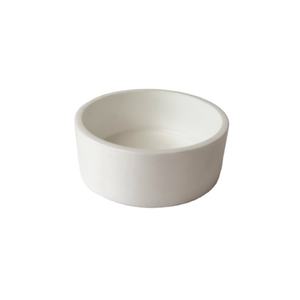
Next-Generation Ceramics: Unlocking Superior Properties for Industry

PRODUCT PARAMETERS
Description
Overview of Hot Pressed Boron Nitride Ceramic for Electric Furnace Electrical Insulating
Boron Nitride (BN) exists in multiple polymorphs, with Hexagonal Boron Nitride (h-BN) being the most common ceramic form. Often called “white graphite” due to its similar layered, lubricious structure, it is distinguished by its exceptional thermal stability, electrical insulation, and chemical inertness, even at extreme temperatures.
Features of Hot Pressed Boron Nitride Ceramic for Electric Furnace Electrical Insulating
- High Thermal Conductivity & Excellent Electrical Insulation: Unique combination that allows it to conduct heat like a metal but insulate like a ceramic.
- Outstanding Thermal Shock Resistance: Can be heated and cooled rapidly without cracking.
- Natural Lubricity: Exhibits low friction and anti-stick properties, even at high temperatures.
- Chemically Inert: Resists wetting by and reaction with most molten metals, slags, and glasses.
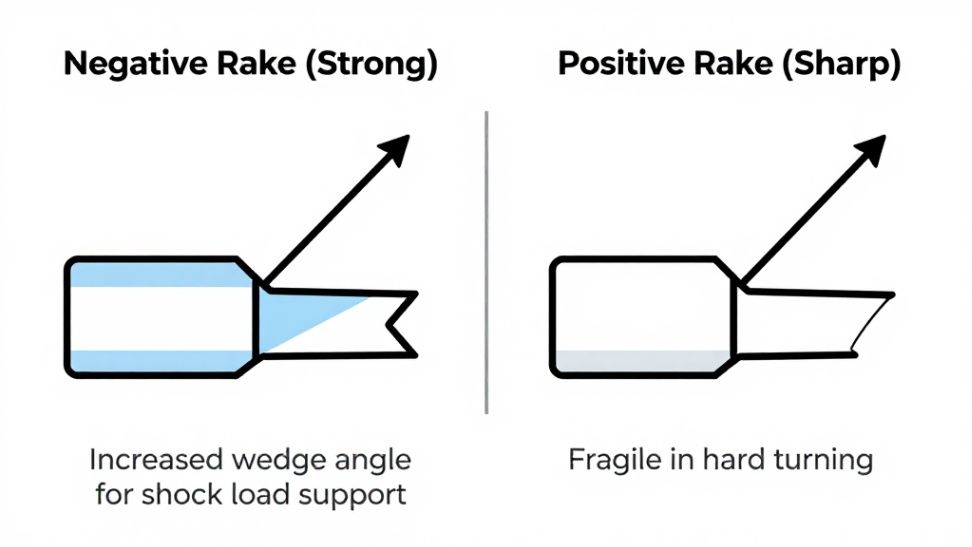
- Machinable: Unlike most advanced ceramics, h-BN in its solid form can be machined to precision tolerances using conventional carbide tooling.
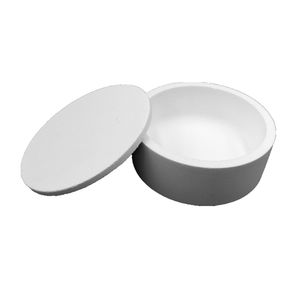
Specifications of Hot Pressed Boron Nitride Ceramic for Electric Furnace Electrical Insulating
Hot Pushed Boron Nitride Porcelain– Electrical Shielding Specifications for Electric Furnaces
Material Make-up and Framework
This product is made from high-purity hexagonal boron nitride (h-BN). It is developed using warm pushing modern technology. This technique produces a dense, consistent framework with extremely low porosity. The final product reveals superb thermal security and strong electric insulation efficiency.
Key Physical Qualities
The density of the ceramic generally ranges from 2.0 to 2.1 g/cm THREE . Its hardness falls in between Mohs 2– 3 , making it simple to equipment into complex forms without splitting. Thermal conductivity is 30– 60 W/m · K along the pressing instructions. Perpendicular to that direction, it drops to 2– 10 W/m · K , which assists control warm circulation in specific applications.
Electrical Insulation Efficiency
At room temperature, volume resistivity exceeds 10 ¹⁴ Ω · centimeters . Even at 800 ° C , it stays over 10 NINE Ω · cm . Dielectric stamina is ≥ 15 kV/mm . These worths guarantee trustworthy insulation in high-temperature electric heater settings where metal elements need to stay electrically isolated.
Thermal and Chemical Resistance
The product stays stable in inert or vacuum atmospheres up to 2000 ° C . It stands up to thermal shock well as a result of reduced thermal growth ( 2– 6 × 10 ⁻⁶/ ° C ). It does not respond with many liquified metals, slags, or glass. Nevertheless, stay clear of usage in oxidizing ambiences above 800 ° C , as boron nitride can break down under those problems.
Typical Applications
This ceramic is commonly made use of as protecting supports, spacers, and liners inside electrical heaters. It functions well in resistance heating unit, induction coils, and high-temperature sensing units. Its non-wetting surface additionally makes it ideal for taking care of reactive melts in semiconductor and metallurgical processes.
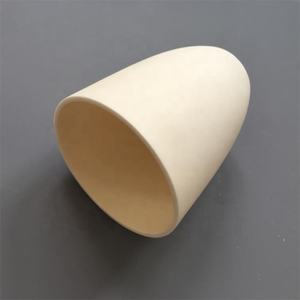
Applications of Hot Pressed Boron Nitride Ceramic for Electric Furnace Electrical Insulating
Applications of Hot Pushed Boron Nitride Ceramic in Electric Furnace Insulation
Why This Product Attracts attention
Hot pushed boron nitride (HPBN) ceramic is commonly made use of as an electrical insulator in electric heating systems. It manages high temperatures without losing efficiency. The majority of standard insulators break down or deteriorate when exposed to extreme warm. HPBN stays steady also above 1,800 ° C in inert ambiences.
Superb Electric Resistance
HPBN obstructs electric present successfully. This makes it secure for usage around real-time burner. Its resistivity remains high even when the furnace runs hot for long periods. Unlike some ceramics, it does not take in wetness, so its insulation quality remains constant with time.
Thermal Shock Resistance
Electric heaters often go through fast heating and cooling down cycles. Numerous products fracture under this anxiety. HPBN resists thermal shock well. It expands very little when warmed, which decreases interior strain and avoids breaking.
Machinability and Custom-made Fit
HPBN can be formed into complicated parts like assistance rods, spacers, and shielding plates. Designers worth this since it allows precise suitable inside limited heater chambers. The product holds limited resistances after machining, ensuring trustworthy efficiency.
Chemical Inertness
In high-temperature atmospheres, lots of insulators respond with liquified steels or procedure gases. HPBN remains chemically neutral. It does not pollute delicate materials throughout heat treatment, making it suitable for semiconductor and specialty metal processing.
Furnace designers pick HPBN when dependability, pureness, and lengthy life span issue the majority of. Its mix of electric insulation, thermal stability, and mechanical stamina makes it a top option for demanding industrial heating systems.

Company Profile
Synthetic-chemical focus on the research and development, production and sales of ceramic products, serving the electronics, ceramics, chemical and other industries. Since its establishment in 2015, the company has been committed to providing customers with the best products and services, and has become a leader in the industry through continuous technological innovation and strict quality management.
Our products includes but not limited to Aluminum Nitride, Aluminum Oxide, Boron Carbide, Boron Nitride, Ceramic Crucible, ect. If you are interested in any type of these, please feel free to contact us.

Payment Methods
T/T, Western Union, Paypal, Credit Card etc.
Shipment Methods
By air, by sea, by express, as customers request.
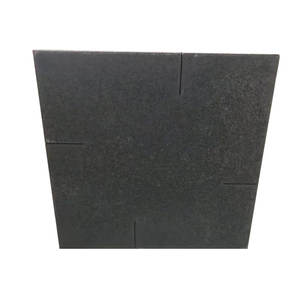
5 FAQs of Hot Pressed Boron Nitride Ceramic for Electric Furnace Electrical Insulating
Frequently Asked Questions About Hot Pressed Boron Nitride Ceramic for Electric Furnace Insulation
What is hot pressed boron nitride ceramic?
Hot pressed boron nitride (BN) ceramic is a high-performance material made by heating and compressing boron nitride powder. This process creates a dense, strong structure that resists heat and electricity. It works well in electric furnaces because it stays stable at very high temperatures.
Why use it as an electrical insulator in electric furnaces?
This ceramic does not conduct electricity, even when heated to over 1,800°C. It keeps current from leaking or shorting inside the furnace. Its thermal stability also prevents cracking or warping during repeated heating cycles.
How does it handle thermal shock?
Hot pressed BN has excellent thermal shock resistance. It can go from cold to hot—or hot to cold—quickly without breaking. This makes it reliable in environments where temperature changes happen fast.
Is it chemically stable?
Yes. It does not react with most molten metals, salts, or gases used in high-temperature processes. This chemical inertness helps protect furnace parts and keeps contamination low in sensitive applications like semiconductor manufacturing.
What shapes and sizes are available?
Manufacturers offer this ceramic in standard forms like plates, tubes, rods, and custom-machined parts. Because BN is soft compared to other ceramics, it can be easily shaped to fit specific furnace designs without losing its insulating properties.
REQUEST A QUOTE
RELATED PRODUCTS
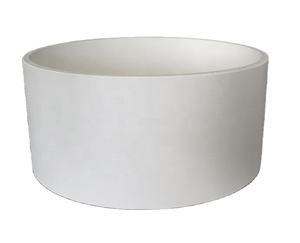
High Temperature Resistant Boron Nitride Ceramic Parts Custom
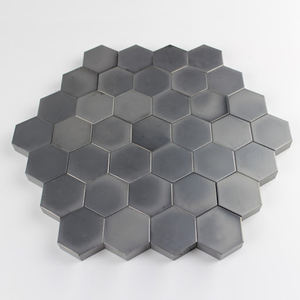
Aluminum Nitride Boron Nitride Ceramic Crucible for Sintering
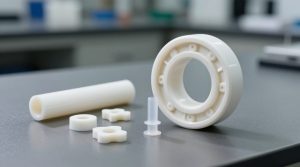
Boron Nitride Ceramic for Semiconductor Manufacturing Wear Resistant
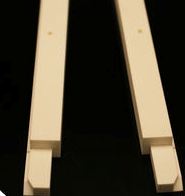
Industrial Boron Nitride Ceramic Part Size Customized
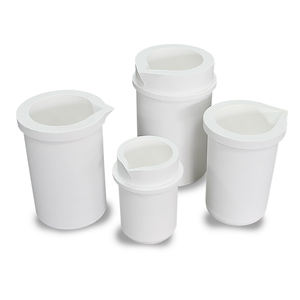
Boron Nitride Ceramic Nozzle for Amorphous Metal Ribbon