Next-Generation Ceramics: Unlocking Superior Properties for Industry

PRODUCT PARAMETERS
Description
Overview of Alumina Ceramic Pulley Lagging Tiles
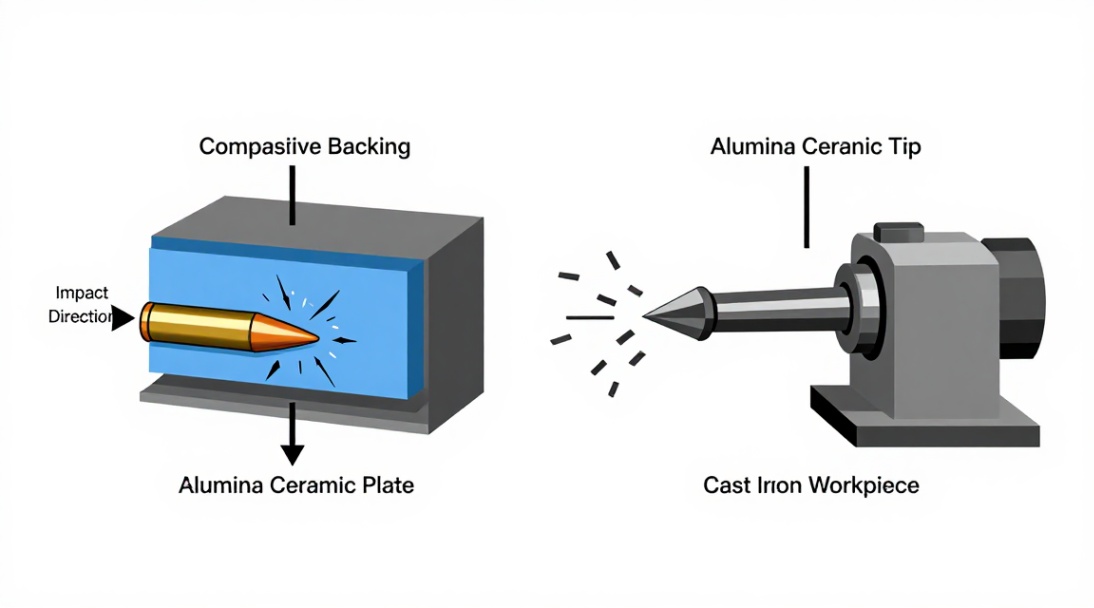
Alumina Ceramic, or Aluminum Oxide (Al₂O₃), is the most widely used and versatile advanced ceramic material. Known for its excellent balance of mechanical, thermal, and electrical properties, it is a cost-effective solution for a vast array of demanding industrial applications. Alumina components are produced in purity levels ranging from 85% to 99.9%, with properties enhancing as purity increases.
Features of Alumina Ceramic Pulley Lagging Tiles
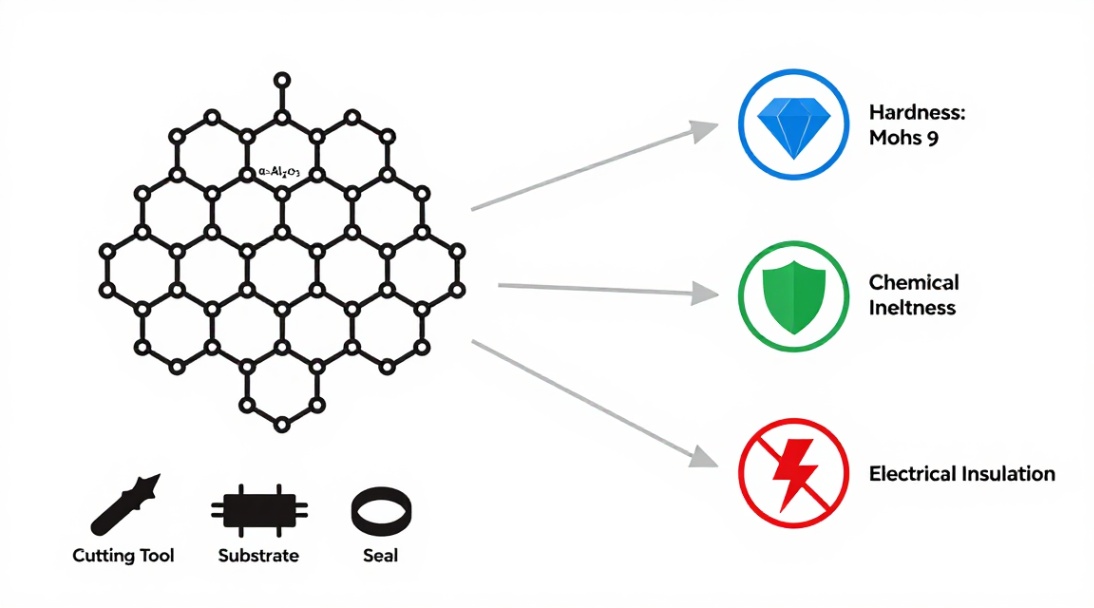
- High Hardness & Wear Resistance: Offers exceptional resistance to abrasion and mechanical wear.
- Excellent Electrical Insulation: Maintains high electrical resistivity even at elevated temperatures.
- Good Thermal Conductivity: (For a ceramic) effectively dissipates heat, especially in higher purity grades.
- High Compressive Strength: Capable of withstanding significant mechanical loads.
- Chemical Inertness: Highly resistant to corrosion from acids, alkalis, and molten metals.
- Cost-Effectiveness: Provides superior performance at a lower cost compared to many other technical ceramics.
Specifications of Alumina Ceramic Pulley Lagging Tiles
Alumina Porcelain Sheave Lagging Shingles– Product Specifications
Product Structure
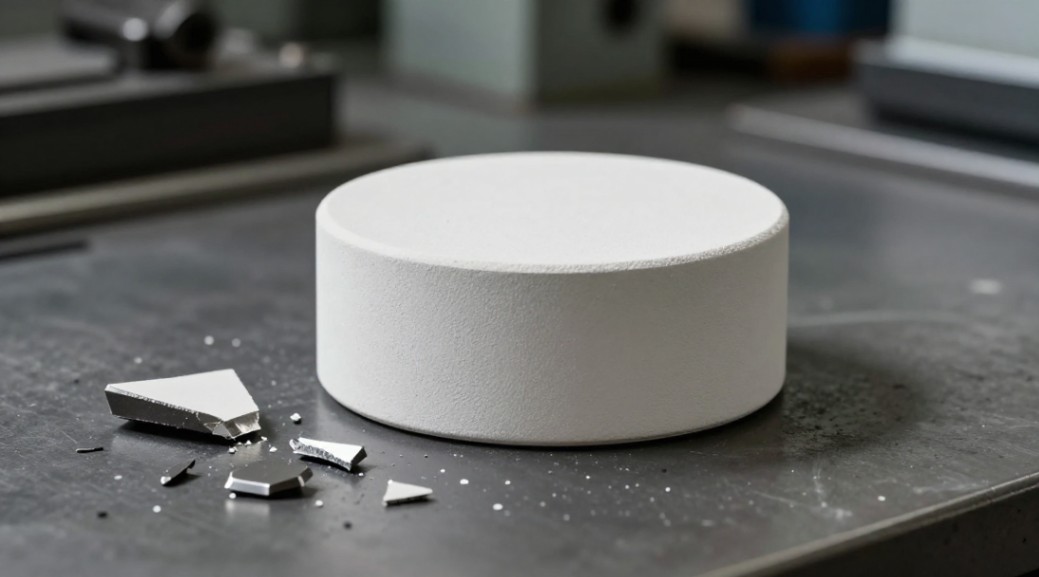
These delaying floor tiles are made from high-purity alumina ceramic, commonly having 92% to 95% aluminum oxide (Al two O FIVE). This make-up provides the floor tiles exceptional firmness and solid resistance to wear.
Physical Qualities
The ceramic tiles have a Mohs firmness of 9 , making them among the hardest commercial ceramics available. Their density varies from 3.6 to 3.7 g/cm SIX . The flexural toughness is usually 300– 350 MPa , and compressive strength goes beyond 2,000 MPa . These properties guarantee lengthy service life also under heavy tons and extreme conditions.
Measurements and Tolerances
Standard ceramic tile dimensions consist of 100 mm × 100 mm , 150 mm × 150 mm , and 200 mm × 200 mm . Thickness alternatives are commonly 10 mm, 15 mm, or 20 mm . Dimensional tolerance is maintained within ± 0.5 mm for length and width, and ± 0.3 mm for density. Custom-made dimensions can be produced upon request.
Surface and Bonding Features
Each tile has a roughened or grooved surface to boost hold and lower slippage on conveyor belts. The rear end includes pre-applied adhesive layers or mechanical anchoring slots for safe and secure bonding to steel sheaves. Some models include rubber backing for better shock absorption and much easier installation.
Operating Conditions
These ceramic tiles do well in temperatures from -40 ° C to +250 ° C . They withstand deterioration from water, oils, acids, and antacid. The low dampness absorption rate (
Applications of Alumina Ceramic Pulley Lagging Tiles
Applications of Alumina Porcelain Pulley-block Lagging Tiles
Why Utilize Alumina Ceramic Lagging?
Alumina ceramic pulley-block delaying floor tiles are constructed for laborious. They stay with conveyor pulley-blocks in position where damage occur quick. These ceramic tiles handle heavy tons, sharp products, and continuous friction without damaging down. That’s why mines, power plants, and concrete factories rely on them.
Where They Function Finest
These tiles function well in mining procedures. Rock, ore, and crushed rock move continuously over conveyor belts. Without strong lagging, wheels slip or wear out swiftly. Alumina ceramic tiles grasp the belt better and last longer than rubber or ordinary steel.
In power stations, coal moves through conveyors on a daily basis. The dirt and warmth use down regular delayed quick. Ceramic ceramic tiles stand up to warmth and stay difficult under pressure. They reduced downtime and maintain systems running smooth.
Cement plants additionally benefit. Raw meal and clinker are unpleasant. They chew through typical lagging in weeks. Alumina ceramic floor tiles take on this abuse. They minimize upkeep expenses and prevent unforeseen blockages.
Just How They Boost Performance
Better grip means less belt slippage. That saves power and maintains material relocating at the appropriate speed. Longer life ways less substitutes. Teams spend less time dealing with sheaves and even more time on core tasks. Reduced maintenance cuts running expenses with time.
The floor tiles secure together firmly and bond strongly to the pulley surface area. Rainfall, mud, or dust won’t loosen them. Also in wet or unclean conditions, they hold strong.
Facilities that run 24/7 need components that will not quit. Alumina ceramic wheel delaying floor tiles deliver that dependability. They transform a powerlessness– pulley wear– right into a toughness. Procedures remain consistent, risk-free, and effective.

Company Profile
Synthetic-chemical focus on the research and development, production and sales of ceramic products, serving the electronics, ceramics, chemical and other industries. Since its establishment in 2015, the company has been committed to providing customers with the best products and services, and has become a leader in the industry through continuous technological innovation and strict quality management.
Our products includes but not limited to Aluminum Nitride, Aluminum Oxide, Boron Carbide, Boron Nitride, Ceramic Crucible, ect. If you are interested in any type of these, please feel free to contact us.

Payment Methods
T/T, Western Union, Paypal, Credit Card etc.
Shipment Methods
By air, by sea, by express, as customers request.
5 FAQs of Alumina Ceramic Pulley Lagging Tiles
What are Alumina Ceramic Pulley Lagging Tiles?
Alumina ceramic pulley lagging tiles are hard-wearing covers made from high-purity alumina ceramic. They fit onto conveyor pulleys to boost grip and stop slippage. These tiles handle heavy loads, resist wear, and work well in tough conditions like mining or cement plants.
Why use ceramic lagging instead of rubber?
Rubber lagging wears out fast when exposed to sharp materials, heat, or moisture. Ceramic tiles last much longer. They offer better traction, reduce belt slippage, and lower maintenance costs over time. Their surface stays rough even after long use, which keeps the system running smoothly.
How are these tiles installed?
Most alumina ceramic lagging tiles come with pre-molded rubber backing. This rubber bonds directly to the pulley surface using strong industrial adhesives. Some types use mechanical fasteners. Installation is simple and does not need special tools. Proper alignment ensures even contact and maximum performance.
Do they work in wet or dirty environments?
Yes. The ceramic surface clears mud, water, and dust as the pulley turns. Grooves or patterns on the tile help channel away debris. This self-cleaning action maintains grip even in wet, muddy, or dusty settings—common in quarries, ports, and power stations.
What maintenance do they require?
Very little. Once installed correctly, ceramic lagging tiles need no regular upkeep. Just check them during routine conveyor inspections. Look for loose tiles or damaged edges. Because they resist abrasion and corrosion, they stay effective for years without replacement.
REQUEST A QUOTE
RELATED PRODUCTS
High Precision Alumina Ceramic Round Shaft
Chemically Stable Alumina Ceramic Shaft for Boiler Pumps
Custom Durable Alumina (Aluminum Oxide) Ceramic for Industrial Use
Near-Spherical High Thermal Conductivity Alumina Powder (99.8%)
Zirconia-Gravel Coated Alumina Ceramic Basket Gemstone