Next-Generation Ceramics: Unlocking Superior Properties for Industry

PRODUCT PARAMETERS
Description
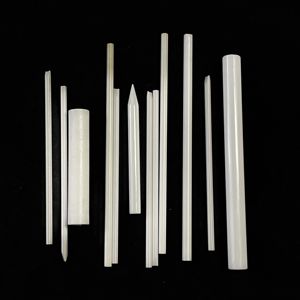
Overview of Chemically Stable Alumina Ceramic Shaft for Boiler Pumps
Alumina Ceramic, or Aluminum Oxide (Al₂O₃), is the most widely used and versatile advanced ceramic material. Known for its excellent balance of mechanical, thermal, and electrical properties, it is a cost-effective solution for a vast array of demanding industrial applications. Alumina components are produced in purity levels ranging from 85% to 99.9%, with properties enhancing as purity increases.
Features of Chemically Stable Alumina Ceramic Shaft for Boiler Pumps
- High Hardness & Wear Resistance: Offers exceptional resistance to abrasion and mechanical wear.
- Excellent Electrical Insulation: Maintains high electrical resistivity even at elevated temperatures.
- Good Thermal Conductivity: (For a ceramic) effectively dissipates heat, especially in higher purity grades.
- High Compressive Strength: Capable of withstanding significant mechanical loads.
- Chemical Inertness: Highly resistant to corrosion from acids, alkalis, and molten metals.
- Cost-Effectiveness: Provides superior performance at a lower cost compared to many other technical ceramics.
Specifications of Chemically Stable Alumina Ceramic Shaft for Boiler Pumps
Chemically Stable Alumina Porcelain Shaft for Boiler Pumps
Product and Make-up
This shaft is made from high-purity alumina ceramic (Al ₂ O FIVE) with a material of 95% or higher. The material provides exceptional resistance to chemical corrosion, also in harsh boiler water settings. It consists of no metals that can rust or weaken gradually.
Trick Performance Features
Solid wear resistance: The shaft keeps its form and surface area coating under continuous rotation and contact with seals or bearings.
Thermal security: It functions dependably at temperature levels as much as 1600 ° C without breaking or deforming. This makes it optimal for high-heat boiler systems.
Non-reactive surface: Alumina does not respond with common central heating boiler chemicals like oxygen scavengers, pH adjusters, or range preventions. This makes certain lengthy service life and tidy operation.
High solidity: With a Mohs solidity of 9, the shaft resists scratches and abrasion much better than a lot of metals or common ceramics.
Dimensional Accuracy
Each shaft is precision-ground to limited tolerances. Size resistance remains within ± 0.01 mm. Straightness is controlled to much less than 0.02 mm per 100 mm of size. These specifications help reduce resonance and seal wear in pump settings up.
Applications
This ceramic shaft fits directly right into centrifugal and favorable displacement boiler feed pumps. It functions well in commercial heavy steam systems, nuclear power plant, and area heating networks. Its chemical stability prevents contamination of central heating boiler water, sustaining effective heat transfer and system safety and security.
Setup Notes
Handle with treatment during setup– ceramic components are strong yet can chip if struck dramatically. Usage suitable seals and real estates made for ceramic elements. Avoid overtightening fasteners to prevent stress and anxiety cracks.
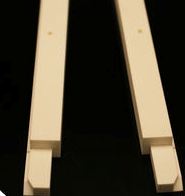
Applications of Chemically Stable Alumina Ceramic Shaft for Boiler Pumps
Applications of Chemically Stable Alumina Porcelain Shaft for Boiler Pumps
Why Choose Alumina Porcelain Shafts?
Boiler pumps operate in tough conditions. They encounter high warmth, pressure, and harsh water or steam. Criterion steel shafts wear fast in these environments. That’s where chemically stable alumina ceramic shafts can be found in. These shafts stand up to deterioration better than many metals. They additionally handle heats without shedding stamina.
Efficiency in Harsh Settings
Alumina ceramic remains solid also when subjected to acidic or alkaline central heating boiler water. It does not rust or deteriorate like steel. This indicates less malfunctions and much less requirement for maintenance. The shaft maintains its form and smooth surface area gradually. That assists the pump run silently and efficiently.
Long Life Span
Because alumina ceramic is so tough and steady, it lasts much longer than standard materials. Pump drivers conserve money on replacements and downtime. The shaft’s toughness additionally supports consistent system efficiency. There’s no sudden failure from material exhaustion or chemical strike.
Accuracy and Reliability
Producers make these ceramic shafts to tight tolerances. That guarantees a best fit inside the pump real estate. Smooth turning decreases rubbing and energy loss. Operators obtain trusted operation day after day. Even under constant tons, the shaft executes uncreative.
Perfect for Demanding Industries
Nuclear power plant, chemical processing centers, and large heating unit all make use of central heating boiler pumps. In each instance, dependability matters. Alumina ceramic shafts satisfy that need. They provide a wise upgrade for any system where uptime and safety and security are critical. Their chemical stability makes them a practical choice anywhere water quality or temperature develops obstacles for common parts.

Company Profile
Synthetic-chemical focus on the research and development, production and sales of ceramic products, serving the electronics, ceramics, chemical and other industries. Since its establishment in 2015, the company has been committed to providing customers with the best products and services, and has become a leader in the industry through continuous technological innovation and strict quality management.
Our products includes but not limited to Aluminum Nitride, Aluminum Oxide, Boron Carbide, Boron Nitride, Ceramic Crucible, ect. If you are interested in any type of these, please feel free to contact us.

Payment Methods
T/T, Western Union, Paypal, Credit Card etc.
Shipment Methods
By air, by sea, by express, as customers request.
5 FAQs of Chemically Stable Alumina Ceramic Shaft for Boiler Pumps
Why choose alumina ceramic shafts for boiler pumps?
Alumina ceramic shafts resist corrosion and wear better than metal parts. Boiler water often contains chemicals that eat away at steel or iron. These ceramic shafts stay strong and smooth even after long use in hot, harsh conditions.
How does chemical stability help boiler pump performance?
Boiler systems use treated water with additives like oxygen scavengers or pH adjusters. Metal shafts can react with these chemicals and rust or pit over time. Chemically stable alumina does not react. This keeps the shaft surface clean and smooth, so the pump runs quietly and efficiently.
Do ceramic shafts handle high temperatures?
Yes. Alumina ceramics work well at temperatures up to 1,000°C (1,832°F). Most boiler pumps run far below this limit. The shaft stays rigid and dimensionally stable, which helps maintain tight clearances and reduce vibration.
Are alumina ceramic shafts brittle?
Ceramics can crack under sharp impact, but alumina shafts used in pumps are designed for steady loads, not shocks. In normal boiler operation, they face constant pressure and rotation—not sudden blows. With proper installation, breakage is very rare.
What maintenance do these shafts need?
Almost none. Unlike metal shafts, they don’t need coatings, lubricants, or frequent inspections for corrosion. Once installed, they last much longer with no extra care. This cuts downtime and saves money over time.
REQUEST A QUOTE
RELATED PRODUCTS
Calcined Alumina / Polishing Aluminum Oxide Powder (CAS 1344-28-1)
Thermal Conductivity Spherical Alumina Powder for Epoxy Molding Compounds
Zirconia Ceramic Basket Gemstone with Alumina Coating
High Purity Square Alumina Ceramic Sheet for Sintering – 170x130x4.1mm
4N High-Purity Alumina for Optical Lens Manufacturing