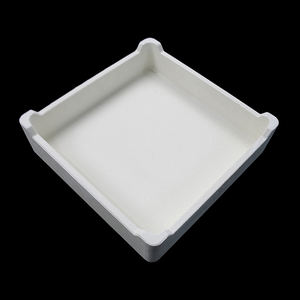
Next-Generation Ceramics: Unlocking Superior Properties for Industry

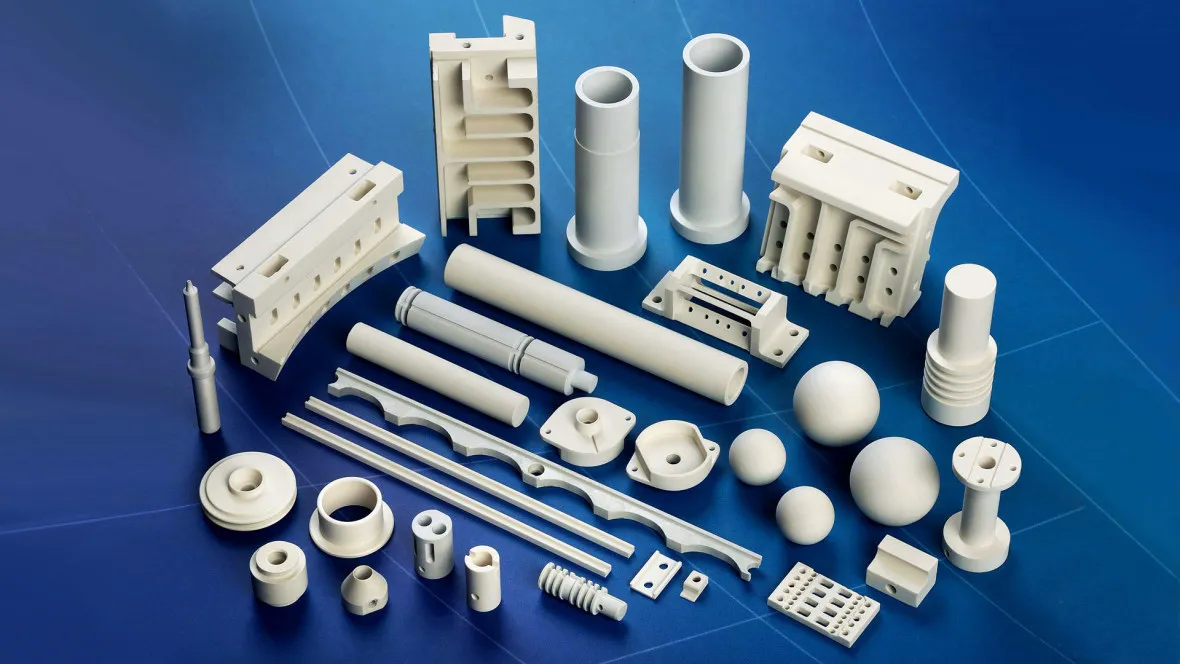
PRODUCT PARAMETERS
Description
Overview of Industrial High Alumina Ceramic Sheet
Alumina Ceramic, or Aluminum Oxide (Al₂O₃), is the most widely used and versatile advanced ceramic material. Known for its excellent balance of mechanical, thermal, and electrical properties, it is a cost-effective solution for a vast array of demanding industrial applications. Alumina components are produced in purity levels ranging from 85% to 99.9%, with properties enhancing as purity increases.
Features of Industrial High Alumina Ceramic Sheet
- High Hardness & Wear Resistance: Offers exceptional resistance to abrasion and mechanical wear.
- Excellent Electrical Insulation: Maintains high electrical resistivity even at elevated temperatures.
- Good Thermal Conductivity: (For a ceramic) effectively dissipates heat, especially in higher purity grades.
- High Compressive Strength: Capable of withstanding significant mechanical loads.
- Chemical Inertness: Highly resistant to corrosion from acids, alkalis, and molten metals.
- Cost-Effectiveness: Provides superior performance at a lower cost compared to many other technical ceramics.
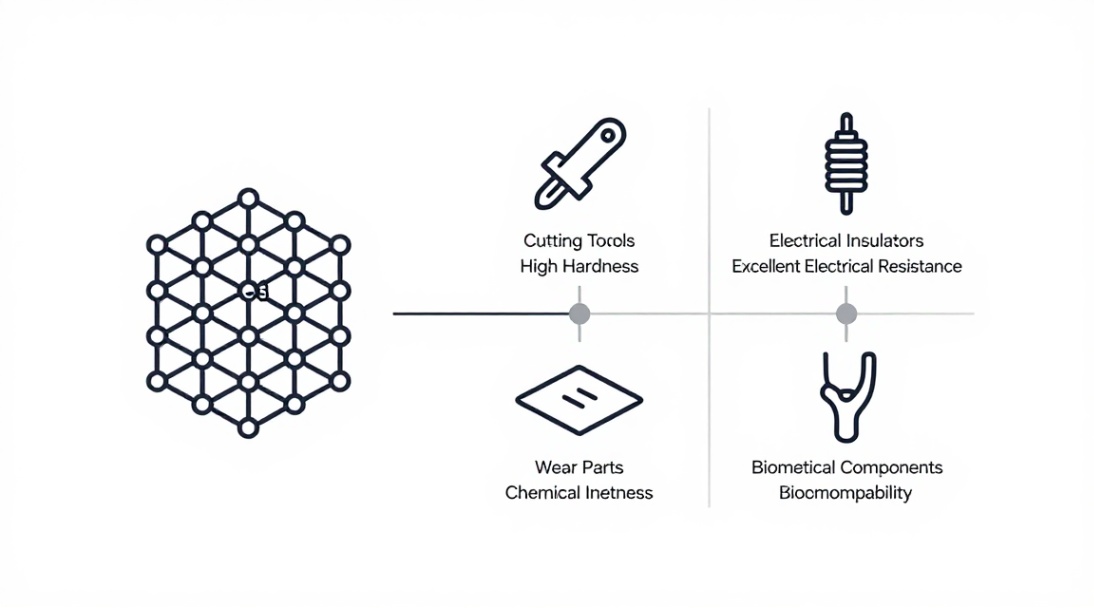
Specifications of Industrial High Alumina Ceramic Sheet
Industrial High Alumina Ceramic Sheet– Secret Specifications
Material Structure
Alumina material: 95% to 99.8% aluminum oxide (Al ₂ O FOUR).
This high pureness offers the sheet strong resistance to put on, warm, and chemicals. Small amounts of ingredients assist with sintering yet do not impact performance.
Physical Characteristics
Density: 3.6– 3.9 g/cm ³.
Solidity: 1500– 1800 HV (Vickers).
Flexural strength: 300– 400 MPa.
Compressive stamina: Over 2000 MPa.
These values show the product is really tough and difficult. It holds up well under heavy tons and influence.
Thermal Efficiency
Optimum solution temperature level: As much as 1750 ° C in air.
Thermal conductivity: 20– 30 W/m · K. Thermal expansion coefficient: ~ 7.5 × 10 ⁻⁶/ ° C (20– 800 ° C).
The sheet remains steady at heats. It resists breaking throughout quick home heating or cooling cycles.
Electrical Characteristics
Dielectric strength: 10– 15 kV/mm.
Volume resistivity: > 10 ¹⁴ Ω · centimeters at room temperature level.
It functions well as an electrical insulator also in severe atmospheres. Performance remains stable with time.
Chemical Resistance
The sheet stands up to acids, antacid, and molten steels. It does not wear away conveniently. Just hydrofluoric acid and strong hot antacid can assault it.
Available Dimensions and Resistances
Standard thickness: 0.5 mm to 25 mm.
Customized sizes: Cut to purchase.
Dimensional resistance: ± 0.1 mm for basic grades; tighter resistances available on request.
Surface finish choices include as-fired, ground, or lapped for level of smoothness.
Common Applications
Made use of in heating system linings, semiconductor equipment, put on plates, insulating substratums, and labware. Its reliability makes it optimal for demanding industrial settings.
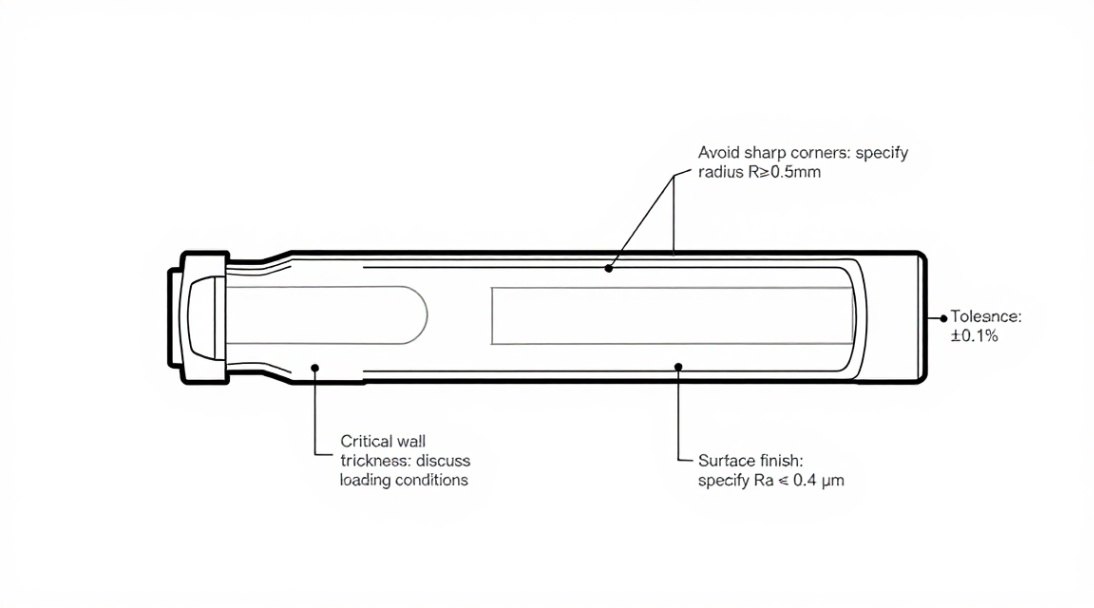
Applications of Industrial High Alumina Ceramic Sheet
Applications of Industrial High Alumina Ceramic Sheet
Severe Atmospheres Need Reliable Products
Industrial high alumina ceramic sheets deal with tough jobs where normal products stop working. These sheets include over 90% aluminum oxide, providing solid resistance to warm, wear, and corrosion. Manufacturing facilities utilize them in places that face heats, harsh chemicals, or constant friction.
Securing Equipment in Heavy Market
In metal processing plants, these ceramic sheets line heating systems and kilns. They keep warm inside while shielding the outer metal framework from damage. Their reduced thermal conductivity conserves energy and maintains operations running efficiently. In mining and concrete production, they protect chutes, hoppers, and pipes from unpleasant products like sand, crushed rock, and raw ore. This reduces maintenance prices and extends tools life.
Electric Insulation with Self-confidence
High alumina porcelains also function well as electric insulators. Power plant and electronic devices suppliers rely on them for assistance bases, spark plug insulators, and high-voltage elements. Also at heats, they remain steady and do not perform power. This makes them risk-free and reputable in essential systems.
Tidy Efficiency in Chemical Setups
Chemical plants need products that won’t respond with acids, alkalis, or solvents. High alumina ceramic sheets fulfill this need. They line reactors, shutoffs, and pumps without degrading in time. Their smooth surface additionally prevents accumulation, which helps maintain procedures tidy and reliable.
Custom Suitable For Facility Demands
These sheets come in different densities and can be reduced or formed to fit details parts. Designers pick them when basic remedies fall short. Whether it’s a custom liner for a blending storage tank or a wear plate in a conveyor system, high alumina ceramic provides regular efficiency under stress.

Company Profile
Synthetic-chemical focus on the research and development, production and sales of ceramic products, serving the electronics, ceramics, chemical and other industries. Since its establishment in 2015, the company has been committed to providing customers with the best products and services, and has become a leader in the industry through continuous technological innovation and strict quality management.
Our products includes but not limited to Aluminum Nitride, Aluminum Oxide, Boron Carbide, Boron Nitride, Ceramic Crucible, ect. If you are interested in any type of these, please feel free to contact us.

Payment Methods
T/T, Western Union, Paypal, Credit Card etc.
Shipment Methods
By air, by sea, by express, as customers request.
5 FAQs of Industrial High Alumina Ceramic Sheet
Frequently Asked Questions About Industrial High Alumina Ceramic Sheets
What is a high alumina ceramic sheet?
A high alumina ceramic sheet is made mostly from aluminum oxide (Al₂O₃), usually over 90%. This material gives the sheet strong hardness, high heat resistance, and good electrical insulation. It is widely used in industries that need reliable performance under tough conditions.
Why choose high alumina over other ceramics?
High alumina sheets offer better wear resistance and thermal stability than standard ceramics. They keep their shape and strength even at very high temperatures. They also resist corrosion from many chemicals. These traits make them ideal for demanding applications like furnace linings or semiconductor parts.
Can these sheets handle extreme temperatures?
Yes. High alumina ceramic sheets can work continuously at temperatures above 1600°C (2912°F). They do not melt, warp, or lose mechanical strength easily. This makes them suitable for use in kilns, burners, and other high-heat industrial equipment.
Are they electrically insulating?
Absolutely. These sheets are excellent electrical insulators, even at high temperatures. That’s why they are often used as substrates or spacers in electronics, power systems, and sensors where safety and stability matter.
How are these sheets machined or installed?
High alumina ceramic sheets are very hard, so they must be shaped before final firing using diamond tools. Once sintered, they cannot be easily cut or drilled. For installation, they are usually bonded with special high-temperature adhesives or held in place with mechanical fixtures. Always follow manufacturer guidelines to avoid cracking or breakage.
REQUEST A QUOTE
RELATED PRODUCTS
Production of 4N, 5N High Purity Alumina Powder for Polishing
Alumina Ceramic Mosaic Tile for Pulley Lagging
Chemically Stable Alumina Ceramic Refractory Tube Shaft
Industrial Machinery Alumina Ceramic Parts
High Purity Alumina Ceramic Beads / Inert Ceramic Balls (0.5-70mm, 4N/5N)