Next-Generation Ceramics: Unlocking Superior Properties for Industry

PRODUCT PARAMETERS
Description
Overview of Low Thermal Conductivity Alumina Ceramic Thermal Insulator
Alumina Ceramic, or Aluminum Oxide (Al₂O₃), is the most widely used and versatile advanced ceramic material. Known for its excellent balance of mechanical, thermal, and electrical properties, it is a cost-effective solution for a vast array of demanding industrial applications. Alumina components are produced in purity levels ranging from 85% to 99.9%, with properties enhancing as purity increases.
Features of Low Thermal Conductivity Alumina Ceramic Thermal Insulator
- High Hardness & Wear Resistance: Offers exceptional resistance to abrasion and mechanical wear.
- Excellent Electrical Insulation: Maintains high electrical resistivity even at elevated temperatures.
- Good Thermal Conductivity: (For a ceramic) effectively dissipates heat, especially in higher purity grades.
- High Compressive Strength: Capable of withstanding significant mechanical loads.
- Chemical Inertness: Highly resistant to corrosion from acids, alkalis, and molten metals.
- Cost-Effectiveness: Provides superior performance at a lower cost compared to many other technical ceramics.
Specifications of Low Thermal Conductivity Alumina Ceramic Thermal Insulator
Reduced Thermal Conductivity Alumina Ceramic Thermal Insulator– Item Specs
Material Structure
This insulator is made from high-purity alumina ceramic. The product has over 95% aluminum oxide (Al two O SIX). Small amounts of additives assist enhance thickness and stamina without raising thermal conductivity.
Thermal Efficiency
The key function is its reduced thermal conductivity. At space temperature, it gauges between 2.0 and 2.5 W/m · K. This value stays steady also when temperature levels rise to 1000 ° C. The insulator slows down warm transfer successfully, making it excellent for high-temperature applications where heat loss must be minimized.
Mechanical Strength
It supplies solid mechanical efficiency regardless of its insulating nature. Normal flexural strength arrays from 300 to 350 MPa. Compressive stamina goes beyond 2000 MPa. These homes enable the part to manage physical tension in demanding industrial environments.
Electric Features
It functions as an exceptional electrical insulator. Quantity resistivity is higher than 10 ¹⁴ Ω · centimeters at 25 ° C. Dielectric toughness reaches 10– 15 kV/mm. These traits make it safe for usage in high-voltage systems.
Dimensional Security
The product preserves its shape under thermal biking. Coefficient of thermal expansion has to do with 7.0 × 10 ⁻⁶/ ° C (from 25 ° C to 800 ° C). Reduced porosity (under 2%) ensures marginal dampness absorption and regular performance with time.
Offered Forms
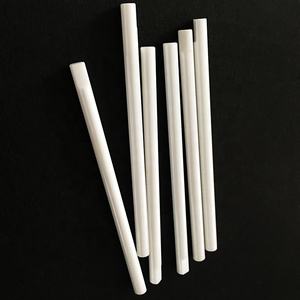
We supply this insulator in several typical shapes. Usual alternatives consist of poles, tubes, plates, and custom-machined components. Tolerances can meet ± 0.05 mm for precision applications. Surface surface is smooth, with Ra ≤ 0.8 µm unless or else specified.
Applications of Low Thermal Conductivity Alumina Ceramic Thermal Insulator
Applications of Low Thermal Conductivity Alumina Ceramic Thermal Insulator
High-Temperature Heating systems
Low thermal conductivity alumina ceramic jobs well in high-temperature heaters. It stops warm from running away. This keeps power use low. The material remains strong also when temperatures go above 1,500 ° C. Manufacturing facilities utilize it to line furnace wall surfaces and safeguard metal parts.
Vacuum Systems
In vacuum atmospheres, normal insulation typically falls short. Alumina ceramic insulators stand up under vacuum stress. They do not release gases or damage down. Labs and semiconductor manufacturers count on them to maintain systems steady and tidy.
Aerospace Components
Aircraft and rockets require parts that take care of extreme warm without including weight. These ceramics deal lightweight and exceptional warm resistance. Designers utilize them around engines and exhaust areas. They aid shield delicate electronics from heats.
Electronic devices and Sensors
Modern electronic devices generate warmth. Excessive warm damages circuits. Alumina ceramic thermal insulators sit in between cold and hot zones. They reduce warm circulation without blocking electric signals. This makes them ideal for power components, sensors, and control systems.
Industrial Heating Devices
Equipments like kilns, clothes dryers, and heating systems run hot all day. Using low-conductivity alumina porcelains cuts heat loss. Operators save money on gas and upkeep. The product also withstands wear from repeated heating and cooling down cycles.
Energy Systems
In solar thermal plants and gas cells, warm administration is essential. These insulators aid route heat where it is required. They prevent unwanted transfer to neighboring components. That boosts system effectiveness and security over long runs.
Each application makes use of the exact same core strengths: stability at high heat, low heat flow, and lengthy life. The material fits where metals or polymers would certainly fail. Customers get reliable efficiency with less downtime and lower operating costs.

Company Profile
Synthetic-chemical focus on the research and development, production and sales of ceramic products, serving the electronics, ceramics, chemical and other industries. Since its establishment in 2015, the company has been committed to providing customers with the best products and services, and has become a leader in the industry through continuous technological innovation and strict quality management.
Our products includes but not limited to Aluminum Nitride, Aluminum Oxide, Boron Carbide, Boron Nitride, Ceramic Crucible, ect. If you are interested in any type of these, please feel free to contact us.

Payment Methods
T/T, Western Union, Paypal, Credit Card etc.
Shipment Methods
By air, by sea, by express, as customers request.
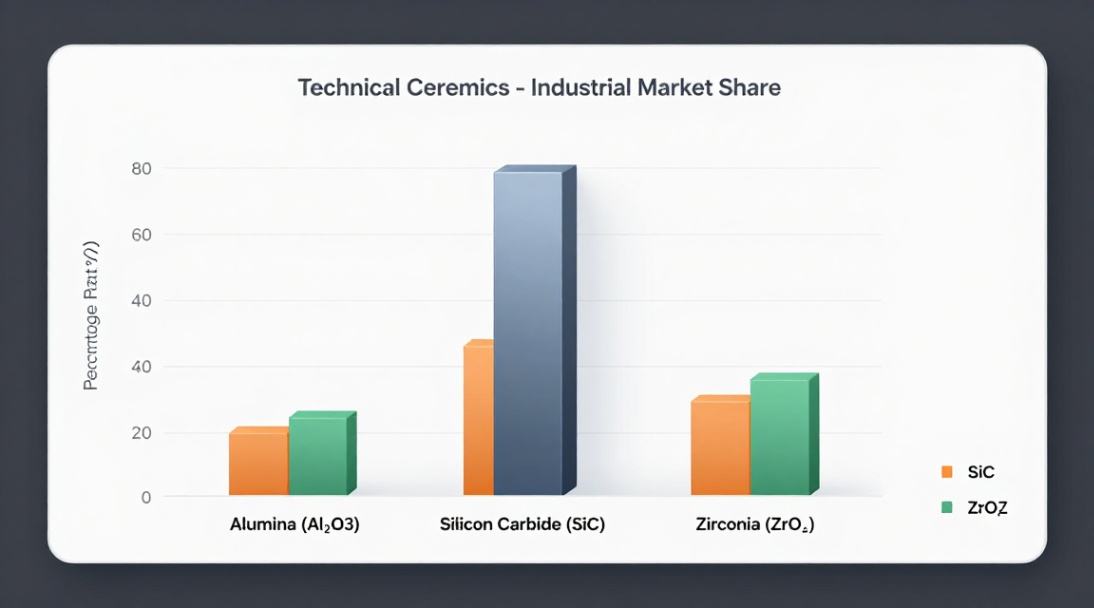
5 FAQs of Low Thermal Conductivity Alumina Ceramic Thermal Insulator
Low Thermal Conductivity Alumina Ceramic Thermal Insulator – Frequently Asked Questions
What is low thermal conductivity alumina ceramic?
This material is a special type of alumina ceramic made to block heat flow. It keeps heat from moving through it easily. People use it where high heat resistance and electrical insulation are needed.
Why choose this ceramic over other insulators?
It works well at very high temperatures. It also resists wear, corrosion, and electricity. Unlike plastics or metals, it stays stable under extreme heat without melting or degrading.
Where is this insulator commonly used?
You will find it in industrial furnaces, aerospace parts, electronics, and sensors. It protects sensitive components from heat damage. It also supports structural parts that must stay cool while nearby areas get hot.
How does low thermal conductivity help performance?
Low thermal conductivity means less heat passes through the material. This keeps one side hot and the other side cool. Systems run more efficiently because heat stays where it should be.
Is this ceramic easy to install and maintain?
Yes. The material is strong and rigid, so it holds its shape during use. It needs little maintenance because it does not react with most chemicals. You can clean it with standard methods and reuse it many times.
REQUEST A QUOTE
RELATED PRODUCTS
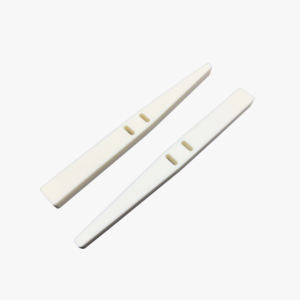
Gravel’s Zirconia Ceramic Basket Gemstone with Alumina Coating
99% High Alumina Ceramic Ball for Catalyst Support
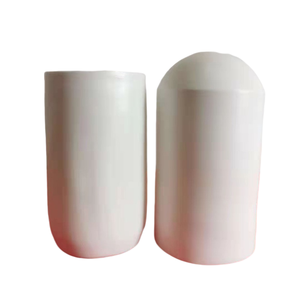
Gravel’s Zirconia Ceramic Basket Gemstone with Alumina Coating
High-Efficiency Catalyst Support: Alumina Microspheres
Industrial Metalized Alumina Ceramic Substrate