Next-Generation Ceramics: Unlocking Superior Properties for Industry

PRODUCT PARAMETERS
Description
Overview of Industrial Metalized Alumina Ceramic Substrate
Alumina Ceramic, or Aluminum Oxide (Al₂O₃), is the most widely used and versatile advanced ceramic material. Known for its excellent balance of mechanical, thermal, and electrical properties, it is a cost-effective solution for a vast array of demanding industrial applications. Alumina components are produced in purity levels ranging from 85% to 99.9%, with properties enhancing as purity increases.
Features of Industrial Metalized Alumina Ceramic Substrate
- High Hardness & Wear Resistance: Offers exceptional resistance to abrasion and mechanical wear.
- Excellent Electrical Insulation: Maintains high electrical resistivity even at elevated temperatures.
- Good Thermal Conductivity: (For a ceramic) effectively dissipates heat, especially in higher purity grades.
- High Compressive Strength: Capable of withstanding significant mechanical loads.
- Chemical Inertness: Highly resistant to corrosion from acids, alkalis, and molten metals.
- Cost-Effectiveness: Provides superior performance at a lower cost compared to many other technical ceramics.
Specifications of Industrial Metalized Alumina Ceramic Substrate
Industrial Metalized Alumina Ceramic Substratum– Trick Requirements
Product Make-up
The substrate is made from high-purity alumina (Al ₂ O THREE), normally 96% or 99.6% purity. This ensures strong mechanical assistance and excellent electrical insulation. The base ceramic deals high thermal conductivity and low thermal expansion, which aids keep stability under duplicated home heating and cooling down cycles.
Metalization Layer
Thick-film or thin-film steel layers are applied to one or both sides of the ceramic. Typical steels include tungsten-molybdenum (W-Mo), molybdenum-manganese (Mo-Mn), or silver. These layers bond firmly to the ceramic and supply trustworthy electrical pathways. After metalization, the surface area can be plated with nickel, gold, or tin to enhance solderability and corrosion resistance.
Dimensions and Tolerances
Criterion density ranges from 0.25 mm to 1.0 mm. Customized dimensions are offered based upon application demands. Length and size tolerances usually stay within ± 0.1 mm. Surface area flatness is firmly managed– usually under 0.05 mm per 100 mm– to ensure appropriate mounting of parts.
Electric Qualities
The dielectric strength surpasses 15 kV/mm. Volume resistivity is higher than 10 ¹⁴ Ω · cm at area temperature. These worths make the substratum ideal for high-voltage and high-frequency applications where signal integrity matters.
Thermal Efficiency
Thermal conductivity arrays from 24 to 30 W/m · K, depending upon alumina purity. The coefficient of thermal growth (CTE) matches well with usual semiconductor products, lowering tension throughout thermal biking. Running temperature levels can reach up to 1,000 ° C in air without derogatory performance.
Applications
These substrates are commonly utilized in power electronic devices, RF modules, sensors, vehicle ignition systems, and LED packaging. Their mix of electric insulation, thermal administration, and mechanical strength makes them a relied on selection in demanding industrial atmospheres.
Applications of Industrial Metalized Alumina Ceramic Substrate
Applications of Industrial Metalized Alumina Ceramic Substrate
Power Electronics
Metalized alumina ceramic substratums are widely used in power electronics. They manage high voltages and big currents without failing. These substrates give solid electrical insulation while moving heat far from sensitive components. This makes them suitable for inverters, converters, and electric motor drives. Their dependability maintains systems running safely under difficult conditions.
Automotive Solutions
Modern automobiles rely on these substrates for vital digital features. They show up in engine control systems, battery management systems, and electrical car power modules. The product resists resonance, warm, and dampness– usual obstacles in automobile atmospheres. As a result of this, performance stays steady over time, even sought after driving situations.
LED Illumination
High-power LED lights require efficient warm dissipation to function well. Metalized alumina ceramic substratums attract warmth away from LED chips promptly. This protects against getting too hot and expands the life of the light. They additionally sustain accurate circuit patterns, which aids maintain consistent illumination and shade result across business and industrial illumination arrangements.
Aerospace and Protection
In aerospace and defense applications, failure is not an alternative. These substratums offer reputable performance in extreme temperature levels and harsh problems. They are found in radar systems, interaction equipment, and onboard power supplies. Their mechanical toughness and thermal stability make them a relied on selection where security and precision issue many.
Industrial Sensors
Manufacturing facilities utilize sensing units to keep track of temperature level, stress, and movement. Metalized alumina ceramic substratums serve as the base for a lot of these sensing units. They hold up against chemical exposure and duplicated thermal biking. This makes sure precise analyses and lengthy life span, also in aggressive industrial setups like steel mills or chemical plants.

Company Profile
Synthetic-chemical focus on the research and development, production and sales of ceramic products, serving the electronics, ceramics, chemical and other industries. Since its establishment in 2015, the company has been committed to providing customers with the best products and services, and has become a leader in the industry through continuous technological innovation and strict quality management.
Our products includes but not limited to Aluminum Nitride, Aluminum Oxide, Boron Carbide, Boron Nitride, Ceramic Crucible, ect. If you are interested in any type of these, please feel free to contact us.

Payment Methods
T/T, Western Union, Paypal, Credit Card etc.
Shipment Methods
By air, by sea, by express, as customers request.
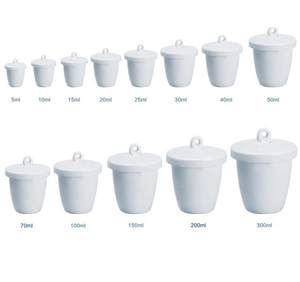
5 FAQs of Industrial Metalized Alumina Ceramic Substrate
Frequently Asked Questions About Industrial Metalized Alumina Ceramic Substrates
What is a metalized alumina ceramic substrate?
It is a high-performance ceramic base made from aluminum oxide. A thin layer of metal—usually tungsten, molybdenum, or copper—is applied to its surface. This metal layer lets the substrate connect electrically with other components while keeping the strong thermal and electrical insulation properties of alumina.
Why choose alumina over other ceramics?
Alumina offers excellent mechanical strength, good thermal conductivity, and high electrical resistance. It works well in harsh environments, including high temperatures and corrosive conditions. It also costs less than many advanced ceramics like beryllium oxide or aluminum nitride, making it a practical choice for industrial use.
How is metalization done on the substrate?
The most common method is thick-film screen printing followed by high-temperature firing in a controlled atmosphere. This bonds the metal firmly to the ceramic. Some applications use thin-film processes like sputtering or evaporation for finer features. The choice depends on required precision, current capacity, and cost.
Can these substrates handle high power or high frequency?
Yes. Thanks to their stable dielectric properties and low signal loss, they perform reliably in both high-power and high-frequency applications. They are often used in power electronics, RF modules, and LED packages where heat and signal integrity matter.
Are metalized alumina substrates customizable?
Absolutely. You can specify thickness, size, metal type, pattern layout, and surface finish. Many manufacturers offer design support to match your exact electrical, thermal, and mechanical needs. Custom shapes and multi-layer options are also available for complex systems.
REQUEST A QUOTE
RELATED PRODUCTS
Chemical Grade Activated Alumina (Aluminum Oxide) Ceramic

Professional Spherical Alumina Powder for Thermal Interface Materials
Gravel-Detailed Zirconia & Alumina Ceramic Basket Gemstone
High Alumina Ceramic Grinding Beads for Wet Grinding
99.99% Purity Alumina Ceramic Sputtering Target – Custom Sizes