Next-Generation Ceramics: Unlocking Superior Properties for Industry

PRODUCT PARAMETERS
Description
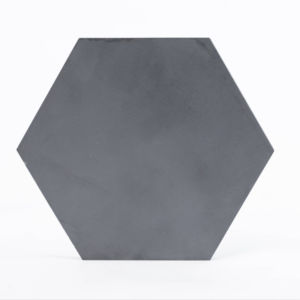
Overview of Laser-Cut Alumina (Al2O3) Ceramic Substrate / Plate
Alumina Ceramic, or Aluminum Oxide (Al₂O₃), is the most widely used and versatile advanced ceramic material. Known for its excellent balance of mechanical, thermal, and electrical properties, it is a cost-effective solution for a vast array of demanding industrial applications. Alumina components are produced in purity levels ranging from 85% to 99.9%, with properties enhancing as purity increases.
Features of Laser-Cut Alumina (Al2O3) Ceramic Substrate / Plate
- High Hardness & Wear Resistance: Offers exceptional resistance to abrasion and mechanical wear.
- Excellent Electrical Insulation: Maintains high electrical resistivity even at elevated temperatures.
- Good Thermal Conductivity: (For a ceramic) effectively dissipates heat, especially in higher purity grades.
- High Compressive Strength: Capable of withstanding significant mechanical loads.
- Chemical Inertness: Highly resistant to corrosion from acids, alkalis, and molten metals.
- Cost-Effectiveness: Provides superior performance at a lower cost compared to many other technical ceramics.
Specifications of Laser-Cut Alumina (Al2O3) Ceramic Substrate / Plate
Laser-Cut Alumina (Al Two O SIX) Ceramic Substratum/ Plate
Product Structure
Alumina (Al ₂ O FOUR) is the major material utilized. Purity levels vary from 96% to 99.8%, depending upon your requirements. High-purity alumina provides much better electrical insulation and thermal performance.
Measurements and Resistances
Criterion density options consist of 0.25 mm, 0.5 mm, 0.635 mm, 1.0 mm, and 1.5 mm. Custom-made thicknesses are also offered. The laser cutting process holds limited tolerances– typically ± 0.05 mm for essential attributes. Overall flatness stays within ± 0.1 mm across the part surface.
Surface area Finish
Both sides of the substrate have a smooth, fine-ground coating. Surface roughness normally determines Ra ≤ 0.4 µm. This finish sustains trustworthy thin-film or thick-film deposition and guarantees good bond for metallization.
Thermal and Electric Features
Alumina substrates take care of high temperatures well. They work continuously approximately 1500 ° C in air. Thermal conductivity varieties from 24 to 30 W/m · K. Electric resistivity exceeds 10 ¹⁴ Ω · centimeters at room temperature. Dielectric strength is commonly above 15 kV/mm.
Mechanical Strength
These plates reveal solid mechanical efficiency. Flexural strength is between 300 and 400 MPa. Hardness gets to 1500– 1700 HV (Vickers), making them immune to use and scratching.
Laser Reducing Advantages
Laser reducing produces tidy edges without micro-cracks. It allows complicated shapes, fine slots, and tiny openings down to 0.1 mm size. No tooling is required, so layout adjustments are quick and cost-effective. The procedure leaves no burrs and maintains material integrity.
Common Applications
Utilize these substratums in power electronic devices, sensors, LED bundles, RF components, and medical tools. Their security and accuracy make them excellent for demanding atmospheres where integrity matters.
Applications of Laser-Cut Alumina (Al2O3) Ceramic Substrate / Plate
Applications of Laser-Cut Alumina (Al ₂ O ₃) Ceramic Substratum
High Precision popular Atmospheres
Laser-cut alumina ceramic substrates are commonly utilized where reliability and precision issue a lot of. Their strong mechanical buildings and exceptional electrical insulation make them optimal for numerous sophisticated applications.
Electronic devices and Semiconductors
These substrates work as steady systems in power electronics, sensing units, and semiconductor product packaging. They manage high voltages without damaging down. Warm spreads uniformly across their surface area, which helps keep sensitive components cool throughout procedure.
Aerospace and Protection
In aerospace systems, every component should carry out under extreme anxiety. Laser-cut alumina plates satisfy this need. They resist thermal shock and stay dimensionally stable also when temperature levels swing sharply. Radar systems, support components, and communication devices commonly rely upon these porcelains for reputable efficiency.
Medical Gadgets
Medical devices require materials that are both sterilized and sturdy. Alumina ceramic fits this role perfectly. It holds up against duplicated sanitation cycles without degrading. You’ll discover it in imaging tools, medical instruments, and implantable tool housings.
Industrial Automation
Factories utilize laser-cut alumina components in sensors, insulators, and wear-resistant elements. The product’s firmness safeguards versus abrasion, while its chemical inertness stops deterioration from oils, solvents, or cleansing representatives.
Custom-made Forms with Clean Sides
Laser reducing provides limited resistances and smooth edges without damaging. This means parts fit precisely where they should, right out of manufacturing. Complex geometries are feasible without additional machining steps.
Due to its mix of strength, insulation, and thermal security, laser-cut alumina ceramic stays a top choice throughout industries that can not manage failure.

Company Profile
Synthetic-chemical focus on the research and development, production and sales of ceramic products, serving the electronics, ceramics, chemical and other industries. Since its establishment in 2015, the company has been committed to providing customers with the best products and services, and has become a leader in the industry through continuous technological innovation and strict quality management.
Our products includes but not limited to Aluminum Nitride, Aluminum Oxide, Boron Carbide, Boron Nitride, Ceramic Crucible, ect. If you are interested in any type of these, please feel free to contact us.

Payment Methods
T/T, Western Union, Paypal, Credit Card etc.
Shipment Methods
By air, by sea, by express, as customers request.
5 FAQs of Laser-Cut Alumina (Al2O3) Ceramic Substrate / Plate
Frequently Asked Questions About Laser-Cut Alumina Ceramic Substrates
What is a laser-cut alumina ceramic substrate?
It is a flat piece made from high-purity aluminum oxide (Al₂O₃). We shape it using a precise laser cutting process. This method gives clean edges and tight tolerances without damaging the material.
Why choose laser cutting over other methods?
Laser cutting avoids mechanical stress and tool wear. It works well for hard, brittle materials like alumina. The result is smooth edges, fine details, and consistent quality. No extra grinding or polishing is usually needed.
What are the main uses of these substrates?
They are used in electronics, sensors, and high-temperature systems. Common applications include circuit boards, insulators, semiconductor parts, and lab equipment. Their stability and electrical insulation make them ideal for demanding environments.
What thicknesses and sizes are available?
Standard thicknesses range from 0.25 mm to 6.0 mm. Custom sizes can be cut up to the limits of the raw ceramic sheet. Most suppliers offer common dimensions like 100×100 mm or 150×150 mm, but you can request specific shapes and sizes.
How strong and heat-resistant is alumina ceramic?
Alumina has excellent mechanical strength and can handle temperatures above 1,500°C. It resists thermal shock, corrosion, and wear. Its electrical insulation stays stable even under high voltage or harsh conditions. This makes it reliable for long-term use in tough settings.
REQUEST A QUOTE
RELATED PRODUCTS
Polished Alumina Ceramic Tubes, Shafts & Tubing
High Temperature 95%/99% Alumina Ceramic Sheet
High Hardness, Chemically Stable Alumina Ceramic Round Shaft
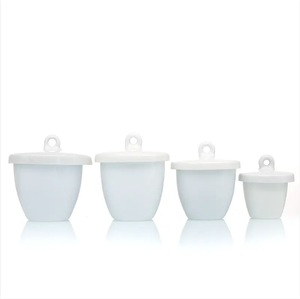
Zirconia-Gravel Crafted Alumina Ceramic Basket Gemstone
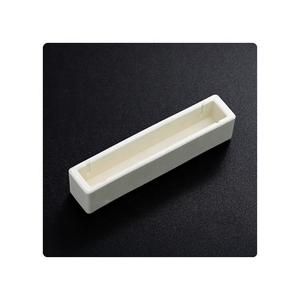
Ceramic Fillers: Aluminum Oxide Powder