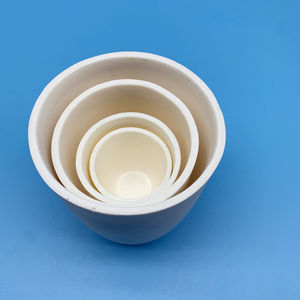
Next-Generation Ceramics: Unlocking Superior Properties for Industry

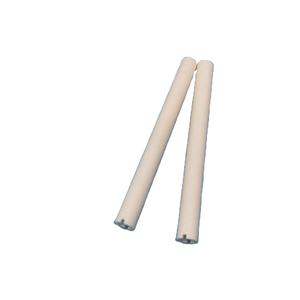
PRODUCT PARAMETERS
Description
Overview of High Temperature 95%/99% Alumina Ceramic Sheet
Alumina Ceramic, or Aluminum Oxide (Al₂O₃), is the most widely used and versatile advanced ceramic material. Known for its excellent balance of mechanical, thermal, and electrical properties, it is a cost-effective solution for a vast array of demanding industrial applications. Alumina components are produced in purity levels ranging from 85% to 99.9%, with properties enhancing as purity increases.
Features of High Temperature 95%/99% Alumina Ceramic Sheet
- High Hardness & Wear Resistance: Offers exceptional resistance to abrasion and mechanical wear.
- Excellent Electrical Insulation: Maintains high electrical resistivity even at elevated temperatures.
- Good Thermal Conductivity: (For a ceramic) effectively dissipates heat, especially in higher purity grades.
- High Compressive Strength: Capable of withstanding significant mechanical loads.
- Chemical Inertness: Highly resistant to corrosion from acids, alkalis, and molten metals.
- Cost-Effectiveness: Provides superior performance at a lower cost compared to many other technical ceramics.
Specifications of High Temperature 95%/99% Alumina Ceramic Sheet
Alumina ceramic sheets provide solid performance in demanding settings. These sheets are available in two main qualities, 95% and 99% alumina purity. Greater purity implies better performance normally. Both kinds manage really high temperatures well. They withstand temperature levels as much as 1700 ° C. This makes them excellent for heating system parts and kiln furniture. They endure abrupt temperature level adjustments without splitting easily. This thermal shock resistance is important.
These ceramic sheets are really hard. They stand up to wear and scraping efficiently. They last much longer than many steels in rough conditions. Their electric insulation properties are superb. They function accurately in high-voltage applications. Alumina ceramics are chemically inert. They withstand assault from lots of acids and bases. This security fits them for rough chemical environments. They are additionally extremely strong mechanically. They have great compressive strength. They withstand bending forces adequately.
You can discover these sheets in different sizes and thicknesses. Typical thicknesses range from 1mm to 25mm or more. Larger measurements are often offered. Custom-made shapes are feasible too. They offer well as warm spreaders in electronics. They are made use of for wear plates in machinery. They operate properly as electrical insulators. They make reliable substratums for sensing units. They are selected for lab devices components. They are vital in semiconductor manufacturing tools. They locate use in heater linings and thermocouple tubes. Need something tough for high warm? Think about alumina ceramic sheets.
Applications of High Temperature 95%/99% Alumina Ceramic Sheet
High temperature alumina ceramic sheets are extremely valuable in several requiring settings. These sheets include either 95% or 99% pure alumina. This makes them really strong and resistant to warm. They manage high temperatures well without damaging or altering shape. This warmth resistance is their crucial strength.
You find these ceramic sheets in heating systems and kilns. They work as cellular linings or safety layers. They secure various other components from extreme warm. They also work as sturdy assistances or trays inside warm areas. Their stability suggests components don’t warp or split under warmth stress.
Semiconductor manufacturing uses them too. They are necessary for holding silicon wafers throughout high-temperature processing actions. The pureness of the ceramic avoids contamination. It guarantees delicate electronic elements stay clean. This is vital for making dependable chips.
Industrial heating units depend on alumina ceramic sheets. They develop the cores or insulators in burner. The material endures continuous high warm exposure. It additionally provides great electric insulation. This keeps heating units secure and effective over long periods.
Welding fixtures commonly incorporate these ceramics. They need to hold parts specifically in position during high-heat welding. The ceramic sheet doesn’t thaw or break down. It preserves precision and holds up against triggers and spatter. This leads to far better high quality welds.
Laboratory devices utilizes them for high-temperature experiments. Crucibles, tubes, and sample owners made from alumina ceramic are common. They sustain repeated home heating and cooling down cycles. They do not react with most chemicals. This makes experiments much more trustworthy.
These sheets offer several practical benefits. They last a lot longer than lots of steel options under heat. They decrease maintenance prices. Their high pureness and security avoid item contamination. They offer exceptional electrical insulation. This makes them safe for electrical applications including warmth.

Company Profile
Synthetic-chemical focus on the research and development, production and sales of ceramic products, serving the electronics, ceramics, chemical and other industries. Since its establishment in 2015, the company has been committed to providing customers with the best products and services, and has become a leader in the industry through continuous technological innovation and strict quality management.
Our products includes but not limited to Aluminum Nitride, Aluminum Oxide, Boron Carbide, Boron Nitride, Ceramic Crucible, ect. If you are interested in any type of these, please feel free to contact us.

Payment Methods
T/T, Western Union, Paypal, Credit Card etc.
Shipment Methods
By air, by sea, by express, as customers request.
5 FAQs of High Temperature 95%/99% Alumina Ceramic Sheet
What’s the difference between 95% and 99% alumina ceramic sheets?
They differ mainly in their purity. 99% alumina contains more pure aluminum oxide. 95% alumina has slightly more additives. This purity change affects their properties. 99% alumina is generally harder. It withstands higher temperatures better. It offers superior chemical resistance. 99% alumina has better electrical insulation too. But 99% alumina costs more. It is also harder to machine.
How hot can these alumina sheets handle?
These sheets handle very high temperatures. 95% alumina typically works up to about 1600°C (2912°F). 99% alumina performs even better. It can withstand temperatures around 1700°C (3092°F). This depends on the specific conditions. Long-term exposure matters. The atmosphere matters too. Mechanical loads matter also. They keep their strength well at high heat. They resist thermal shock effectively.
Can you machine alumina ceramic sheets?
Yes, you can machine them. But it’s tough. Alumina ceramic is extremely hard. Diamond grinding tools are usually needed. Special cutting techniques are required. Machining adds cost. It takes more time. It can also cause micro-cracks. These cracks might weaken the part. Design carefully. Minimize machining where possible. Consider near-net-shape forming during production.
Where are these sheets commonly used?
They are used in many demanding applications. High-temperature furnaces use them as kiln furniture. They hold parts during firing. Semiconductor manufacturing uses them for wafer processing. They serve as insulators. Wear parts benefit from their hardness. Chemical plants use them for corrosion resistance. Heating elements are often supported by them. Electrical insulators rely on their properties.
Why pick alumina ceramic over metal?
Alumina ceramic offers distinct advantages. It resists much higher temperatures than most metals. It won’t melt or deform as easily. It resists chemical attack better. Acids and bases don’t harm it like they harm metal. It provides excellent electrical insulation. Metals conduct electricity. It is very hard. It resists wear far better. It doesn’t corrode like steel or aluminum. It is lighter than many metals too.
REQUEST A QUOTE
RELATED PRODUCTS
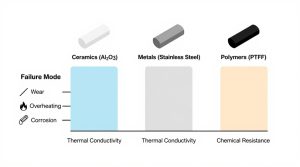
High Electrical Resistance Alumina Ceramic Rod / Shaft for Electroplating
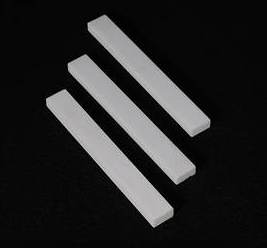
99.99% High Purity Alumina Powder for Ceramic Industry
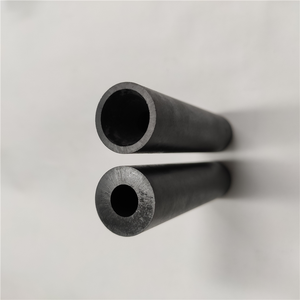
Precise 99% Alumina Porous Ceramic Substrate / Wafer / Disc (Custom)
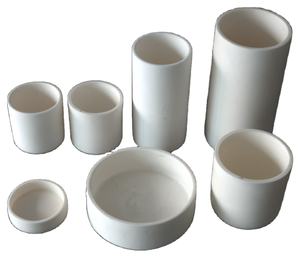
Laser Scribed 0.25mm/0.30mm Alumina (Al2O3) Ceramic Substrate Plate
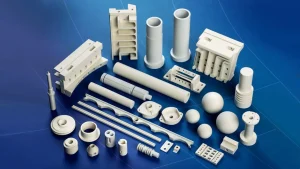
Industrial Custom-Machined High Alumina Ceramic Parts