Overview of Industrial Custom-Machined High Alumina Ceramic Parts
Alumina Ceramic, or Aluminum Oxide (Al₂O₃), is the most widely used and versatile advanced ceramic material. Known for its excellent balance of mechanical, thermal, and electrical properties, it is a cost-effective solution for a vast array of demanding industrial applications. Alumina components are produced in purity levels ranging from 85% to 99.9%, with properties enhancing as purity increases.
Features of Industrial Custom-Machined High Alumina Ceramic Parts
High Hardness & Wear Resistance: Offers exceptional resistance to abrasion and mechanical wear.
Excellent Electrical Insulation: Maintains high electrical resistivity even at elevated temperatures.
Good Thermal Conductivity: (For a ceramic) effectively dissipates heat, especially in higher purity grades.
High Compressive Strength: Capable of withstanding significant mechanical loads.
Chemical Inertness: Highly resistant to corrosion from acids, alkalis, and molten metals.
Cost-Effectiveness: Provides superior performance at a lower cost compared to many other technical ceramics.
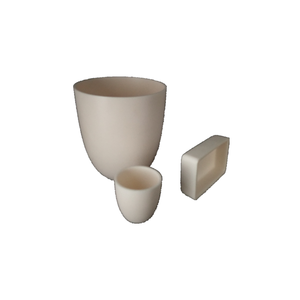
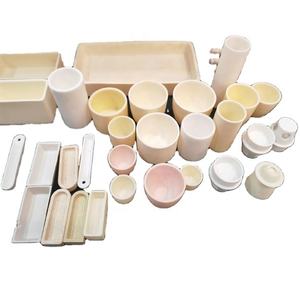
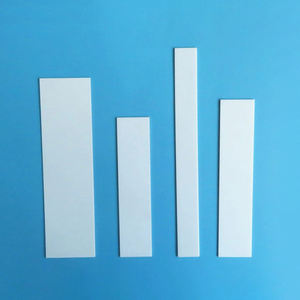
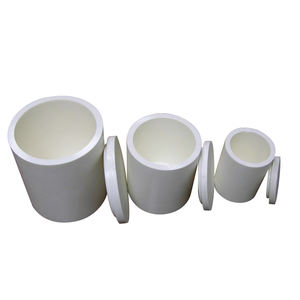
Industrial Custom-Machined High Alumina Ceramic Parts
Specifications of Industrial Custom-Machined High Alumina Ceramic Parts
Requirements of Industrial Custom-Machined High Alumina Porcelain Components
Material Structure
High alumina ceramic parts are made with 95% to 99.8% light weight aluminum oxide (Al two O FOUR). This high purity offers the product outstanding firmness, use resistance, and electrical insulation. Percentages of ingredients like silica or magnesia aid manage grain growth during sintering.
Physical Features
These parts have a thickness in between 3.6 g/cm six and 3.95 g/cm four. Their solidity reaches up to 1700– 2000 HV on the Vickers range. The flexural stamina arrays from 300 MPa to 450 MPa, relying on the alumina content and production process. They additionally reveal reduced thermal growth and good dimensional security under heat.
Thermal and Electrical Performance
Optimum operating temperature level is normally 1600 ° C in air. Thermal conductivity falls in between 20– 30 W/m · K. These ceramics are solid electric insulators, with quantity resistivity over 10 ¹⁴ Ω · cm at area temperature level. Dielectric strength is usually over 10 kV/mm.
Machining and Tolerances
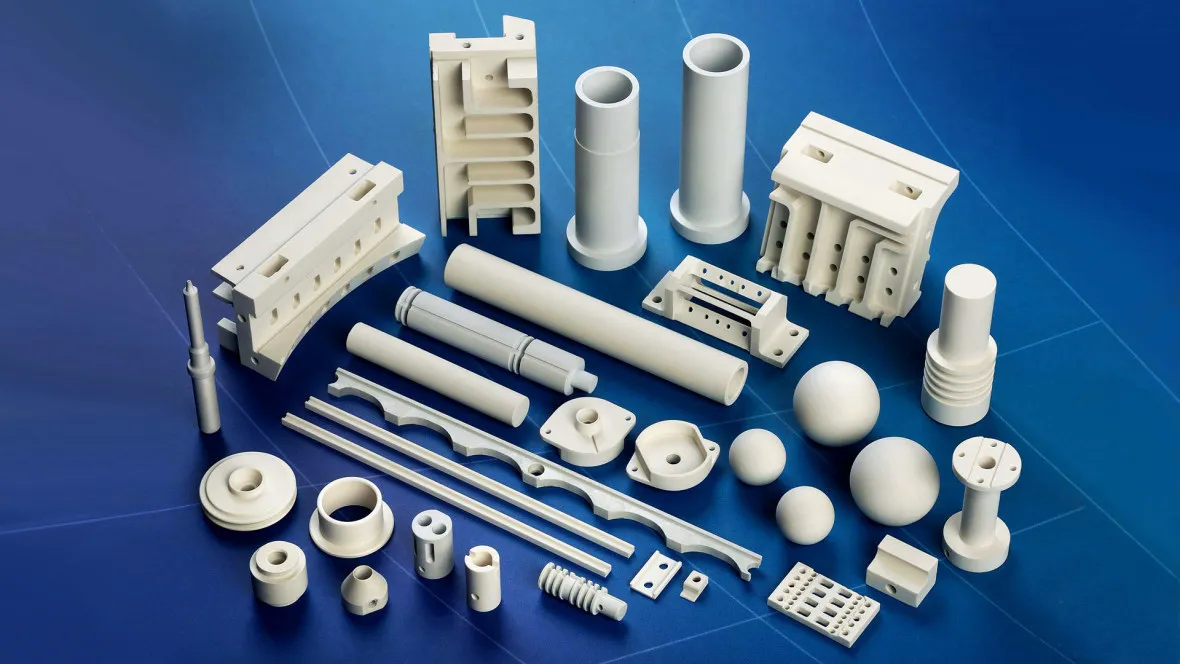
We custom-machine components to fulfill limited industrial demands. Criterion dimensional resistances are ± 0.02 mm, with surface finishes as smooth as Ra 0.2 µm. Complex forms like tubes, rods, rings, and custom geometries can be produced making use of ruby grinding and CNC machining.
Chemical Resistance
High alumina ceramics withstand strike from the majority of acids, alkalis, and molten metals. They do not wear away quickly, making them ideal for extreme chemical settings. Nevertheless, they can be influenced by hydrofluoric acid and solid phosphoric acid at high temperatures.
Usual Applications
These parts are made use of in semiconductor production, aerospace sensors, medical gadgets, pump seals, and high-temperature heating system parts. Their combination of mechanical stamina, thermal security, and electric insulation makes them ideal for demanding industrial functions.
Industrial Custom-Machined High Alumina Ceramic Parts
Applications of Industrial Custom-Machined High Alumina Ceramic Parts
Applications of Industrial Custom-Machined High Alumina Ceramic Parts
Why High Alumina Ceramics?
High alumina ceramic components are made from aluminum oxide with a purity degree frequently over 90%. This product is solid, hard, and resists warm and deterioration very well. As a result of these attributes, it operates in tough industrial setups where metals or plastics would certainly fail.
Usual Uses Across Industries
In the chemical handling market, these ceramics line pipelines, shutoffs, and pumps. They deal with corrosive fluids without putting on down. In electronic devices making, they serve as insulators and substratums. Their electrical resistance and thermal security keep delicate elements safe.
The vehicle and aerospace fields use them in sensors, ignition system insulators, and wear-resistant elements. These components have to endure high temperatures and consistent anxiety– high alumina ceramics do that reliably.
In medical equipment, custom-machined ceramic parts show up in imaging devices and medical tools. They are biocompatible and sterilizable, which meets rigorous health criteria.
Advantages of Custom Machining
Every application has special demands. Custom-made machining shapes high alumina ceramics to precise sizes and tolerances. This ensures a best fit and ideal efficiency. Limited control over dimensions also reduces waste and assembly time.
Because these porcelains are breakable, precision machining stays clear of fractures or weak points. Experienced professionals use ruby devices and specialized procedures to keep honesty while accomplishing complicated geometries.
Dependability popular Settings
Whether it’s extreme heat, rough particles, or hostile chemicals, personalized high alumina ceramic parts provide long service life with minimal upkeep. Plants and devices run longer without unanticipated closures. Operators trust fund these components to execute regularly under pressure.
Company Profile
Synthetic-chemical focus on the research and development, production and sales of ceramic products, serving the electronics, ceramics, chemical and other industries. Since its establishment in 2015, the company has been committed to providing customers with the best products and services, and has become a leader in the industry through continuous technological innovation and strict quality management.
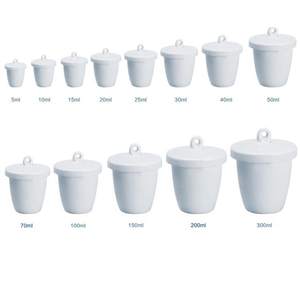
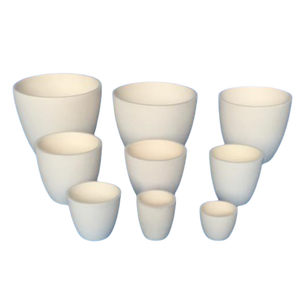
Our products includes but not limited to Aluminum Nitride, Aluminum Oxide, Boron Carbide, Boron Nitride, Ceramic Crucible, ect. If you are interested in any type of these, please feel free to contact us.
Payment Methods
T/T, Western Union, Paypal, Credit Card etc.
Shipment Methods
By air, by sea, by express, as customers request.
Industrial Custom-Machined High Alumina Ceramic Parts
5 FAQs of Industrial Custom-Machined High Alumina Ceramic Parts
Frequently Asked Questions About Industrial Custom-Machined High Alumina Ceramic Parts
What are high alumina ceramic parts used for?
These parts work well in tough environments. Factories use them in pumps, valves, seals, and linings. They handle high heat, strong chemicals, and heavy wear better than most metals or plastics.
Why choose custom-machined ceramics over standard ones?
Every machine or system has unique needs. Custom parts fit exactly where they must go. This reduces gaps, leaks, or failures. It also helps your equipment run longer and more efficiently.
How precise can these ceramic parts be?
We machine parts to very tight tolerances—often within ±0.005 mm. This level of accuracy meets strict industrial standards. It ensures the part works correctly in complex assemblies.
Are high alumina ceramics brittle?
Yes, ceramics can break if hit hard or bent sharply. But high alumina types are among the toughest ceramics available. We design parts to avoid sharp edges and weak points. This lowers the risk of cracking during normal use.
What is the lead time for custom orders?
Lead time depends on part size, complexity, and quantity. Simple parts may take 2–3 weeks. Complex designs or large batches could need 4–6 weeks. We give a clear timeline once we review your drawings and specs.