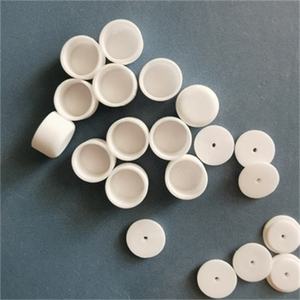
Next-Generation Ceramics: Unlocking Superior Properties for Industry

PRODUCT PARAMETERS
Description
Overview of Aluminum Nitride Composite Ceramics Boron Nitride Hot Press
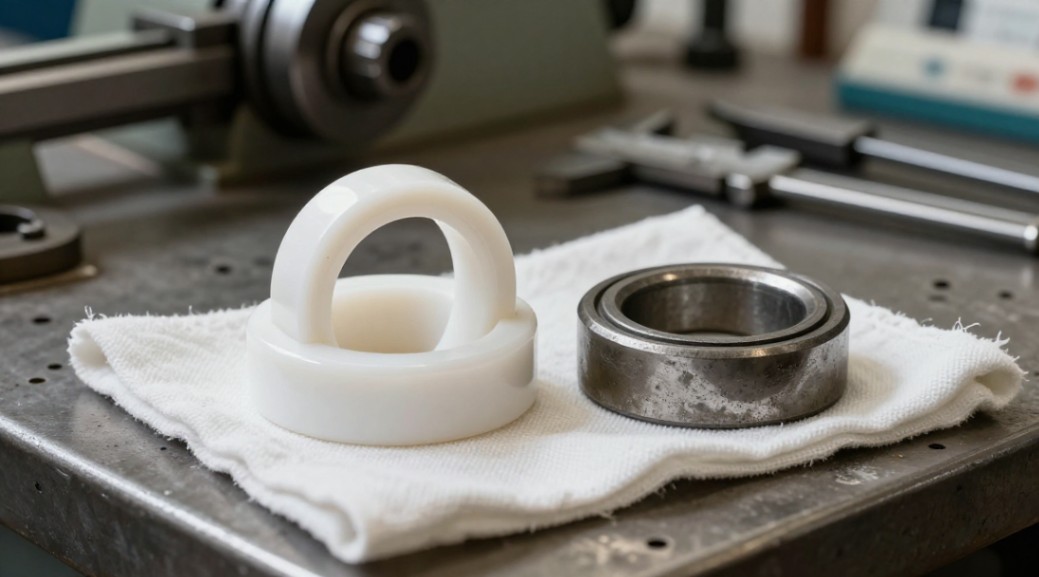
Boron Nitride (BN) exists in multiple polymorphs, with Hexagonal Boron Nitride (h-BN) being the most common ceramic form. Often called “white graphite” due to its similar layered, lubricious structure, it is distinguished by its exceptional thermal stability, electrical insulation, and chemical inertness, even at extreme temperatures.
Features of Aluminum Nitride Composite Ceramics Boron Nitride Hot Press
- High Thermal Conductivity & Excellent Electrical Insulation: Unique combination that allows it to conduct heat like a metal but insulate like a ceramic.
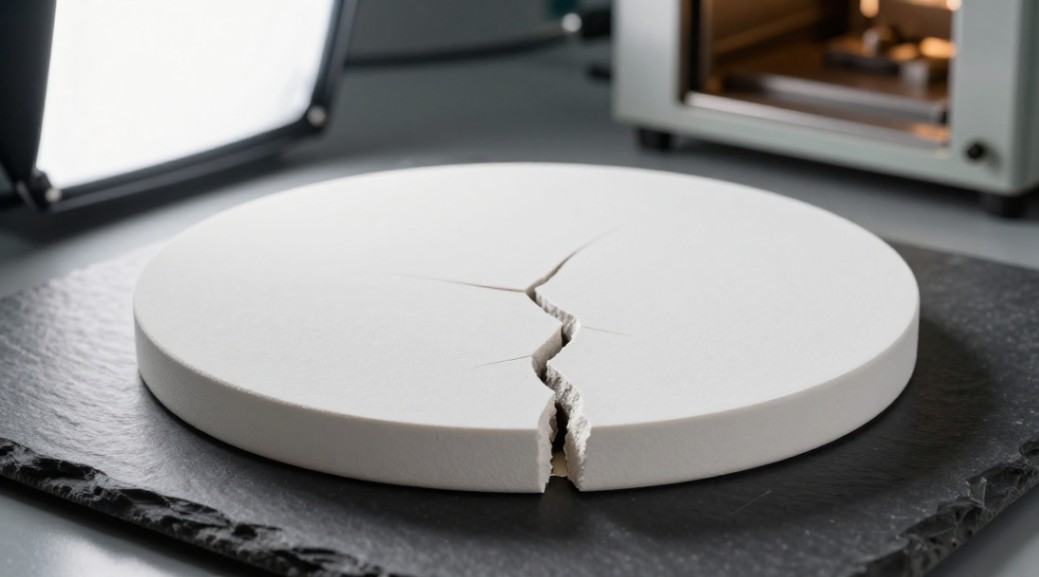
- Outstanding Thermal Shock Resistance: Can be heated and cooled rapidly without cracking.
- Natural Lubricity: Exhibits low friction and anti-stick properties, even at high temperatures.
- Chemically Inert: Resists wetting by and reaction with most molten metals, slags, and glasses.
- Machinable: Unlike most advanced ceramics, h-BN in its solid form can be machined to precision tolerances using conventional carbide tooling.
Specifications of Aluminum Nitride Composite Ceramics Boron Nitride Hot Press
Aluminum Nitride Composite Ceramics with Boron Nitride – Hot Press Specifications
Material Composition
This product combines aluminum nitride (AlN) and hexagonal boron nitride (h-BN) in a hot-pressed ceramic matrix. The typical AlN content ranges from 70% to 90% by volume, while h-BN makes up the balance. Small amounts of sintering aids like yttria (Y₂O₃) or calcium oxide (CaO) may be added to support densification during pressing.
Physical Properties
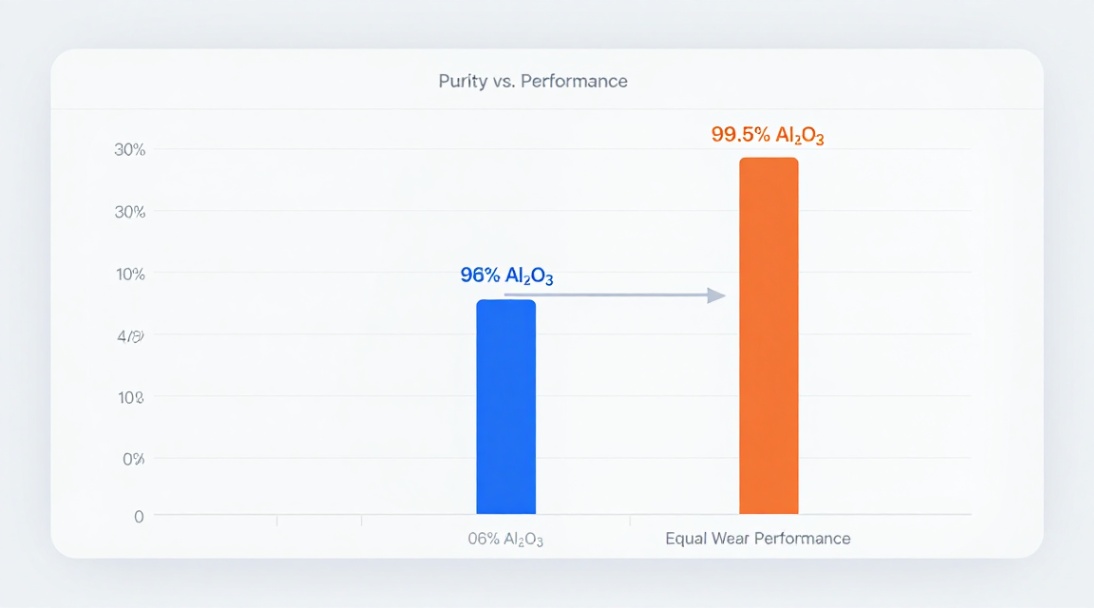
The composite shows high thermal conductivity, usually between 80–160 W/m·K, depending on the exact ratio of AlN to h-BN. It maintains low thermal expansion (about 4.5 × 10⁻⁶ /°C) and excellent dimensional stability under heat. Its density falls in the range of 2.9–3.2 g/cm³, and hardness measures around 12–15 GPa on the Vickers scale.
Mechanical Performance
Flexural strength typically reaches 250–350 MPa. The addition of h-BN improves machinability and reduces brittleness, making the material easier to shape without cracking. Fracture toughness stays within 3.0–4.0 MPa·m¹/², offering reliable performance under mechanical stress.
Thermal and Electrical Features
Thanks to AlN’s inherent insulation and h-BN’s layered structure, the composite remains an excellent electrical insulator with volume resistivity above 10¹⁴ Ω·cm. It operates continuously at temperatures up to 1,300°C in inert atmospheres and retains structural integrity even after repeated thermal cycling.
Manufacturing Process
Parts are formed using hot pressing at temperatures between 1,700°C and 1,900°C under uniaxial pressure of 20–30 MPa. This method ensures high density and uniform microstructure. Final products can be supplied as blocks, plates, or custom near-net shapes ready for precision machining.
Applications of Aluminum Nitride Composite Ceramics Boron Nitride Hot Press
Applications of Aluminum Nitride–Boron Nitride Composite Ceramics in Hot Pressing
High-Performance Thermal Management
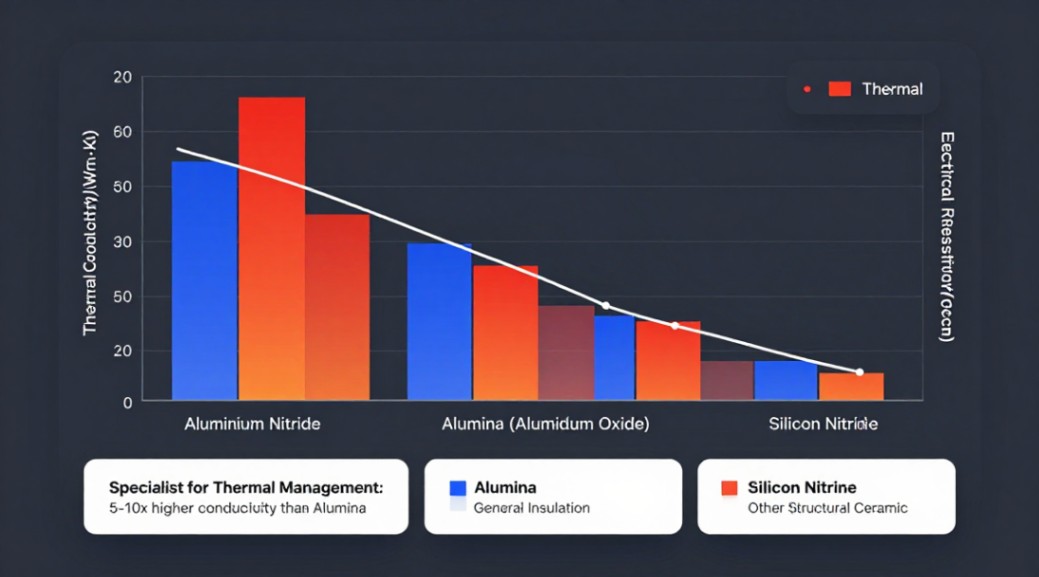
Aluminum nitride (AlN) and boron nitride (BN) form a strong composite when processed by hot pressing. This material handles heat very well. It moves heat quickly while staying electrically insulated. That makes it ideal for electronics that run hot but must avoid short circuits. You’ll find it in power modules, LED substrates, and high-frequency devices where stable temperature control matters.
Reliable in Harsh Conditions
The AlN–BN composite resists thermal shock. It won’t crack easily when temperatures change fast. This trait is useful in aerospace parts and industrial sensors exposed to sudden heating or cooling. The material also stays stable in corrosive environments. It holds up better than many metals or standard ceramics under stress.
Precision Manufacturing Compatibility
Hot pressing shapes this composite into dense, uniform parts with tight tolerances. The process gives the final product smooth surfaces and consistent structure. These qualities help in semiconductor manufacturing tools, where even minor flaws can ruin entire batches. The composite’s machinability allows complex geometries without losing performance.
Electrical Insulation Without Compromise
Strong electrical insulation is built into every piece. Even at high temperatures, the material blocks current effectively. This safety feature supports its use in high-voltage insulators and electric vehicle components. Unlike some polymers, it doesn’t degrade or melt under load.
Manufacturers choose aluminum nitride–boron nitride composites because they solve multiple problems at once: heat removal, structural strength, and electrical safety. The hot press method locks these benefits into a single, reliable component ready for demanding real-world applications.

Company Profile
Synthetic-chemical focus on the research and development, production and sales of ceramic products, serving the electronics, ceramics, chemical and other industries. Since its establishment in 2015, the company has been committed to providing customers with the best products and services, and has become a leader in the industry through continuous technological innovation and strict quality management.
Our products includes but not limited to Aluminum Nitride, Aluminum Oxide, Boron Carbide, Boron Nitride, Ceramic Crucible, ect. If you are interested in any type of these, please feel free to contact us.

Payment Methods
T/T, Western Union, Paypal, Credit Card etc.
Shipment Methods
By air, by sea, by express, as customers request.
5 FAQs of Aluminum Nitride Composite Ceramics Boron Nitride Hot Press
Frequently Asked Questions About Aluminum Nitride Composite Ceramics with Boron Nitride Hot Press
What is aluminum nitride composite ceramic?
Aluminum nitride (AlN) composite ceramic combines aluminum nitride with other materials like boron nitride. This mix gives the material high thermal conductivity and strong electrical insulation. It works well in electronics and high-temperature environments.
Why add boron nitride to aluminum nitride?
Boron nitride improves machinability and thermal shock resistance. Pure aluminum nitride can be hard to shape. Adding boron nitride makes it easier to cut or drill without cracking. It also helps the material handle sudden temperature changes better.
How does hot pressing work for this material?
Hot pressing heats the powder mixture under pressure. This process creates a dense, strong ceramic part with few pores. The result is a uniform structure that performs reliably in demanding applications.
Where are these ceramics used?
These ceramics are common in power electronics, LED lighting, and semiconductor manufacturing. They serve as heat spreaders, substrates, and insulating parts. Their ability to move heat away while blocking electricity makes them ideal for such roles.
Are these ceramics safe at high temperatures?
Yes. Aluminum nitride–boron nitride composites stay stable up to 1,000°C or higher in air. They do not melt or degrade easily. This stability ensures long-term performance in furnaces, sensors, and other high-heat systems.
REQUEST A QUOTE
RELATED PRODUCTS
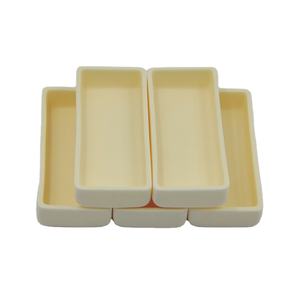
Boron Nitride Ceramic Tube Bushing Precision Threaded
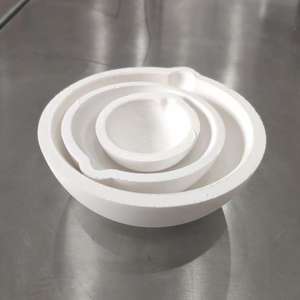
Boron Nitride Conductive Ceramic Evaporation Boats for Vacuum Metal Coating
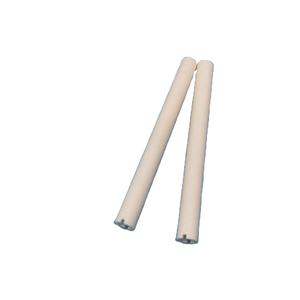
Boron Nitride Ceramic for Semiconductor Processing Components
Hot Pressed Hexagonal Boron Nitride Ceramic Ring
Boron Nitride Ceramic Parts Heat Resistant Insulator