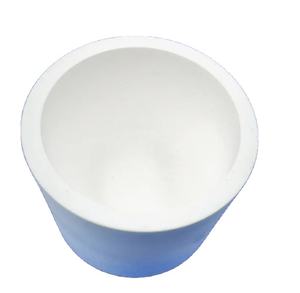
Next-Generation Ceramics: Unlocking Superior Properties for Industry

PRODUCT PARAMETERS
Description
Overview of Boron Nitride Ceramic Insulator Boride
Boron Nitride (BN) exists in multiple polymorphs, with Hexagonal Boron Nitride (h-BN) being the most common ceramic form. Often called “white graphite” due to its similar layered, lubricious structure, it is distinguished by its exceptional thermal stability, electrical insulation, and chemical inertness, even at extreme temperatures.
Features of Boron Nitride Ceramic Insulator Boride
- High Thermal Conductivity & Excellent Electrical Insulation: Unique combination that allows it to conduct heat like a metal but insulate like a ceramic.
- Outstanding Thermal Shock Resistance: Can be heated and cooled rapidly without cracking.
- Natural Lubricity: Exhibits low friction and anti-stick properties, even at high temperatures.
- Chemically Inert: Resists wetting by and reaction with most molten metals, slags, and glasses.
- Machinable: Unlike most advanced ceramics, h-BN in its solid form can be machined to precision tolerances using conventional carbide tooling.
Specifications of Boron Nitride Ceramic Insulator Boride
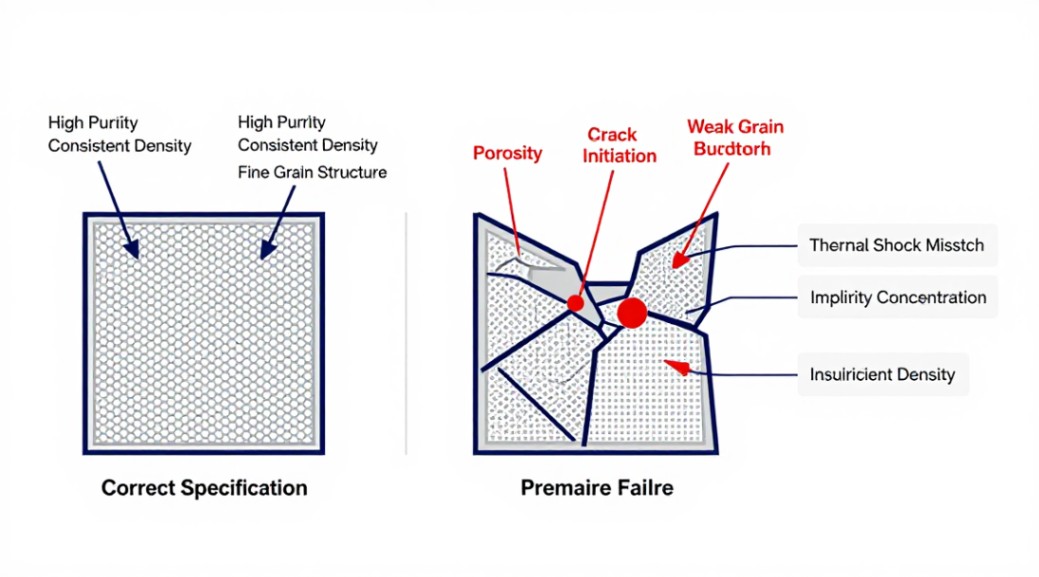
Specifications of Boron Nitride Porcelain Insulator
Material Composition
Boron nitride ceramic insulators are made from high-purity hexagonal boron nitride (h-BN). This product uses outstanding electrical insulation and thermal stability. The normal pureness level is 99% or greater. Small amounts of binders might be added during manufacturing to enhance mechanical stamina, yet they do not influence efficiency.
Thermal Features
These insulators manage high temperatures very well. They stay steady up to 1000 ° C in air and also greater– as much as 2800 ° C in inert atmospheres. Their thermal conductivity varieties from 30 to 60 W/m ·K, depending on density and positioning. This makes them optimal for applications requiring effective heat dissipation without conducting electrical energy.
Electrical Efficiency
Boron nitride porcelains are strong electric insulators. At space temperature level, their quantity resistivity surpasses 10 ¹⁴ Ω · cm. Even at raised temperature levels, they preserve high dielectric stamina– commonly above 15 kV/mm. They additionally show reduced dielectric loss, which guarantees stable performance in high-frequency atmospheres.
Mechanical Qualities
Though not as difficult as alumina or other structural porcelains, boron nitride insulators provide great machinability and moderate strength. Flexural toughness typically falls between 60 and 100 MPa. Compressive strength is greater, often getting to 200 MPa. Their layered crystal framework gives them a self-lubricating surface, decreasing wear in moving parts.
Chemical Resistance
These porcelains resist strike from most molten steels, slags, and acids. They do not respond with aluminum, iron, or copper even at heats. Nonetheless, they can oxidize gradually over 800 ° C in air, so safety ambiences are suggested for long-lasting use in severe conditions.
Common Types and Resistances
Boron nitride insulators come as poles, tubes, plates, and custom shapes. Requirement dimensional resistances are ± 0.1 mm, yet tighter tolerances are possible with accuracy machining. Surface area surfaces can be brightened to Ra < 0.8 µm for specialized applications.
Applications of Boron Nitride Ceramic Insulator Boride
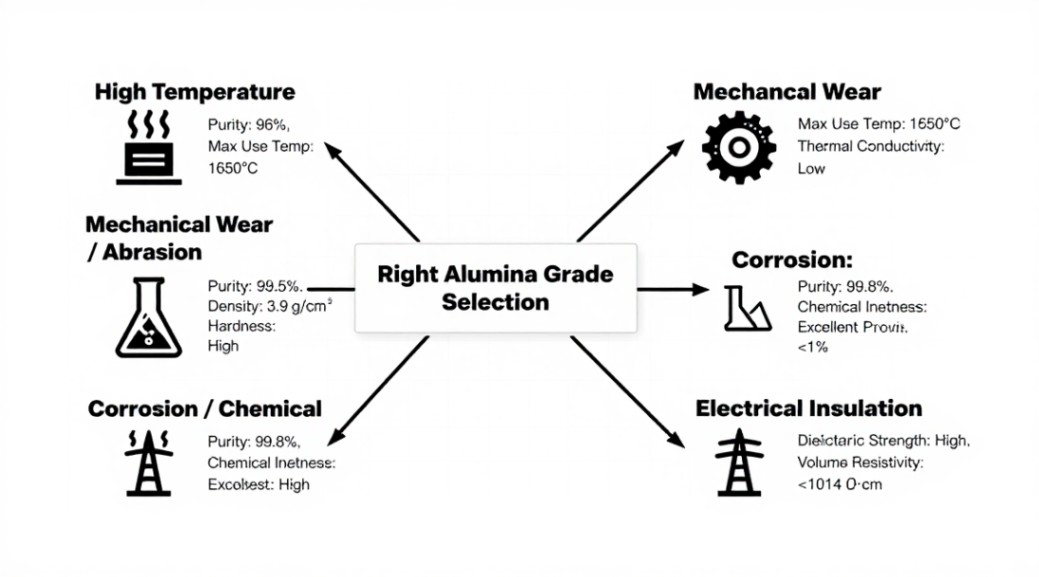
Applications of Boron Nitride Ceramic Insulators
High-Temperature Electric Insulation
Boron nitride ceramic insulators function well in severe heat. They remain stable at temperature levels above 1,000 ° C. This makes them excellent for usage in furnaces, burner, and aerospace systems. Unlike lots of various other porcelains, they do not perform electricity even when warm. Their solid insulation keeps electrical systems secure and reliable.
Thermal Administration in Electronic Devices
Modern electronic devices produce a great deal of warmth. Boron nitride aids relocate that warmth away without letting electricity pass through. It is used in motherboard, power components, and LED illumination. The material’s high thermal conductivity cools elements fast. At the very same time, its electrical insulation protects against short circuits.
Steel Processing and Casting
In metal foundries, boron nitride insulators shield tools from molten steel. They stand up to wetting and chain reactions with light weight aluminum, copper, and various other steels. Crucibles, nozzles, and molds usually include boron nitride components. These components last longer and decrease contamination in the end product.
Vacuum and Semiconductor Environments
Clean, stable efficiency matters in vacuum chambers and semiconductor tools. Boron nitride does not launch gases or bits when heated. It also stands up to plasma disintegration. That’s why it’s utilized in wafer handling, ion implanters, and sputtering systems. Its purity sustains high-yield manufacturing.
Specialized Industrial Makes Use Of
Beyond common applications, boron nitride appears in radar systems, microwave tubes, and laser components. It deals with high-frequency signals without disturbance. Its smooth surface area and reduced rubbing likewise aid in mechanical seals and sliding components. Designers select it when common porcelains fall short under stress and anxiety, warmth, or electric lots.
Boron nitride ceramic insulators integrate heat resistance, electric seclusion, and chemical security. These qualities make them vital across requiring markets where integrity can not be jeopardized.

Company Profile
Synthetic-chemical focus on the research and development, production and sales of ceramic products, serving the electronics, ceramics, chemical and other industries. Since its establishment in 2015, the company has been committed to providing customers with the best products and services, and has become a leader in the industry through continuous technological innovation and strict quality management.
Our products includes but not limited to Aluminum Nitride, Aluminum Oxide, Boron Carbide, Boron Nitride, Ceramic Crucible, ect. If you are interested in any type of these, please feel free to contact us.

Payment Methods
T/T, Western Union, Paypal, Credit Card etc.
Shipment Methods
By air, by sea, by express, as customers request.
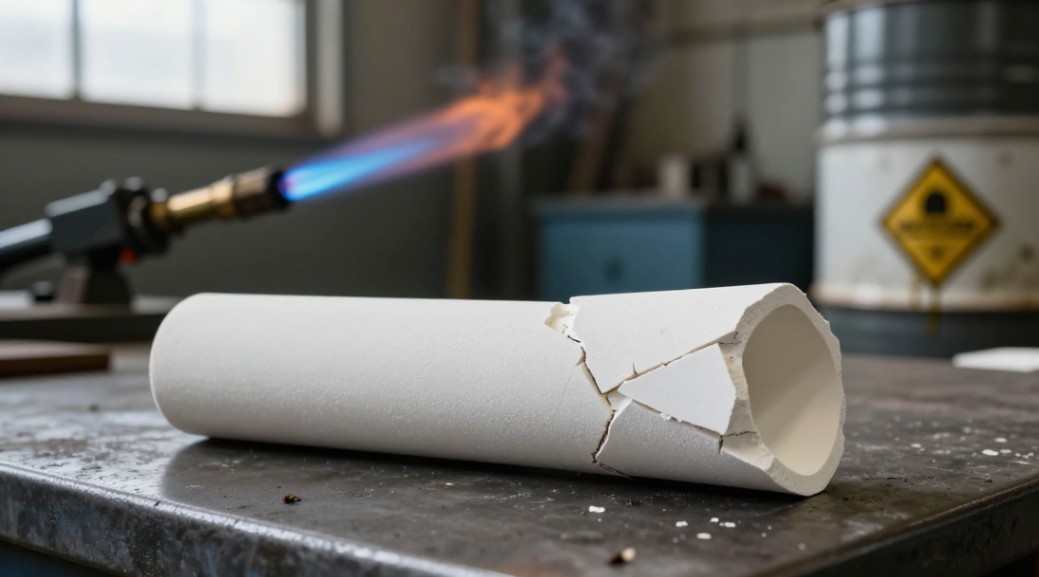
5 FAQs of Boron Nitride Ceramic Insulator Boride
Frequently Asked Questions About Boron Nitride Ceramic Insulators
What is a boron nitride ceramic insulator?
A boron nitride ceramic insulator is a high-performance part made from boron nitride. It blocks electricity and heat very well. This material keeps systems safe by stopping unwanted current flow and managing high temperatures.
Why choose boron nitride over other ceramics?
Boron nitride stands out because it works well even at extreme temperatures. It does not react with most chemicals. It also has excellent electrical insulation and stays stable under stress. These traits make it better than many standard ceramics in demanding uses.
Where are these insulators commonly used?
You will find boron nitride insulators in aerospace, electronics, and industrial heating equipment. They are used in things like semiconductor tools, plasma chambers, and high-temperature furnaces. Their reliability makes them ideal for sensitive or harsh environments.
Can boron nitride handle thermal shock?
Yes. Boron nitride resists thermal shock very well. It can go from cold to hot quickly without cracking. This is important in applications where temperature changes happen fast or often.
Is boron nitride safe to use?
Boron nitride is non-toxic and chemically inert. It does not release harmful fumes during normal use. Always follow handling guidelines, especially when machining or installing parts, to avoid dust inhalation. Once installed, it poses no health risk in typical operating conditions.
REQUEST A QUOTE
RELATED PRODUCTS
Boron Nitride Ceramics for Semiconductor Heaters
Boron Nitride Ceramic Crucible for Molten Metal
Machinable Boron Nitride Ceramic Rod for Industrial Use
Pyrolytic Boron Nitride Ceramic Part
Boron Nitride Ceramic Ring for Electronics and Furnace Parts