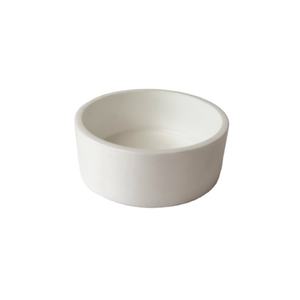
Next-Generation Ceramics: Unlocking Superior Properties for Industry

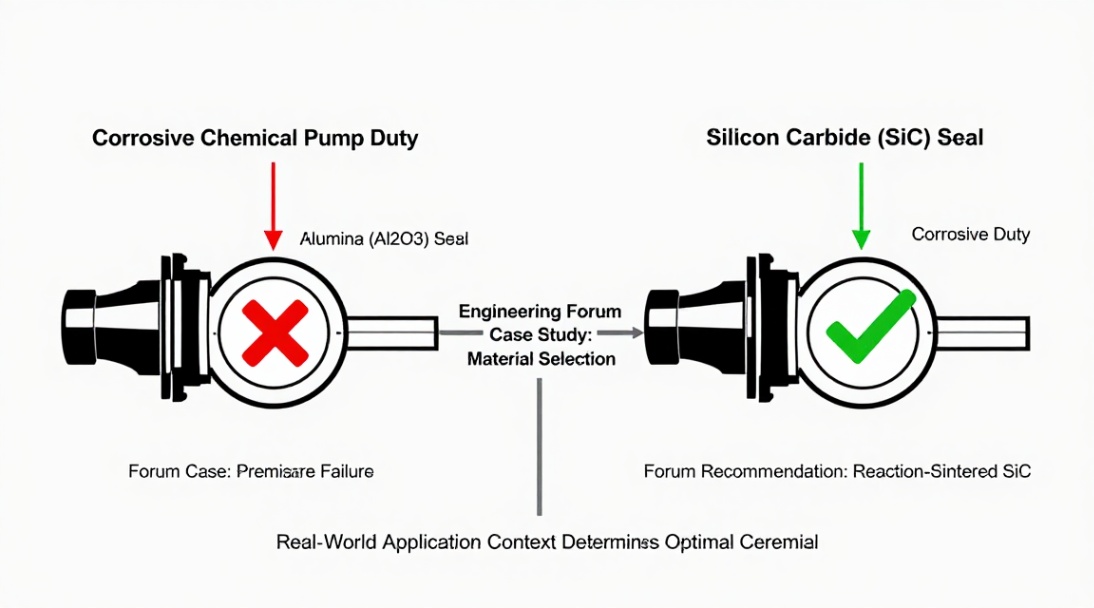
PRODUCT PARAMETERS
Description
Overview of Boron Nitride Aluminum Nitride Composite Ceramics
Boron Nitride (BN) exists in multiple polymorphs, with Hexagonal Boron Nitride (h-BN) being the most common ceramic form. Often called “white graphite” due to its similar layered, lubricious structure, it is distinguished by its exceptional thermal stability, electrical insulation, and chemical inertness, even at extreme temperatures.
Features of Boron Nitride Aluminum Nitride Composite Ceramics
- High Thermal Conductivity & Excellent Electrical Insulation: Unique combination that allows it to conduct heat like a metal but insulate like a ceramic.
- Outstanding Thermal Shock Resistance: Can be heated and cooled rapidly without cracking.
- Natural Lubricity: Exhibits low friction and anti-stick properties, even at high temperatures.
- Chemically Inert: Resists wetting by and reaction with most molten metals, slags, and glasses.
- Machinable: Unlike most advanced ceramics, h-BN in its solid form can be machined to precision tolerances using conventional carbide tooling.
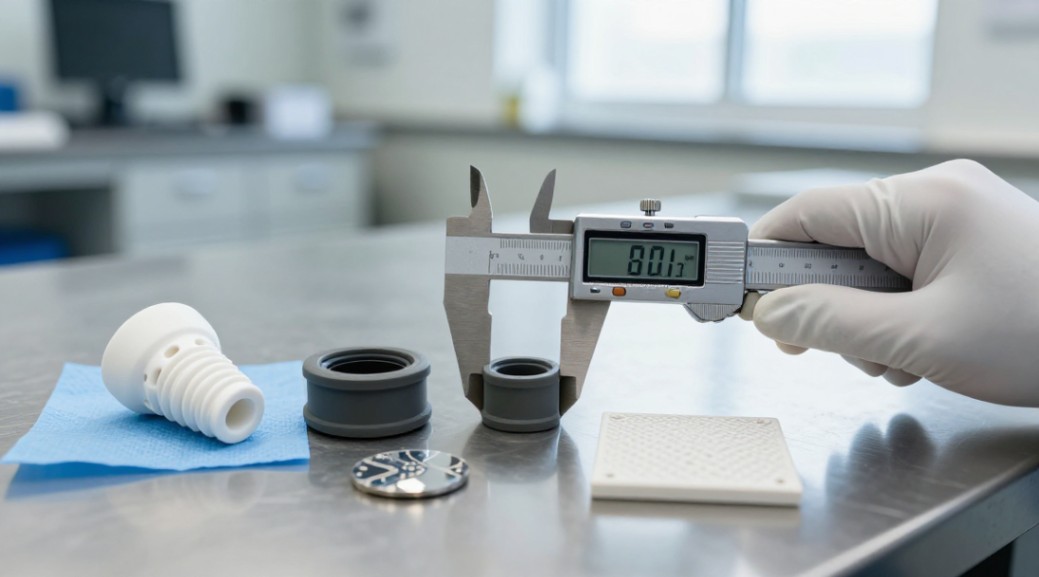
Specifications of Boron Nitride Aluminum Nitride Composite Ceramics
Specs of Boron Nitride– Light Weight Aluminum Nitride Composite Ceramics
Material Make-up
This composite ceramic blends boron nitride (BN) and aluminum nitride (AlN) in very carefully controlled proportions. The conventional solution has 10% to 40% hexagonal boron nitride by volume, with the balance made up of high-purity aluminum nitride. Both components are sintered under inert environment to preserve chemical stability and stop oxidation.
Thermal Residences
The material reveals exceptional thermal conductivity, typically varying from 80 to 170 W/m · K , depending upon the BN web content and alignment. Higher BN levels lower total thermal conductivity but improve thermal shock resistance. The coefficient of thermal expansion remains between 4.0 and 5.2 ppm/ ° C (from 25 ° C to 400 ° C), which carefully matches lots of semiconductor and digital packaging materials.
Electric Features
These porcelains are strong electric insulators. Volume resistivity surpasses 10 ¹⁴ Ω · cm at room temperature level. Dielectric toughness is above 15 kV/mm , and the dielectric constant continues to be low– usually between 6 and 9 at 1 MHz– making the product appropriate for high-frequency applications.
Mechanical Efficiency
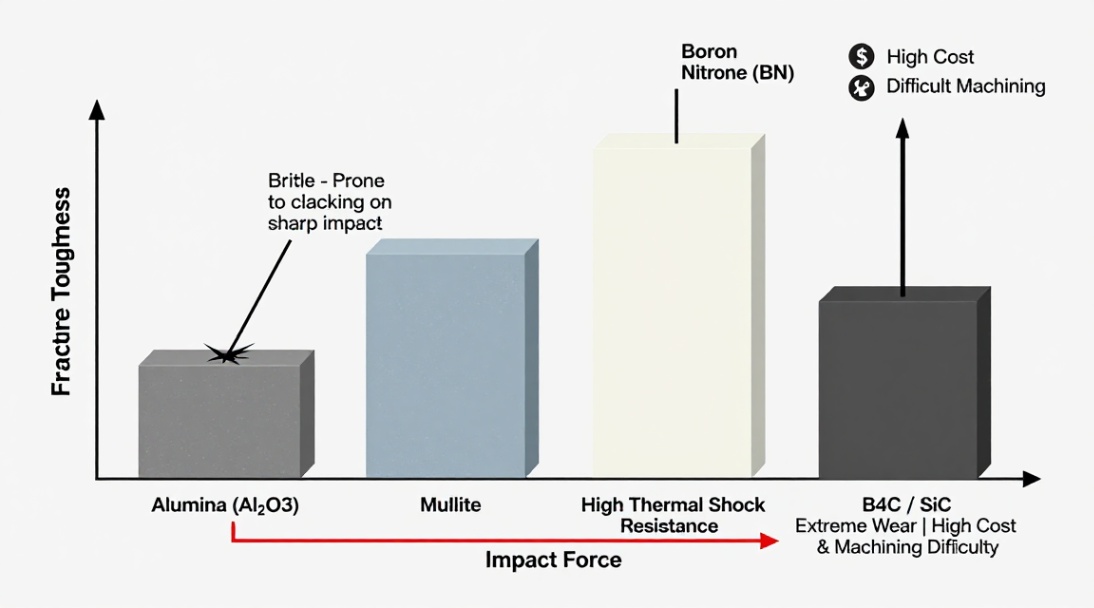
Flexural toughness ranges from 200 to 320 MPa , while Vickers firmness drops between 900 and 1100 HV . The enhancement of boron nitride boosts machinability without dramatically reducing mechanical strength. However, effect durability remains modest due to the fundamental brittleness of ceramic systems.
Chemical and Environmental Security
The composite withstands strike from a lot of molten metals and slags. It continues to be secure in inert or lowering environments as much as 1800 ° C . In air, continuous usage is limited to concerning 1000 ° C due to the fact that boron nitride oxidizes slowly over this temperature level. The material does not take in wetness and reveals no outgassing under vacuum problems.
Usual Forms and Tolerances
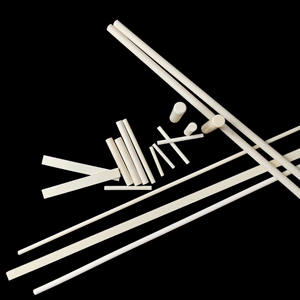
Readily available as plates, poles, tubes, and custom-machined parts. Criterion dimensional tolerances are ± 0.1 mm , with surface finishes to Ra 0.8 μm possible via grinding or washing.
Applications of Boron Nitride Aluminum Nitride Composite Ceramics
Applications of Boron Nitride– Light Weight Aluminum Nitride Compound Ceramics
High-Performance Thermal Monitoring
Boron nitride– light weight aluminum nitride (BN– AlN) composite ceramics are extensively made use of where warm needs to relocate quickly and equally. These materials incorporate the high thermal conductivity of aluminum nitride with the electrical insulation and lubricity of boron nitride. This makes them excellent for heat spreaders, substratums, and insulating layers in power electronic devices. They assist devices remain amazing without conducting electrical energy– important in electric cars, 5G framework, and LED lights systems.
Advanced Semiconductor Manufacturing
In semiconductor production, parts have to withstand extreme temperature levels and not contaminate delicate processes. BN– AlN compounds meet these demands. Their low thermal expansion matches silicon wafers carefully, reducing anxiety during heating and cooling cycles. Elements like electrostatic chucks, wafer clamping rings, and plasma chamber cellular linings take advantage of their stability, pureness, and resistance to put on.
Aerospace and Defense Solutions
Aerospace applications require materials that execute accurately under severe problems. BN– AlN porcelains supply solid mechanical residential properties at high temperatures, together with superb dielectric habits. They are used in radar systems, missile assistance parts, and satellite communication equipment. Their ability to manage fast temperature shifts without splitting includes worth in flight-critical systems.
Specialized Industrial Tools
Industrial settings additionally utilize these composites for crucibles, nozzles, and heating system fixtures. The mix of chemical inertness and thermal shock resistance allows them to hold or form liquified metals and glass without deteriorating. In steel casting or crystal growth processes, BN– AlN parts last longer and preserve dimensional precision better than lots of alternatives.
These porcelains fill an unique role where warm, power, and mechanical anxiety intersect. Engineers select them when common products fail– especially when performance, dependability, and security can not be endangered.

Company Profile
Synthetic-chemical focus on the research and development, production and sales of ceramic products, serving the electronics, ceramics, chemical and other industries. Since its establishment in 2015, the company has been committed to providing customers with the best products and services, and has become a leader in the industry through continuous technological innovation and strict quality management.
Our products includes but not limited to Aluminum Nitride, Aluminum Oxide, Boron Carbide, Boron Nitride, Ceramic Crucible, ect. If you are interested in any type of these, please feel free to contact us.

Payment Methods
T/T, Western Union, Paypal, Credit Card etc.
Shipment Methods
By air, by sea, by express, as customers request.
5 FAQs of Boron Nitride Aluminum Nitride Composite Ceramics
Frequently Asked Questions About Boron Nitride–Aluminum Nitride Composite Ceramics
What is this material made of?
This ceramic combines boron nitride (BN) and aluminum nitride (AlN). Both parts are non-metallic. They are mixed in specific ratios to get the best balance of heat conduction, electrical insulation, and mechanical strength.
Why choose this composite over other ceramics?
It handles heat better than many standard ceramics. It also blocks electricity well. This makes it ideal for electronics that run hot but must stay electrically safe. The mix keeps parts from cracking under sudden temperature changes.
Where is it commonly used?
You’ll find it in power electronics, LED lighting, semiconductor tools, and high-frequency devices. It works well as a heat spreader, insulator, or support part where both cooling and safety matter.
Is it hard to machine or shape?
Boron nitride makes the composite easier to cut or drill than pure aluminum nitride. Still, special tools and methods are needed. Most customers order parts in their final shape to avoid extra machining.
How does it perform at high temperatures?
It stays stable up to 800–1000°C in air. It won’t melt, warp, or lose its insulating ability quickly. This reliability helps systems run longer without failure, even under heavy thermal loads.
REQUEST A QUOTE
RELATED PRODUCTS
Boron Nitride Ceramic Insulators for Ion Source
Boron Nitride Ceramic Material Heat Insulating
High Purity Boron Nitride Ceramic Crucible for Melting
Boron Nitride Ceramic Parts Low Thermal Expansion
Boron Nitride Ceramic Parts Electrically Insulating Wear Resistant