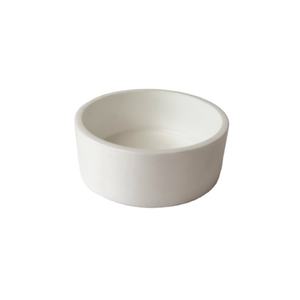
Next-Generation Ceramics: Unlocking Superior Properties for Industry

PRODUCT PARAMETERS
Description
Overview of Boron Nitride Ceramic Structural High Temperature Resistance
Boron Nitride (BN) exists in multiple polymorphs, with Hexagonal Boron Nitride (h-BN) being the most common ceramic form. Often called “white graphite” due to its similar layered, lubricious structure, it is distinguished by its exceptional thermal stability, electrical insulation, and chemical inertness, even at extreme temperatures.
Features of Boron Nitride Ceramic Structural High Temperature Resistance
- High Thermal Conductivity & Excellent Electrical Insulation: Unique combination that allows it to conduct heat like a metal but insulate like a ceramic.
- Outstanding Thermal Shock Resistance: Can be heated and cooled rapidly without cracking.
- Natural Lubricity: Exhibits low friction and anti-stick properties, even at high temperatures.
- Chemically Inert: Resists wetting by and reaction with most molten metals, slags, and glasses.
- Machinable: Unlike most advanced ceramics, h-BN in its solid form can be machined to precision tolerances using conventional carbide tooling.
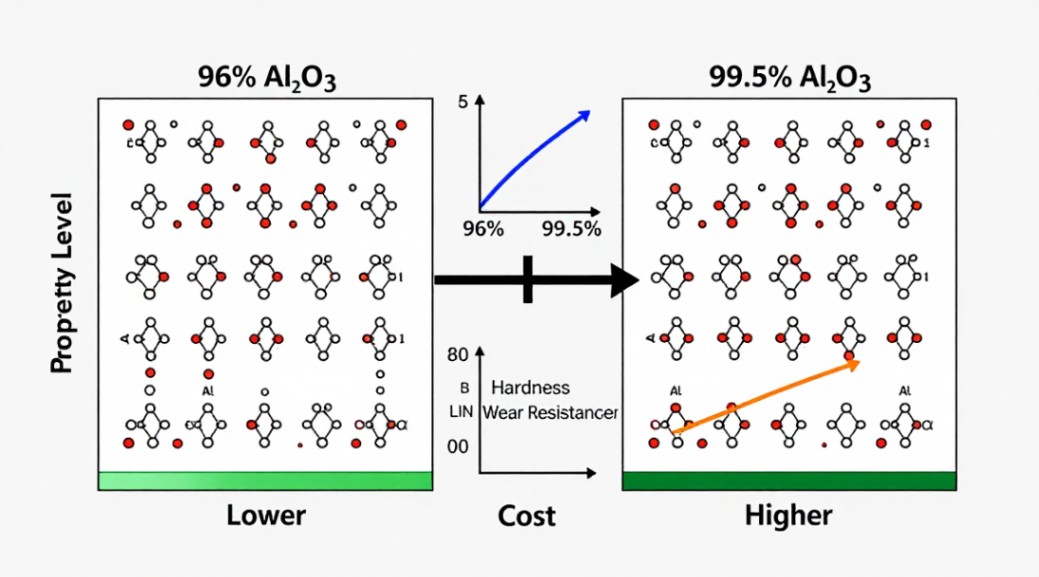
Specifications of Boron Nitride Ceramic Structural High Temperature Resistance
Specs of Boron Nitride Porcelain Structural Heat Resistance
Material Structure and Purity
This structural ceramic is made from high-purity hexagonal boron nitride (h-BN). The material contains over 99% BN by weight. It has extremely low degrees of pollutants like boron oxide, carbon, and steels. This purity makes sure steady efficiency sought after atmospheres.
Thermal Performance
The ceramic withstands constant use at temperature levels approximately 1000 ° C in air and up to 2000 ° C in inert atmospheres. It reveals marginal thermal development, which helps keep sizes and shape under fast heating or cooling. Its thermal conductivity arrays from 30 to 60 W/m · K, relying on quality and alignment.
Mechanical and Electrical Properties
Even at heats, the product maintains good mechanical stamina. Its flexural toughness is normally 80– 120 MPa. The hardness falls in between 2 and 3 on the Mohs range, making it very easy to equipment into complicated components. Electrically, it functions as an excellent insulator with a dielectric stamina above 30 kV/mm and quantity resistivity going beyond 10 ¹⁴ Ω · centimeters.
Chemical Stability
Boron nitride ceramic resists assault from a lot of molten metals, slags, and acids. It does not respond with aluminum, iron, or copper even at high warm. Nonetheless, it can oxidize slowly over 800 ° C in air, so protective ambiences are recommended for lasting use above that temperature level.
Thickness and Machinability
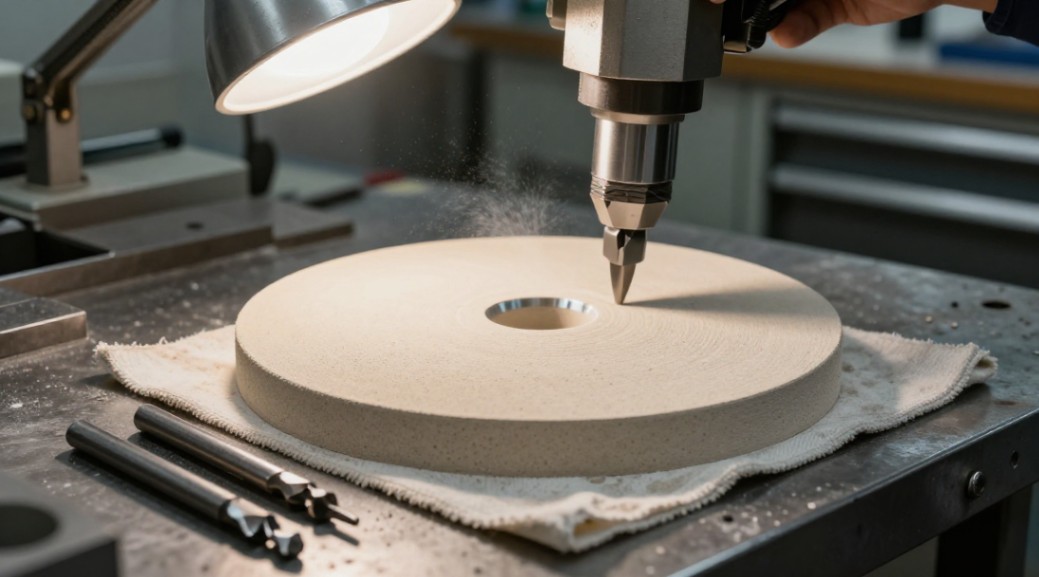
The density of this ceramic is about 2.1– 2.3 g/cm THREE. Despite being a ceramic, it equipments well with basic devices. Users can pierce, reduce, or form it without special equipment. Finished parts reveal smooth surface areas and tight resistances.
Common Applications
These homes make it optimal for crucibles, insulators, heating system components, semiconductor handling devices, and aerospace elements. It does accurately where warmth, electrical seclusion, and chemical resistance are crucial.
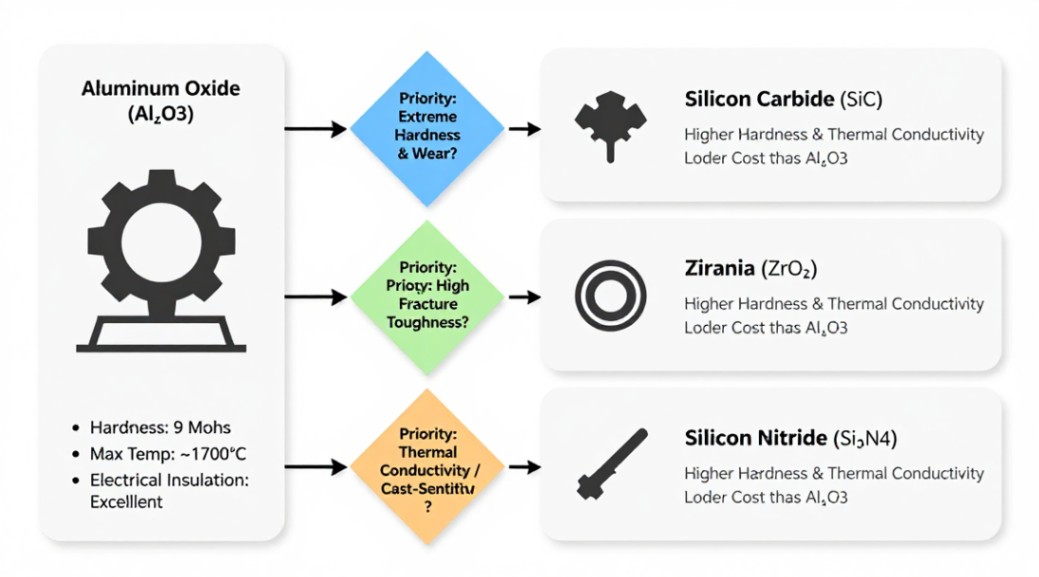
Applications of Boron Nitride Ceramic Structural High Temperature Resistance
Applications of Boron Nitride Ceramic in High-Temperature Environments
Why Boron Nitride Stands Apart
Boron nitride ceramic manages extreme heat without breaking down. It remains secure also above 2,000 ° C in inert ambiences. This makes it excellent for parts that have to function under intense thermal tension. Unlike lots of various other ceramics, it does not react easily with liquified metals or aggressive chemicals.
Trick Industrial Uses
Steel casting and processing: Boron nitride is used to line crucibles, molds, and nozzles. Its non-wetting surface area stops molten light weight aluminum, copper, and various other steels from sticking. This enhances item top quality and expands tool life.
Semiconductor production: In wafer production, boron nitride elements function as insulators and sustains inside high-temperature furnaces. They stand up to thermal shock and remain electrically protecting, which protects delicate procedures.
Aerospace and protection: Jet engines and re-entry automobiles need materials that won’t break under quick heating and cooling. Boron nitride components aid manage heat in these vital systems while keeping architectural integrity.
High-temperature lab devices: Scientist rely upon boron nitride for sample owners, thermocouple sheaths, and furnace components. It remains tidy and inert, so it doesn’t infect experiments.
Performance Advantages
This ceramic combines low thermal expansion with high thermal conductivity. That implies it warms equally and stands up to breaking. It also has exceptional electrical insulation, also when hot. These traits allow designers develop more reliable, longer-lasting systems for rough conditions. Since boron nitride is machinable prior to last firing, it can be shaped right into complicated parts that fit limited tolerances. This flexibility helps resolve difficult design issues where common materials fail.

Company Profile
Synthetic-chemical focus on the research and development, production and sales of ceramic products, serving the electronics, ceramics, chemical and other industries. Since its establishment in 2015, the company has been committed to providing customers with the best products and services, and has become a leader in the industry through continuous technological innovation and strict quality management.
Our products includes but not limited to Aluminum Nitride, Aluminum Oxide, Boron Carbide, Boron Nitride, Ceramic Crucible, ect. If you are interested in any type of these, please feel free to contact us.

Payment Methods
T/T, Western Union, Paypal, Credit Card etc.
Shipment Methods
By air, by sea, by express, as customers request.
5 FAQs of Boron Nitride Ceramic Structural High Temperature Resistance
Frequently Asked Questions About Boron Nitride Ceramic
What is boron nitride ceramic?
Boron nitride ceramic is a special material made from boron and nitrogen. It looks like graphite but has very different properties. This ceramic stays stable at high temperatures and does not react easily with other substances.
Why is it good for high-temperature use?
Boron nitride can handle heat up to 2,000°C in inert atmospheres. It keeps its shape and strength even when things get extremely hot. Unlike many metals or plastics, it will not melt, warp, or break down under intense heat.
Is it safe to use around other materials?
Yes. Boron nitride is chemically inert. That means it will not corrode or react with most acids, molten metals, or gases. This makes it safe to use next to sensitive components in furnaces, labs, or industrial equipment.
Can it conduct electricity?
No, it cannot. Boron nitride is an excellent electrical insulator. Even at high temperatures, it blocks electric current. This feature is useful in electronics and high-heat applications where insulation is critical.
How strong is boron nitride ceramic?
It is not as hard as some other ceramics like alumina, but it has good mechanical stability at high temperatures. Its real strength lies in thermal shock resistance—it won’t crack when heated or cooled quickly. This makes it reliable in changing temperature environments.
REQUEST A QUOTE
RELATED PRODUCTS
Boron Nitride Ceramic Nozzle for Powder Metallurgy High Temperature
Boron Nitride Ceramic Tube Rod Pipe
Boron Nitride Ceramic Tube Insulation
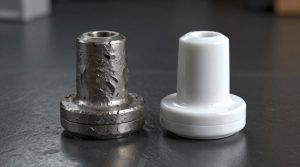
Hot Press Boron Nitride Ceramic Block High Temperature Resistance
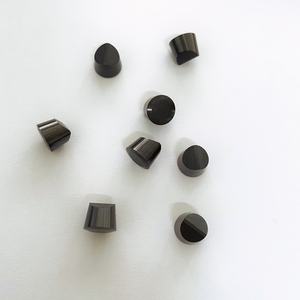
Boron Nitride Ceramic Plate High Thermal Conductivity for Electronics