Next-Generation Ceramics: Unlocking Superior Properties for Industry

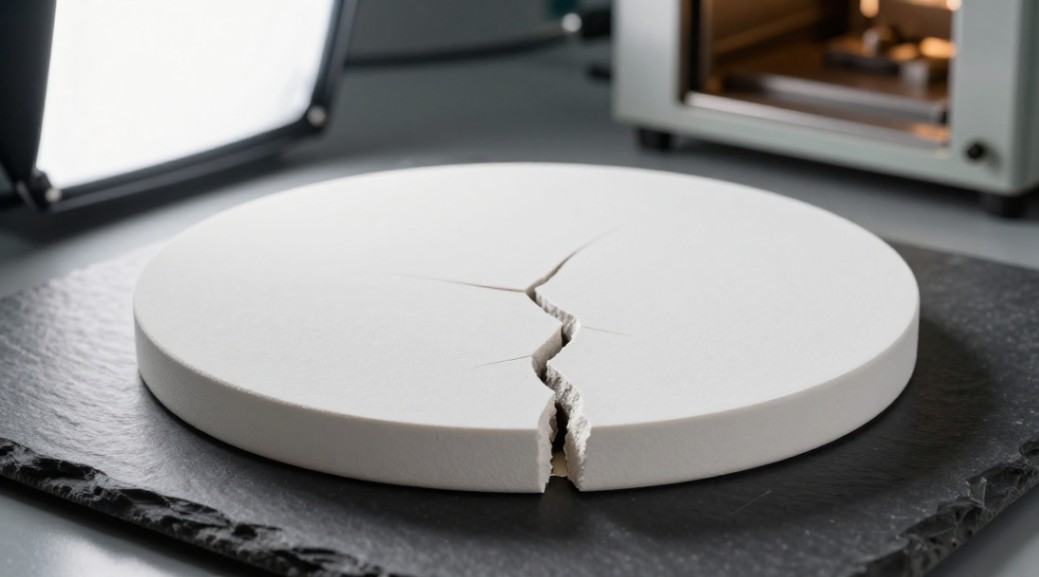
PRODUCT PARAMETERS
Description
Overview of Boron Nitride Composite Ceramic Parts
Boron Nitride (BN) exists in multiple polymorphs, with Hexagonal Boron Nitride (h-BN) being the most common ceramic form. Often called “white graphite” due to its similar layered, lubricious structure, it is distinguished by its exceptional thermal stability, electrical insulation, and chemical inertness, even at extreme temperatures.
Features of Boron Nitride Composite Ceramic Parts
- High Thermal Conductivity & Excellent Electrical Insulation: Unique combination that allows it to conduct heat like a metal but insulate like a ceramic.
- Outstanding Thermal Shock Resistance: Can be heated and cooled rapidly without cracking.
- Natural Lubricity: Exhibits low friction and anti-stick properties, even at high temperatures.
- Chemically Inert: Resists wetting by and reaction with most molten metals, slags, and glasses.
- Machinable: Unlike most advanced ceramics, h-BN in its solid form can be machined to precision tolerances using conventional carbide tooling.
Specifications of Boron Nitride Composite Ceramic Parts
Specifications of Boron Nitride Composite Porcelain Components
Material Make-up
Boron nitride composite ceramic components are made from high-purity hexagonal boron nitride (h-BN) mixed with picked ceramic binders. The regular BN material varies from 70% to 95% by weight. Ingredients like alumina or silica may be included in small amounts to boost strength or sintering behavior. All basic materials meet rigorous pureness standards to make sure constant efficiency.
Physical Qualities
These components reveal superb thermal security. They can run continually at temperature levels approximately 1,000 ° C in air and also higher in inert ambiences. Their thickness generally drops between 1.8 and 2.1 g/cm THREE. The product is light-weight yet strong enough for requiring applications. Thermal conductivity varies based on positioning yet generally stays within 30– 60 W/m · K parallel to the pressing instructions.
Mechanical Characteristics
Boron nitride composites are understood permanently machinability and low rubbing. Flexural strength generally gauges 60– 100 MPa. Hardness is moderate, which helps in reducing wear on breeding components. The components withstand thermal shock well because of low thermal growth– around 2– 4 × 10 ⁻⁶/ K from room temperature to 800 ° C.
Electric and Chemical Behavior
Electrically, these porcelains work as insulators with quantity resistivity above 10 ¹⁴ Ω · cm at room temperature. They remain secure throughout a broad temperature array. Chemically, they withstand attack from the majority of molten metals, slags, and acids. They do not react with aluminum, zinc, or several other non-ferrous metals, making them perfect for crucibles and dealing with tools.
Dimensional Tolerances
Conventional components hold tolerances of ± 0.1 mm. Tighter resistances down to ± 0.02 mm are feasible with precision grinding. Surface area finishes as smooth as Ra 0.8 µm can be achieved when called for. Customized shapes and sizes are available based upon client illustrations.
Applications of Boron Nitride Composite Ceramic Parts
Applications of Boron Nitride Compound Ceramic Components
High-Temperature Efficiency in Demanding Settings
Boron nitride composite ceramics handle extreme heat without shedding toughness. These components stay steady even over 1,000 ° C. That makes them ideal for heater elements, crucibles, and insulation guards made use of in metal spreading and glass production. They do not react with molten steels or slags, which helps maintain procedures tidy and effective.
Electric Insulation with Thermal Conductivity
These ceramics shield power well but still relocate warmth promptly. This unusual mix is ideal for electronic devices that should stay amazing while running high power. You’ll find them in warm sinks, substrates for power modules, and protecting spacers inside semiconductor devices. Their efficiency stays stable throughout vast temperature level ranges.
Non-Wetting and Chemically Inert Surfaces
Molten products like aluminum or glass do not stay with boron nitride surfaces. This non-wetting residential property lowers contamination and eases component removal in assembly line. The product likewise withstands assault from acids, antacid, and various other rough chemicals. As a result of this, it’s used in laboratory ware, nozzles, and linings where purity issues.
Precision Elements for Aerospace and Defense
Light-weight yet solid, boron nitride composites offer in radar windows, rocket nose cones, and thermal security systems. They allow electro-magnetic signals travel through plainly while securing interior components from extreme warmth during trip. Their reliability under stress makes them relied on important aerospace roles.
Smooth Operation in Mechanical Systems
Many thanks to their self-lubricating nature, these ceramics lower rubbing without oil or grease. Bearings, seals, and overviews made from them function efficiently in vacuum or high-temperature settings where standard lubricating substances fail. This function extends life span and cuts maintenance requires in commercial machinery.

Company Profile
Synthetic-chemical focus on the research and development, production and sales of ceramic products, serving the electronics, ceramics, chemical and other industries. Since its establishment in 2015, the company has been committed to providing customers with the best products and services, and has become a leader in the industry through continuous technological innovation and strict quality management.
Our products includes but not limited to Aluminum Nitride, Aluminum Oxide, Boron Carbide, Boron Nitride, Ceramic Crucible, ect. If you are interested in any type of these, please feel free to contact us.

Payment Methods
T/T, Western Union, Paypal, Credit Card etc.
Shipment Methods
By air, by sea, by express, as customers request.
5 FAQs of Boron Nitride Composite Ceramic Parts
Frequently Asked Questions About Boron Nitride Composite Ceramic Parts
What are boron nitride composite ceramic parts?
These parts are made from a mix of boron nitride and other ceramic materials. The combination gives them strong heat resistance, good electrical insulation, and low friction. They keep their shape and performance even under high temperatures or harsh conditions.
Where are these parts used?
You’ll find them in industries like aerospace, electronics, metallurgy, and semiconductor manufacturing. They work well as insulators, crucibles, nozzles, and support fixtures where regular metals or plastics would fail.
Why choose boron nitride composites over other ceramics?
Boron nitride stands out because it handles heat without cracking and doesn’t conduct electricity. It also resists chemical attack and won’t stick to molten metals. These traits make it more reliable than many standard ceramics in demanding applications.
Can these parts be customized?
Yes. Manufacturers can shape them into complex forms using machining or molding methods. You can get parts in different sizes, densities, and grades based on your specific needs—whether you need high purity, better strength, or smoother surfaces.
How long do boron nitride composite parts last?
Their lifespan depends on the operating environment. In stable, high-heat settings with little mechanical stress, they can last for years. Even under repeated thermal cycling, they show less wear than most alternatives. Proper handling and installation help extend their service life.
REQUEST A QUOTE
RELATED PRODUCTS
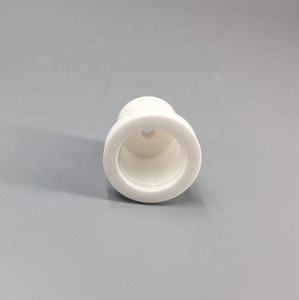
Boron Nitride Ceramic Electrical Insulator for High Temperatures
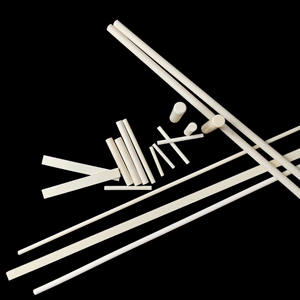
Boron Nitride Ceramic Parts Low Thermal Expansion
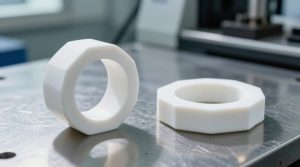
Boron Nitride Insulator Hot Press Ceramic Machinable
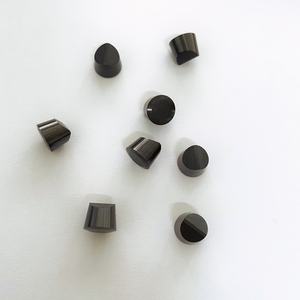
High Quality Boron Nitride Ceramics Good Thermal Conductivity Machinability
Hot Pressed High Thermal Conductive Boron Nitride Ceramic Sheet